




The Shift Away from Sugar
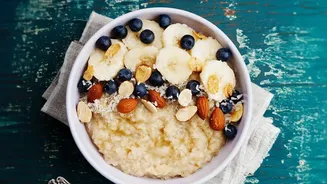
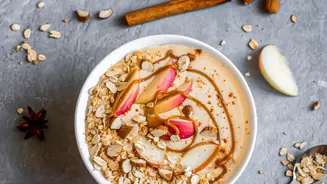
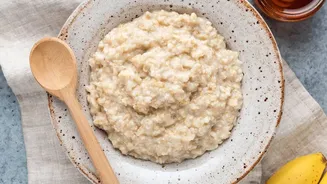
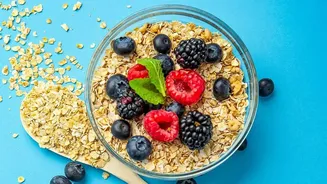
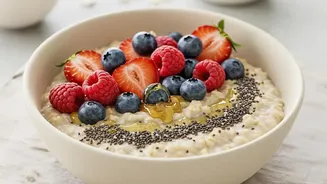
For years, the conventional wisdom for a 'healthy' breakfast centred on low-fat, often carbohydrate-heavy options. Oats, celebrated for their fibre content, fit perfectly into this model, but were typically prepared with milk, honey, fruits, or sugar.
However, the modern understanding of nutrition has evolved. Health experts and informed eaters now recognise the downside of starting the day with a sugar rush. A sweet breakfast can cause a rapid spike in blood sugar, followed by an inevitable crash a few hours later, leading to fatigue, irritability, and cravings for more sugar. This cycle can hinder fitness goals, from weight management to sustained energy for workouts. In response, a pivot towards savoury breakfasts is gaining momentum, designed to provide steady energy and keep you feeling full and focused for hours.
The Nutritional Power of Savoury
So, what makes a savoury bowl of oats a superior choice for the fitness-minded? The primary advantage lies in blood sugar control. By eliminating added sugars, you avoid the insulin spike that can lead to fat storage. Instead of honey or bananas, a savoury bowl is built around protein, healthy fats, and complex carbohydrates. This powerful combination slows down the absorption of glucose, ensuring a gradual release of energy. Nutritionists note that a protein-rich breakfast helps increase satiety, meaning you feel fuller for longer, which can reduce overall calorie intake throughout the day. This makes savoury oats an excellent tool for anyone focused on weight loss or muscle development. Furthermore, it opens the door to adding a wider variety of nutrient-dense ingredients like vegetables, lentils, and seeds.
The Magic of Local Masalas
This trend isn't just about cutting sugar; it's about embracing flavour. The 'Indianisation' of oats has transformed a once-bland health food into a culinary delight that resonates with local palates. The concept is similar to a comforting bowl of upma or khichdi, but with the fibre-rich benefits of oats. The process often starts with a classic tadka: heating oil or ghee and spluttering cumin seeds, mustard seeds, and curry leaves. Onions, ginger, and garlic form the aromatic base, followed by a medley of spices. Turmeric, known for its anti-inflammatory properties, adds a golden hue, while coriander and cumin powders provide earthy depth. A pinch of garam masala or a specific blend like pav bhaji masala can lend a complex, restaurant-style flavour, making breakfast something to truly look forward to.
Building a Complete Meal
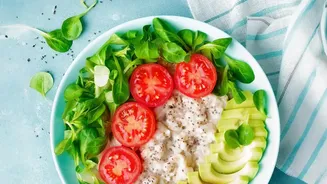
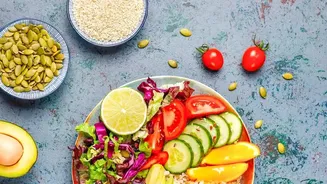
Masala oats are incredibly versatile and can be easily customized to become a complete, balanced meal. The addition of finely chopped vegetables like carrots, peas, bell peppers, and tomatoes not only adds colour and texture but also boosts the vitamin and mineral content. To increase the protein, one can stir in cooked lentils or top the bowl with a handful of nuts and seeds for extra crunch and healthy fats. Some even enjoy it with a boiled egg on the side or a dollop of plain yogurt for creaminess and probiotics. A final squeeze of lime juice and a garnish of fresh coriander leaves brightens the entire dish, making it as appealing to the eye as it is to the palate. This adaptability allows each person to create a bowl tailored to their specific dietary needs and flavour preferences.