



A Return to Roots
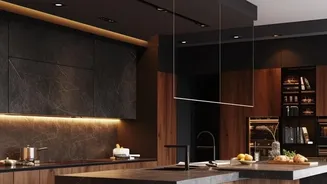
For years, modern Indian interior design often looked outwards for inspiration. Today, the focus is shifting inward. Homeowners and designers are increasingly celebrating a new aesthetic that is deeply rooted in Indian culture yet feels entirely contemporary.
This isn't about creating museum-like traditional spaces but about thoughtfully integrating handcrafted pieces that tell a story. It’s a move away from the perfectly polished but impersonal feel of factory-made goods toward items that possess soul and character. This trend reflects a growing consciousness among consumers who want their homes to be a sanctuary and a reflection of their values, prioritising mindfulness and authenticity.
Innovation Meets Tradition
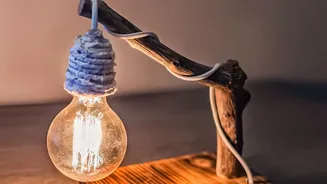
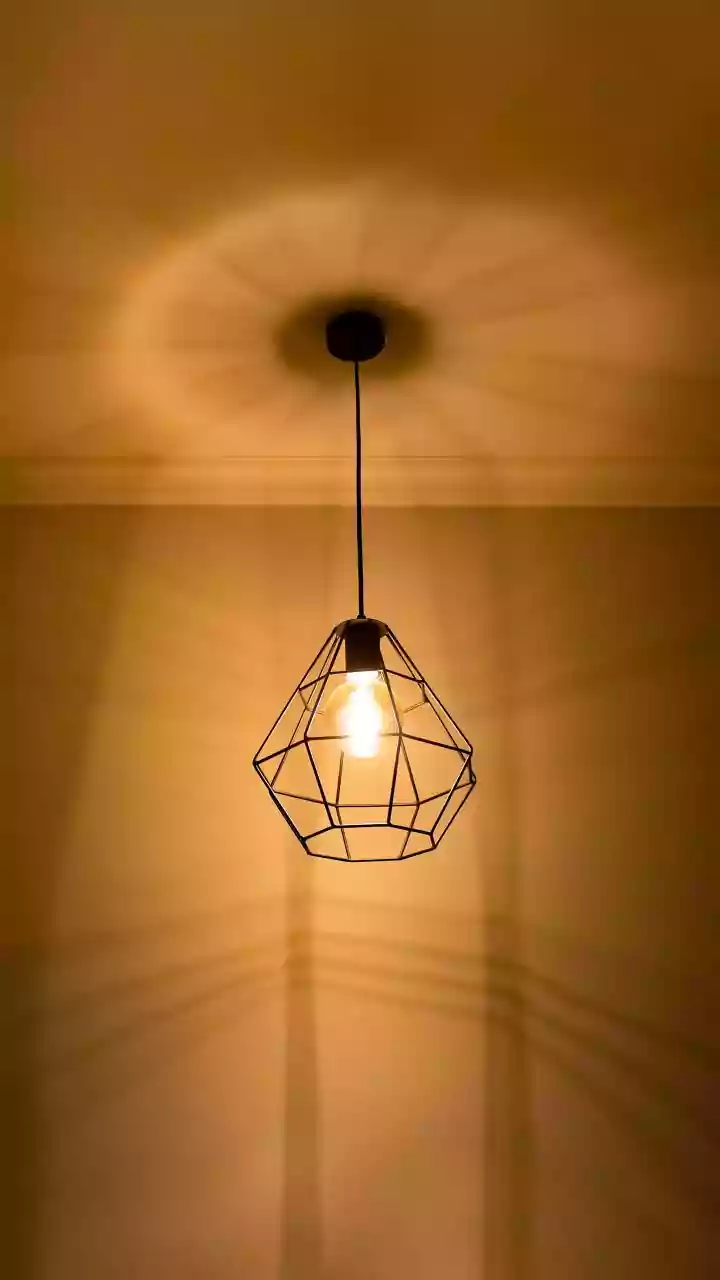
The artisans driving this change are not merely replicating ancestral patterns; they are innovators. In collaboration with a new wave of designers and design-led brands, they are reimagining age-old techniques for modern living. For example, the Channapatna craft from Karnataka, once known primarily for toys, now finds expression in contemporary lighting and furniture. Similarly, the lost-wax casting technique of Dhokra from Bastar is being used to create sculptural objects and decor that feel both ancient and modern. Artisans themselves often suggest new ways to use materials, making it a collaborative process that ensures both craft preservation and design evolution. This fusion allows lesser-known crafts like Tarkashi (metal inlay) and Sanjhi (paper stenciling) to find a new, wider audience.
The Rise of the Conscious Consumer
This movement is propelled by a consumer who is more discerning and value-driven than ever before. The decision to buy a handcrafted item is often a conscious one, rooted in a desire for sustainability and ethical production. Supporting local artisans means investing in fair wages, preserving cultural heritage, and reducing the carbon footprint associated with mass production. Many of these crafts use locally sourced, natural, and biodegradable materials like bamboo, clay, reclaimed wood, and natural fibres, appealing to an eco-conscious generation. In a world of 'fast decor', these slow-made objects offer a sense of permanence and connection, grounding a space with their inherent mindfulness.
From Textiles to Terracotta
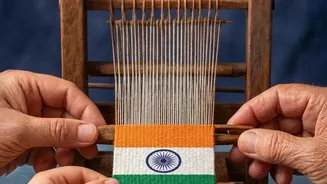
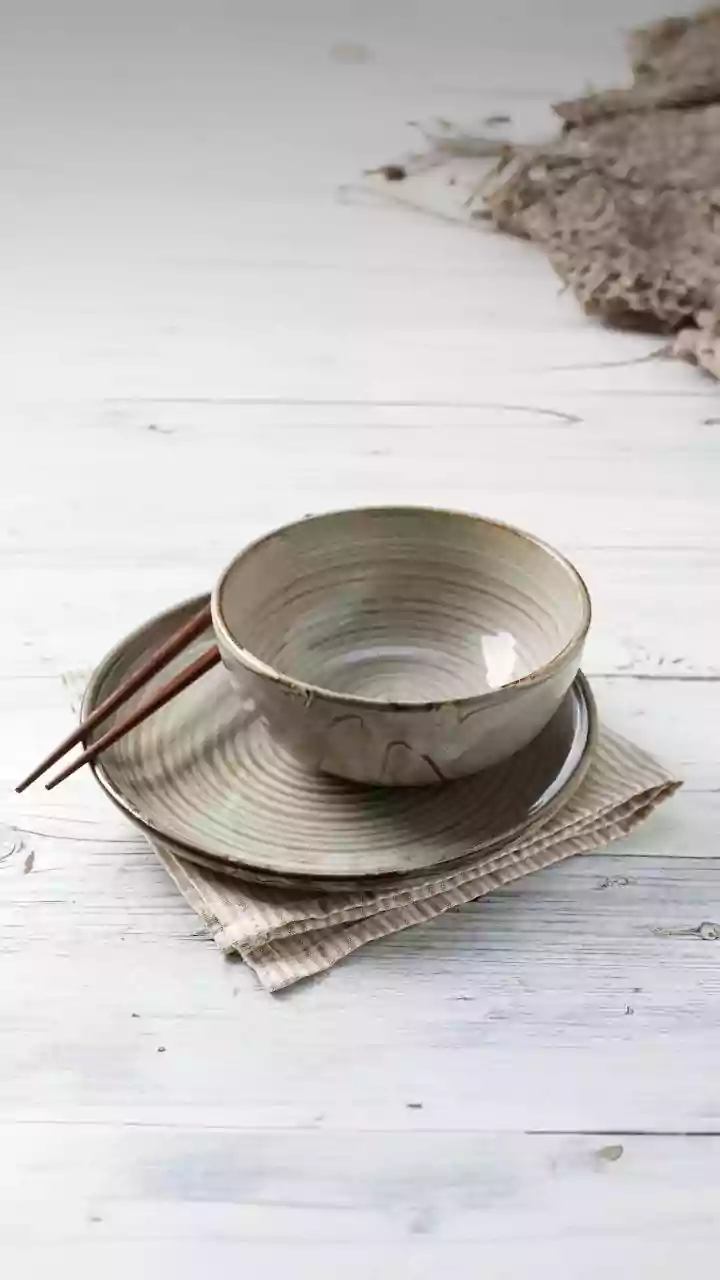
The versatility of Indian handicrafts allows them to be incorporated into any decor style, from minimalist to bohemian. Hand-block printed textiles from Rajasthan, with their vibrant patterns, are finding new life as cushion covers, throws, and even wallpaper. Earthy terracotta and pottery, once purely functional, are now celebrated as decorative accents that bring warmth to modern interiors. In the Northeast, the weaving of sitalpati reeds and bamboo, traditionally used for mats, is being adapted for contemporary lampshades, baskets, and screens. Metal crafts, such as brass accents and intricately carved wooden pieces, add a layer of timeless elegance and heritage to a room.
Building Bridges to the Market
The success of this revival depends on bridging the gap between rural artisans and urban markets. A growing ecosystem of design studios, e-commerce platforms, and lifestyle brands is playing a crucial role. Brands like Okhai, Jaypore, and Gulmohar Lane work directly with artisans, ensuring they receive fair compensation while helping them adapt their skills to contemporary tastes. These platforms not only provide a marketplace but also handle the logistics of getting these unique products to a global audience. By championing these creators, they ensure that the stories, skills, and cultural legacy embedded in each piece continue to thrive for generations to come.