

Why Monsoon Moisture is a Problem
The high humidity and constant dampness of the monsoon season create a perfect breeding ground for fungi, particularly yeast like Malassezia. This fungus naturally lives on your dog's skin, but when trapped moisture and warmth are added to the mix—especially
in the cozy crevices between paw pads—it can multiply uncontrollably. This overgrowth leads to irritation, inflammation, and infection, turning your dog's post-walk contentment into discomfort. Puddles and wet streets can also harbour bacteria and other contaminants, making paw hygiene after every walk crucial.
The Post-Walk Paw Care Protocol
Consistency is the most effective way to prevent infections. Adopting a simple, three-step routine after every single damp walk can make all the difference. 1. Clean Gently: Start by wiping away visible mud and debris with a soft cloth or pet-safe grooming wipe. For very muddy paws, a rinse with lukewarm water is best. You can use a mild, dog-safe shampoo, but be sure to rinse it off completely as leftover soap can cause irritation. Focus on getting into the spaces between the toes and pads where dirt loves to hide. 2. Dry Thoroughly: This is the most critical step. Trapped moisture is the primary cause of fungal growth. Use a clean, absorbent towel and pat each paw dry—don't rub, as this can irritate the skin. Pay special attention to drying the areas between each toe. For long-haired breeds, a pet-safe dryer on a cool, low setting can help ensure the undercoat is completely dry. 3. Inspect Closely: Once the paws are clean and dry, take a moment for a quick inspection. Gently spread the toes and look for redness, swelling, small cuts, or any foreign objects like pebbles or thorns. This daily check helps you catch potential problems before they escalate.
Helpful Tools for Paw Protection
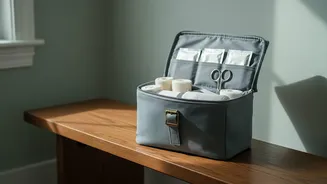
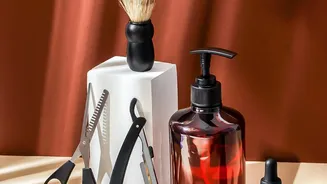
Having the right supplies on hand makes the daily routine much easier. Keep a dedicated, highly absorbent microfiber towel by the door. Pet-safe grooming wipes are excellent for quick clean-ups on less muddy days. For dogs with long fur around their feet, keeping the hair between the paw pads trimmed short can improve air circulation and make drying faster and more effective. If your dog's pads seem dry, a dog-specific paw balm can help restore moisture and provide a protective barrier, but apply it only after the paws are completely dry.
Warning Signs of a Fungal Infection
Even with diligent care, infections can sometimes occur. Knowing the signs helps you act fast. Be on the lookout for persistent licking, chewing, or biting of the paws, which is often the first symptom of irritation. Visually inspect the paws for redness and swelling, especially between the toes. You might also notice a musty or unpleasant odour, sometimes described as smelling like corn chips. Other signs include a brownish discharge, greasy build-up, or changes in the skin's texture, such as becoming flaky, thick, or dark. Your dog may also show sensitivity, limping, or reluctance to walk.
When to See Your Veterinarian
While good hygiene can prevent many issues, some situations require professional medical attention. You should contact your vet if you notice any signs of infection that don't improve within a day or two, or if they seem to be getting worse. If your dog is in obvious pain, limping, or refusing to put weight on a paw, it's time for a check-up. Recurring infections are also a red flag, as they could signal an underlying issue like allergies or an immune system problem that needs to be addressed. A veterinarian can accurately diagnose the problem, often with a simple skin scrape, and prescribe effective antifungal treatments like medicated wipes, creams, or oral medication.