




The Comfort of a Tiffin Box
More than just a dish, lemon rice is a feeling. For millions, it’s the taste of childhood packed into a steel tiffin box, the familiar flavour on a long train journey, or the comforting prasad at a temple. In a world saturated with complex food trends
and fleeting fads, the uncomplicated goodness of lemon rice feels like a warm, reassuring hug. Its resurgence is deeply tied to this nostalgia. During periods of uncertainty, we often gravitate towards foods that evoke safety and happy memories. Lemon rice, or Chitranna as it's known in Karnataka, became a go-to comfort meal for many, a sensory time capsule that instantly transports us back to simpler, sunnier days. It’s not just about feeding the body; it’s about nourishing the soul with a taste of home.
The Ultimate 15-Minute Meal
In our fast-paced modern lives, convenience is king. Lemon rice has always been the unsung hero of quick-and-easy meals, and its practicality is more relevant than ever. With busy work-from-home schedules and the daily juggle of responsibilities, a delicious and satisfying dish that can be whipped up in under 15 minutes is a true lifesaver. The best part? It’s the original 'waste-not' recipe, designed to transform leftover rice into a spectacular new meal. It requires only a handful of pantry staples—mustard seeds, curry leaves, turmeric, and, of course, a lemon. This inherent simplicity and resourcefulness make it the perfect solution for a speedy lunch, a light dinner, or a packed meal for the next day, proving that great food doesn't have to be time-consuming.
A Celebration of Simplicity
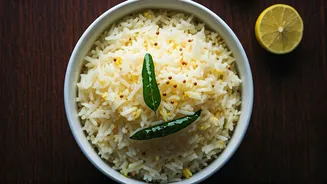
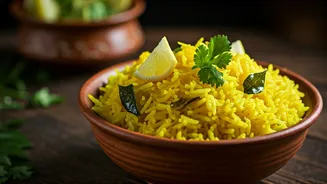
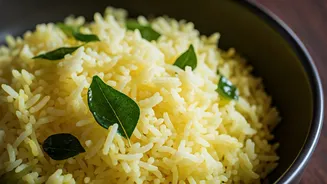
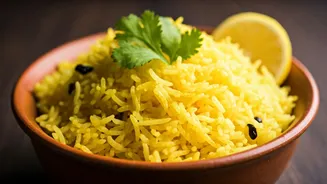
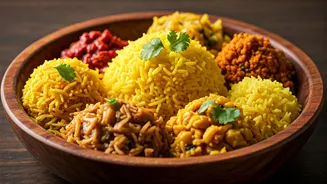
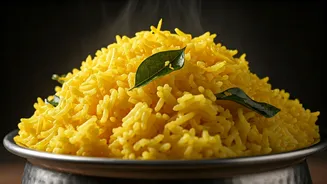
After years of chasing intricate recipes, exotic ingredients, and multi-layered international cuisines, there is a palpable shift back towards the elegance of simplicity. Lemon rice is the poster child for this 'less is more' philosophy. It's a masterclass in flavour balance, proving that you don’t need a long list of ingredients to create something truly delicious. Each component gets its moment to shine: the bright, acidic tang of the lemon, the earthy warmth of turmeric that gives it that iconic yellow hue, the sharp pop of mustard seeds, and the distinct aroma of fried curry leaves. It’s a harmonious dish where the whole is greater than the sum of its parts. This renewed appreciation for minimalism in the kitchen has put the spotlight back on humble classics that prioritise flavour over fuss.
The Social Media Glow-Up
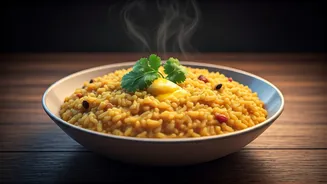
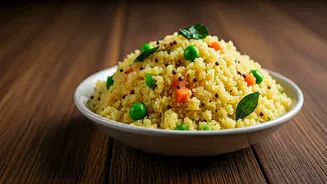
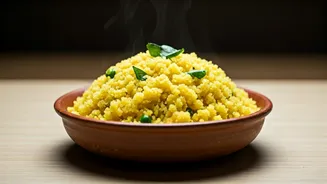
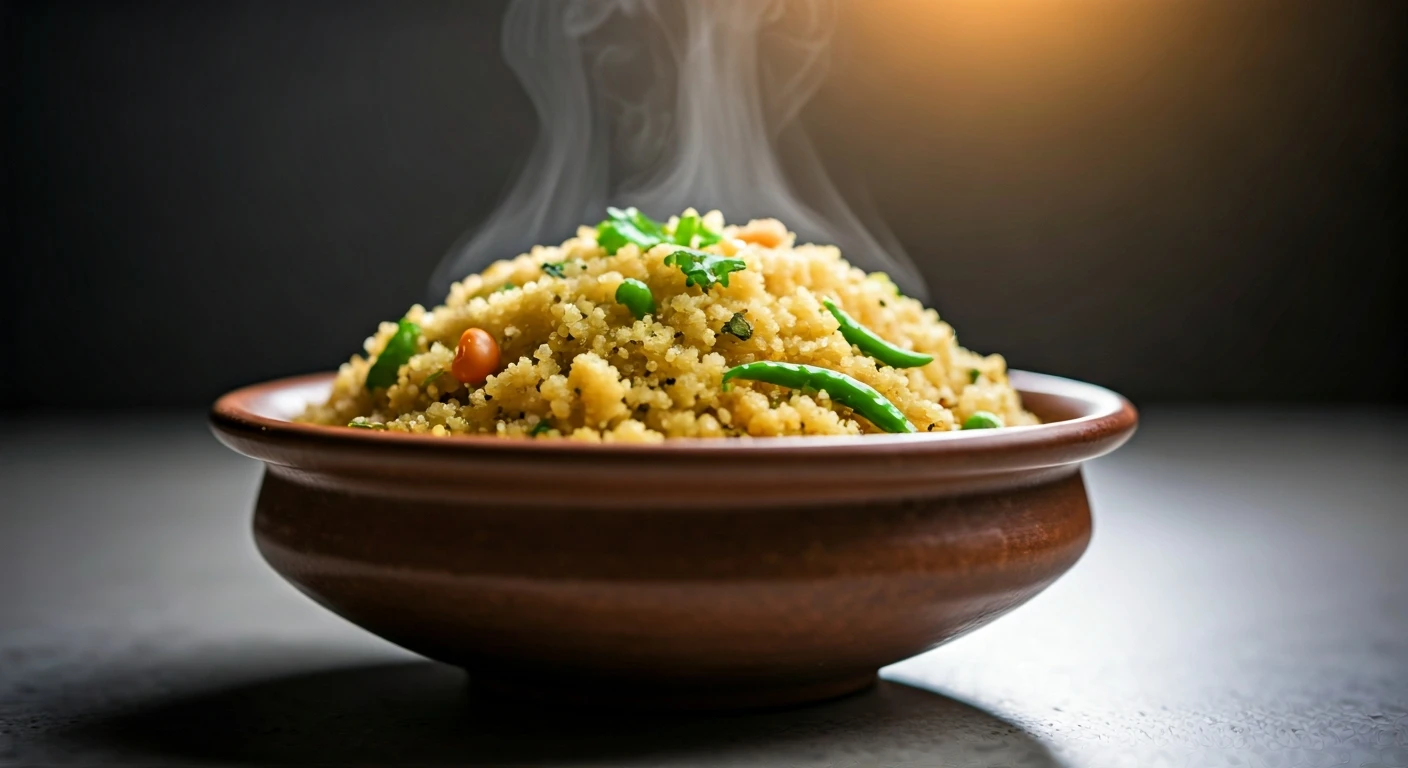
Let’s be honest: we eat with our eyes first. Lemon rice, with its vibrant, cheerful yellow colour, is incredibly photogenic, making it a natural star on platforms like Instagram. Once confined to our lunchboxes, the dish is now experiencing a major “glow-up” online. Food bloggers and home cooks are showcasing it in stunning flat lays, garnished with fresh coriander, glistening pomegranate seeds, or crunchy sev, giving it a modern, aspirational appeal. Satisfying video Reels showing the sizzle of the tadka and the final mixing process have gone viral, introducing the dish to a new, younger generation. It’s no longer just a humble staple; in the visual world of social media, lemon rice is an aesthetic, vibrant meal that looks as good as it tastes.
A Return to Regional Roots
The newfound love for lemon rice is also part of a larger, more significant movement: the celebration of regional Indian cuisine. Food lovers across the country are becoming more curious about the authentic, hyper-local dishes that define India's diverse culinary landscape. Instead of being lumped under the broad, generic category of “South Indian food,” dishes like lemon rice are being appreciated for their specific cultural context and regional variations—from Karnataka’s Chitranna to Andhra’s Nimmakaya Pulihora. This focus on culinary heritage elevates it from a simple, everyday meal to a proud representation of a region’s food identity. We are no longer just eating lemon rice; we are connecting with a piece of our rich, collective food history.