



A New Kind of Satellite for India
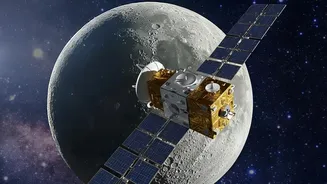
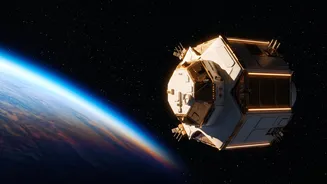
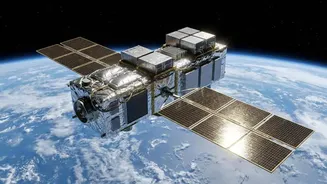
On October 1, 2026, a satellite named MOI-1A is scheduled to launch into orbit, not on an Indian rocket, but aboard a SpaceX Falcon 9. Developed by the Hyderabad-based startup TakeMe2Space, this spacecraft is being called India's first orbital computing
satellite. Unlike traditional satellites that simply capture vast amounts of data and beam it all back to Earth, MOI-1A is designed to process that information right in space using powerful onboard AI. Weighing less than 50 kilograms, it is a compact but powerful example of edge computing, equipped with Nvidia's Orin NX processors to run complex AI models far above the planet's surface. This mission follows a previous test satellite, MOI-TD, which validated the concept of running AI applications in orbit.
Why Put a Brain in Orbit?
Conventional satellites are like digital cameras in the sky; they take pictures and record data, then send massive raw files to ground stations for analysis. This process can be slow and incredibly data-intensive, clogging up valuable bandwidth. Much of the collected data can also be useless, for example, images obscured by heavy cloud cover. The MOI-1A satellite flips this model on its head. By using onboard AI, it can analyse images and data as they are collected. It can be programmed to identify specific features—like floods, wildfires, or even changes in crop health—and discard irrelevant information. Instead of sending terabytes of raw imagery, it sends back the finished analysis or the key insights, dramatically reducing the amount of data transmitted and the time it takes to get actionable intelligence.
Smarter, Faster, More Efficient
The practical benefits of this technology are immense. For disaster management, an AI satellite can detect the outbreak of a forest fire or the extent of flooding and send targeted alerts to emergency responders within minutes, not hours. This could significantly improve response times and save lives. In agriculture, it can provide farmers with near-real-time data on crop health and soil conditions. The startup already has 23 customers lined up, from mapping companies and educational institutions to businesses in mining, insurance, and supply chain logistics. This approach allows customers to upload their own AI models to the satellite to perform specialised tasks as it passes over their areas of interest, making it a flexible platform for a wide range of applications.
A Stepping Stone for Indian Space Tech
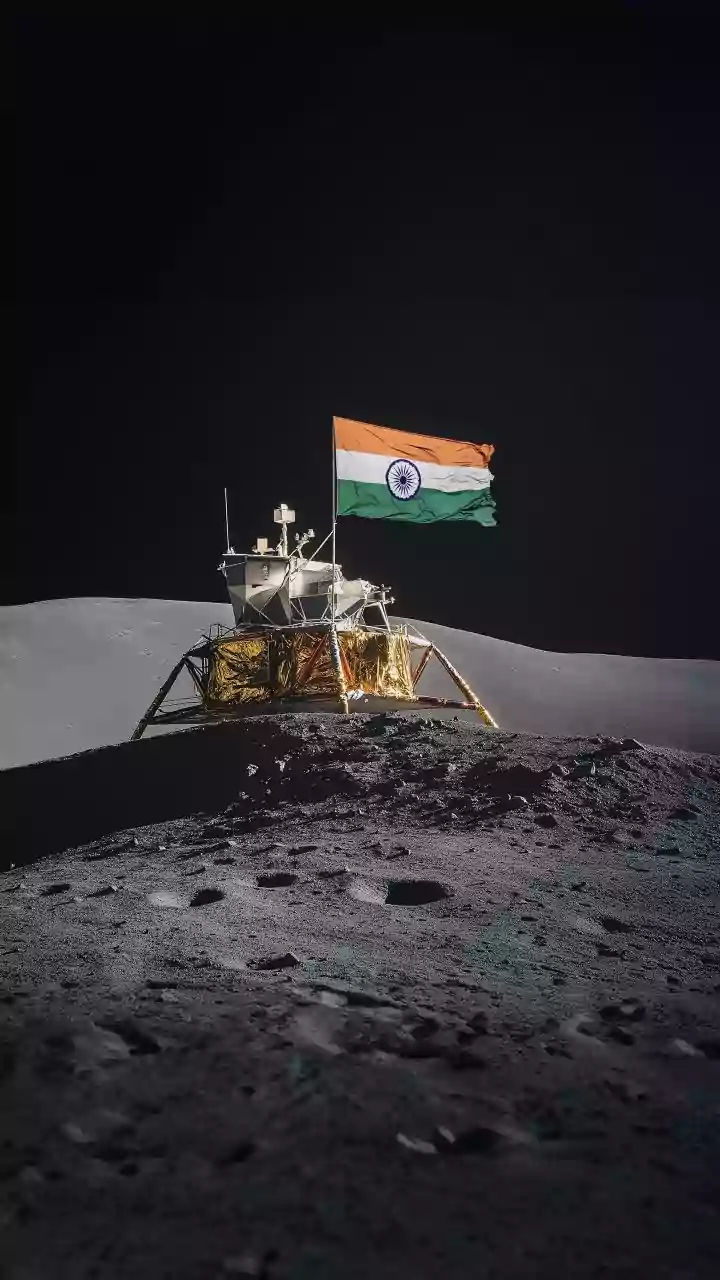
While ISRO has previously used AI in its missions, such as with the Pragyan rover on the Chandrayaan missions for navigation, MOI-1A represents a significant step for the private space sector in India. This mission by TakeMe2Space, though launched on a SpaceX rocket after an earlier version was lost in a domestic launch failure, showcases India's growing capabilities in building sophisticated space hardware and software. The company designs and manufactures most of its components in India, demonstrating the strength of the local ecosystem. Experts believe that AI will be crucial for India's future space ambitions, including the Gaganyaan human spaceflight mission and deep-space exploration, where communication delays make autonomous decision-making essential.
The Future is Autonomous
The launch of MOI-1A is part of a global trend toward making spacecraft smarter and more autonomous. Satellites that can think for themselves can react to events in real-time, collaborate with other satellites in a constellation, and even perform self-maintenance to extend their operational life. TakeMe2Space itself plans to develop larger, networked satellites from 2027 onwards, creating an orbital computing network. This first commercial AI satellite is more than just a new piece of hardware in the sky; it is a foundational step toward a future where intelligent, autonomous systems will explore the cosmos, manage resources on Earth, and push the boundaries of what is possible in space exploration.