


The Hidden Hunger in Our Blood
Fatigue, weakness, shortness of breath, and pale skin are all too common, often dismissed as signs of a busy life. But for millions in India, they are symptoms of iron deficiency anaemia, a condition that remains a significant public health concern. National
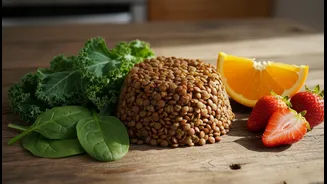
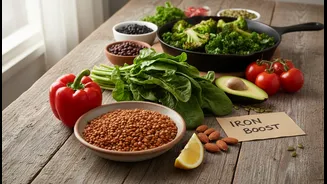
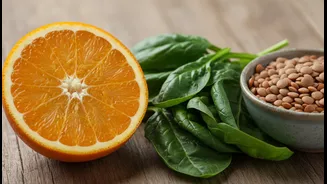
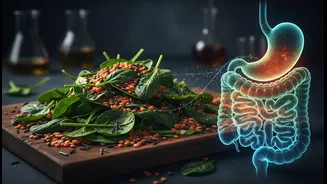
surveys show that anaemia affects a staggering percentage of the population, particularly women and children. A large part of the Indian diet is plant-based, relying on staples like lentils (dal), legumes, whole grains, and vegetables. While these foods are rich in many nutrients, the type of iron they contain, known as non-heme iron, is notoriously difficult for our bodies to absorb. This means that even if your plate is full of iron-rich vegetarian food, you might not be getting the full benefit.
Heme vs. Non-Heme: Not All Iron Is Equal
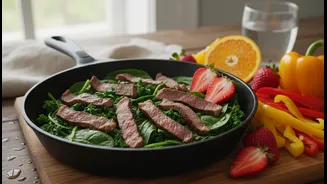
Dietary iron comes in two forms: heme and non-heme. Heme iron, found in animal products like meat, poultry, and fish, is highly bioavailable, meaning our bodies can absorb it very efficiently—up to 40% in some cases. Non-heme iron, which comes from plant sources like spinach, dal, chickpeas, and seeds, is far less available for absorption, with rates as low as 2-20%. The reason for this difference lies in its chemical structure and the presence of other compounds in plant foods called inhibitors. Phytates (in grains and legumes) and polyphenols (in tea and coffee) bind to non-heme iron, preventing it from being absorbed in the gut. This is where a powerful ally, found in many common foods, comes into play.
Vitamin C: The Key That Unlocks Iron
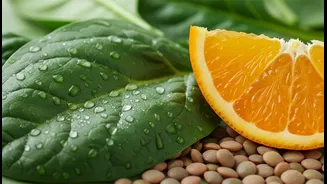
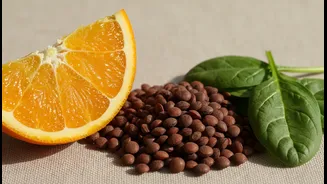
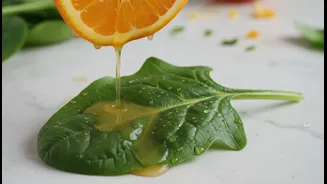
Vitamin C, or ascorbic acid, is a game-changer for iron absorption. When consumed in the same meal, it works its magic in two primary ways. First, it converts the plant-based iron (ferric, Fe3+) into a different form (ferrous, Fe2+) that is much easier for your intestinal cells to absorb. Second, it forms a protective, soluble compound with the iron. This action prevents inhibitors like phytates from locking the iron away, keeping it available for your body to use. Studies have shown that adding even a moderate amount of Vitamin C to a meal can increase non-heme iron absorption significantly, sometimes by several times. This simple scientific trick can transform your everyday meals into powerhouses of nutrition.
Your Daily Guide to Smart Pairings
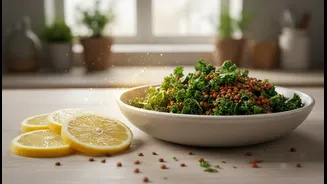
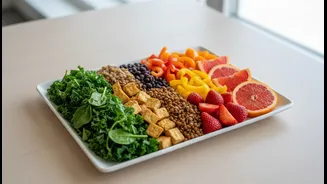
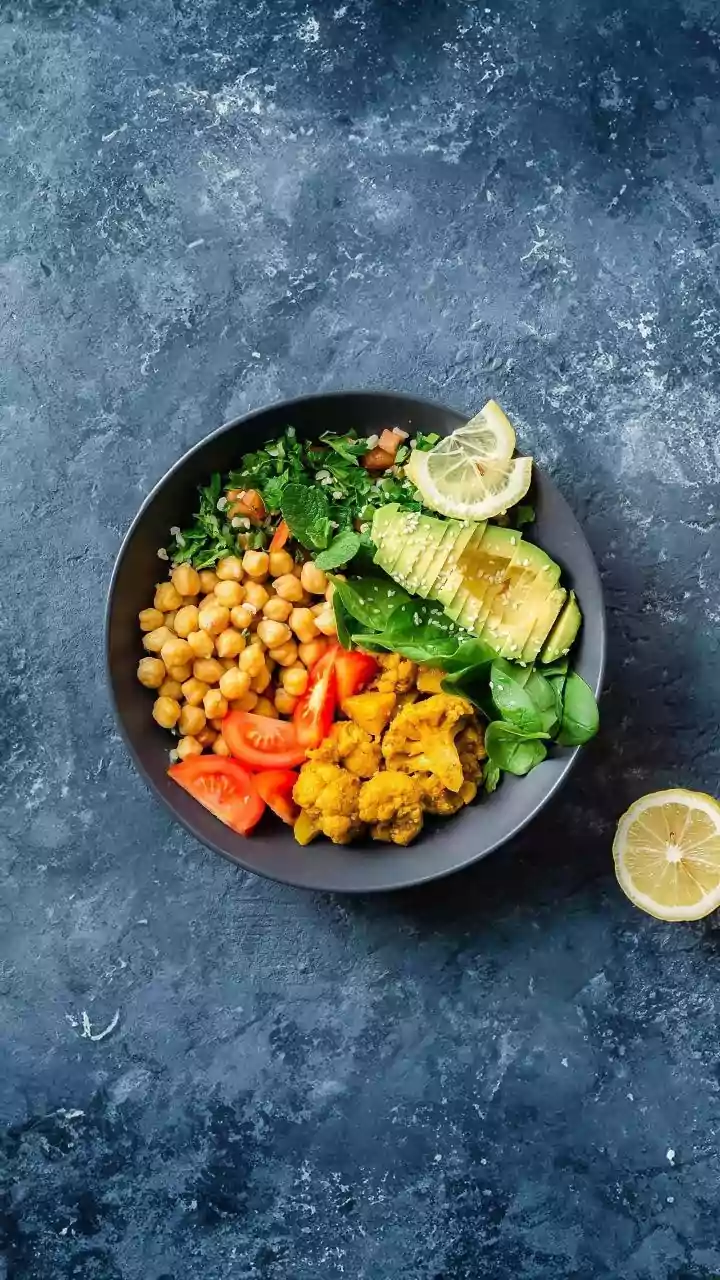
Integrating this knowledge into your Indian diet is simple and delicious. The goal is to combine an iron-rich plant food with a Vitamin C-rich food in the same meal. Many of these pairings are already a natural part of our cuisine. A squeeze of lemon over your bowl of dal or palak sabzi is one of the easiest and most effective methods. The citric acid does more than just add flavour; it boosts the iron uptake from the lentils and spinach. Adding tomatoes to dishes like rajma, chana masala, or vegetable curries is another excellent strategy, as tomatoes are a good source of Vitamin C. For a post-meal boost, consider eating a guava or amla (Indian gooseberry), both of which are exceptionally high in Vitamin C—even more so than oranges. Other great sources include capsicum (bell peppers), cauliflower, moringa leaves, and green chillies.
What to Keep Separate From Your Meal
Just as some foods help, others hinder. The main culprits that block iron absorption are the tannins and polyphenols found in tea and coffee. Having your daily cup of chai or coffee right after an iron-rich meal can reduce iron absorption by up to 60-90%. It is best to wait at least an hour or two after your meal before enjoying these beverages. Calcium is another inhibitor that can interfere with the absorption of both heme and non-heme iron. While essential for bone health, it is wise to avoid consuming dairy products like milk, yoghurt, or paneer at the exact same time as your main iron-focused meal if deficiency is a concern.