


The Rise of Root-to-Leaf Cooking
A new wave of culinary creativity is sweeping across Indian social media feeds. Under hashtags like #zerowastecooking and #scrapcooking, home cooks and professional chefs are showcasing stunning dishes made from ingredients typically destined for the
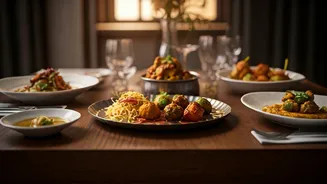
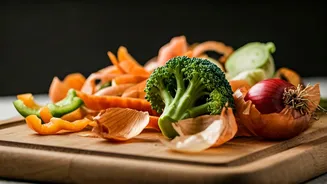
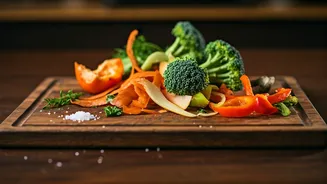
bin. We’re talking about flavourful curries from banana peels, crispy snacks from potato skins, and savoury stir-fries using cauliflower stems and leaves. This isn’t about leftovers; it’s about 'pre-waste'—seeing value in every part of a plant, from root to leaf. Food influencers are turning humble peels and stalks into photogenic meals, challenging the conventional notions of what is edible and desirable. This visual-first approach has transformed a practical, age-old habit into a modern, aspirational lifestyle choice.
Not a Trend, But a Tradition Reborn
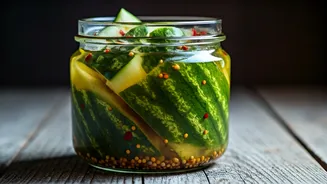
While the presentation may be new, the philosophy is deeply rooted in Indian culture. For generations, our grandmothers and mothers practiced a form of culinary frugality born from respect for food and resources. Nothing was wasted. Watermelon rinds were turned into tangy pickles or sabzis. The tough outer leaves of cabbage found their way into soups and stocks. Bottle gourd peels (*lauki ke chhilke*) were transformed into delicious chutneys or crispy fritters. This wasn't called 'zero waste'; it was just how things were done. The viral trend, therefore, isn't an invention but a rediscovery. It’s the digital generation repackaging ancestral wisdom for a new audience, giving it a trendy name and a global platform.
Creative Dishes from the Scrap Bin
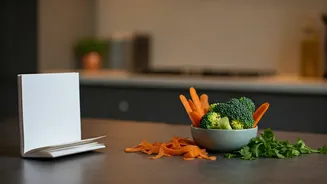
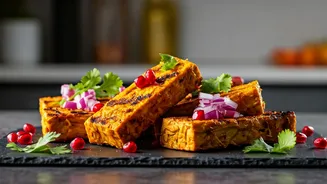
Curious about what these scrap meals actually look like? The creativity is boundless. One popular recipe is crispy, spiced potato peels, baked or air-fried to perfection, serving as a healthier alternative to packaged chips. Another is a sabzi made from the thick stems of cauliflower or broccoli, which are often discarded but are delicious and nutritious when cooked correctly. Even citrus peels are getting a second life, candied to be used in desserts or infused into oils and vinegars for a zesty flavour boost. Some adventurous cooks are even championing banana peel stir-fries, inspired by regional cuisines where this is a known delicacy. These dishes prove that with a little imagination, the parts of vegetables we unthinkingly throw away can become the star of the meal.
Why Now? A Perfect Cultural Storm
The resurgence of scrap cooking is driven by a perfect storm of factors. Firstly, there's a growing global consciousness around sustainability and food waste. As people become more aware of their environmental footprint, reducing kitchen waste is a tangible way to make a difference. Secondly, rising food prices have made consumers more mindful of stretching their grocery budgets, making the idea of using every part of an ingredient financially savvy. Finally, the power of social media cannot be understated. Platforms like Instagram and YouTube provide the ideal stage for showcasing the transformation of 'ugly' scraps into beautiful, appealing dishes, creating a ripple effect of inspiration and encouraging others to try it for themselves.
Getting Started with Scrap Cooking
Joining the movement is simpler than it seems. The key is to start small. Instead of throwing away coriander stems, finely chop them and add them to your tadka, curries, or chutneys for an intense flavour punch. Save your vegetable peels (from carrots, potatoes, gourds) in a bag in the freezer. Once you have enough, you can boil them to create a flavourful vegetable stock for soups and gravies. The most important rule is to wash your vegetables thoroughly before peeling, especially if you plan to consume the skin. By starting with these simple habits, you can gradually begin to see your kitchen 'waste' not as trash, but as a collection of flavourful possibilities.