






The Invisible Workforce Under Our Feet
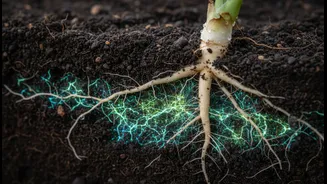
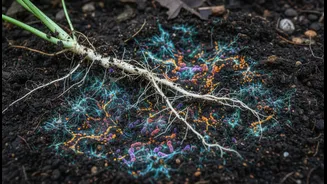
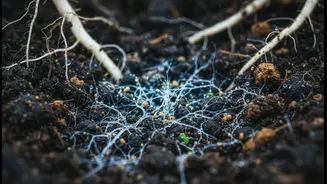
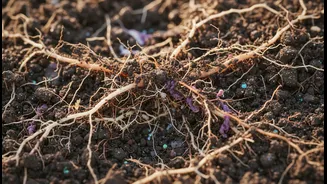
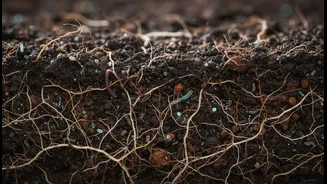
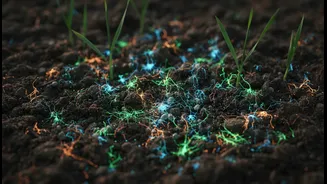
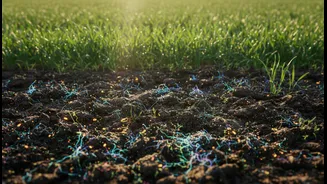
When we think of microbes, we often think of germs. But the soil is teeming with trillions of bacteria, fungi, and other microorganisms that are essential for life. This complex community, known as the soil microbiome, acts as a hidden support system
for plants. For centuries, farmers have known that healthy soil produces healthy crops, but only recently have we begun to understand the critical role these tiny organisms play. They are nature’s recyclers, breaking down organic matter and turning it into nutrients that plants can absorb. This natural process is the foundation of soil fertility. Now, scientists and agricultural companies are learning how to harness this power, creating products called microbial inoculants—or biofertilisers—that can be added to seeds or soil to give crops a boost.
How Microbes Help Plants Thrive
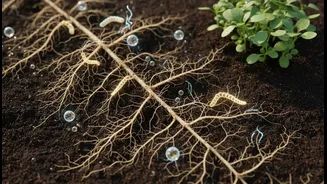
Beneficial microbes work in several remarkable ways. Some bacteria, like Rhizobium, form a symbiotic relationship with legume crops such as peas and beans, pulling nitrogen from the atmosphere and converting it into a form the plant can use—a process known as nitrogen fixation. Others are masters at unlocking nutrients already present in the soil. For example, certain microbes can solubilise phosphorus, a vital nutrient that is often locked up in soil particles and unavailable to plants. Beyond providing food, these microorganisms can also act as a plant’s personal bodyguards. Some produce compounds that inhibit the growth of harmful pathogens, reducing the need for chemical pesticides. Others produce hormones that stimulate root growth, helping plants access more water and nutrients and making them more resilient to stresses like drought and high salinity.
The Promise of a Greener Revolution
The potential benefits of embracing microbial solutions are enormous. By enhancing the soil's natural ability to provide nutrients, farmers can reduce their reliance on synthetic chemical fertilisers. This is a win for both the farmer's wallet and the environment. Overuse of chemical fertilisers can lead to soil degradation and water pollution, while their production contributes to greenhouse gas emissions. Microbial products promote a more sustainable model, helping to build healthier, more resilient soils over the long term. For India, a country with a vast agricultural sector and a growing focus on sustainable practices, this technology holds significant promise. The market for agricultural biologicals in India is growing rapidly, driven by the need to improve farm productivity, meet export standards for food safety, and restore soil health.
The Challenges from Lab to Land
Despite their promise, microbial inoculants are not a simple magic bullet. Unlike chemical fertilisers, which offer predictable results, biofertilisers are living products. Their effectiveness can be highly dependent on environmental factors like soil type, temperature, pH, and moisture. A product that works wonders in one field might show disappointing results in a neighbouring one. Storage and handling are also critical; these living organisms have a limited shelf life and can lose their effectiveness if not stored correctly. Furthermore, many microbial products are specific to certain crops, meaning a farmer might need several different types for a diverse farm. These inconsistencies and complexities can make some farmers hesitant to switch from the reliable, if less sustainable, chemical alternatives. Overcoming these hurdles requires more research, better product formulations, and robust farmer education.