





The Anatomy of a Dark Store
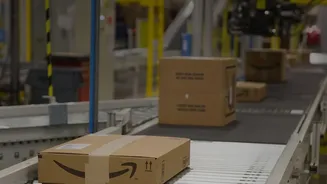
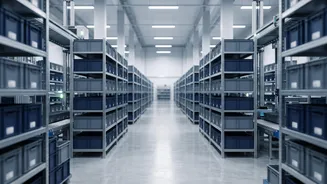
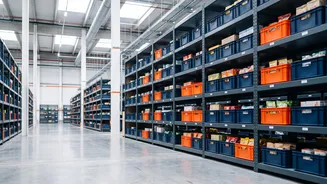
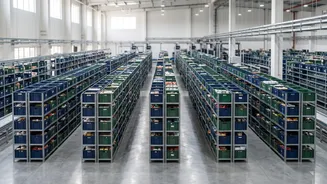
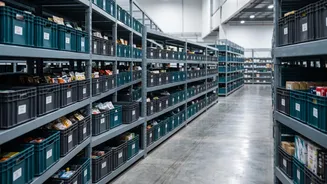
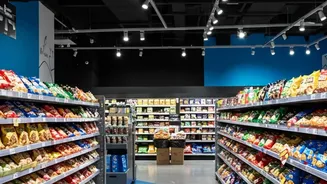
So, what exactly is a dark store? Imagine a small supermarket, but with no customers allowed inside. Instead of aisles for browsing, it is a hyper-efficient space designed purely for speed. These micro-fulfilment centres, typically 2,500 to 5,000 square
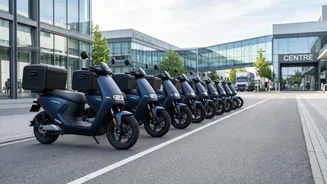
feet, are packed with inventory, with every item placed for the fastest possible picking and packing. An order comes in through an app, and within minutes, a 'picker' gathers the items, a 'packer' bags them, and it's handed to a delivery partner waiting outside. This model is the backbone of quick commerce, turning neighbourhood real estate into miniature logistics hubs dedicated to near-instant delivery.
Why Bengaluru is the Epicenter
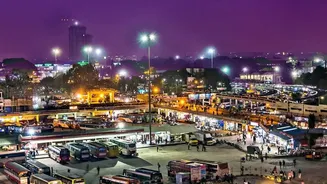
Bengaluru has more dark stores than any other city in India, with over 629 locations as of mid-2026, accounting for more than 11% of the national total. This isn't an accident. The city is a perfect storm for quick commerce growth. Its infamous traffic makes a 10-minute delivery more appealing than a one-hour drive to the store. It has a high concentration of young, tech-savvy professionals with disposable income who are accustomed to on-demand services. Furthermore, many of India's largest e-commerce and logistics players, including Swiggy, Flipkart, and BigBasket, were born in Bengaluru, giving them deep institutional knowledge of the city's consumer behaviour and delivery networks. This has created a fiercely competitive five-way race between Blinkit, Zepto, Swiggy Instamart, Flipkart Minutes, and BigBasket, all fighting for market share, pincode by pincode.
A New Spectrum of Urban Jobs
The expansion of these stores is creating a new wave of blue-collar employment that goes beyond the highly visible delivery partners. Inside each dark store, a small team of workers manages inventory, picks orders, and prepares them for dispatch. While a single store might only employ a small group, the sheer number of stores creates a significant hiring stream. With over 600 stores, Bengaluru's quick commerce sector directly generates an estimated 6,300 to 12,600 jobs in the stores alone. This provides entry-level employment that barely existed a decade ago, creating opportunities for workers to gain experience in logistics and inventory management, with some finding paths to becoming team leads or trainers.
The Gig Economy's Double-Edged Sword
While quick commerce is undoubtedly a job creator, the nature of this employment warrants a closer look. Many of the roles, especially for delivery partners, are part of the gig economy. This offers flexibility, which is a major draw for students or those seeking supplementary income. However, it often comes without the job security, benefits, and predictable income of traditional employment. The intense pressure to meet 10-minute delivery targets also raises concerns about worker safety and well-being. While some reports indicate that full-time gig workers can earn more than in comparable informal jobs, the model's reliance on a vast, flexible workforce is reshaping the city's labour dynamics in ways that are still unfolding.
Reshaping the Urban Landscape
The impact of dark stores extends beyond jobs to the very physical fabric of the city. These companies are breathing new life into underutilised real estate, turning old shops and basements into productive hubs. However, this has also intensified competition for small commercial spaces, potentially driving up rents. More significantly, the hyper-convenience and deep discounts offered by heavily funded platforms pose a direct challenge to the thousands of local kirana stores that have served neighbourhoods for generations. While some platforms are exploring models to partner with these small shops, the long-term coexistence of traditional retail and quick commerce remains a critical question for the city's economic future.