






Choose Your Fabrics Wisely
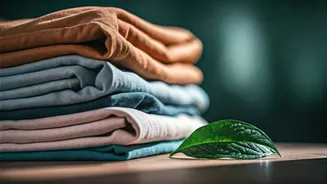
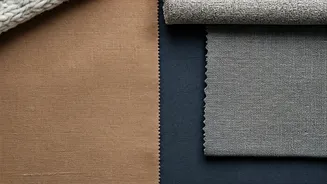
The foundation of a hardworking monsoon wardrobe is fabric. Heavy materials like denim and some thick cottons become waterlogged, take forever to dry, and can lead to skin issues in high humidity. Instead, build your wardrobe around lightweight, breathable,
and quick-drying materials. Fabrics like rayon, crepe, georgette, and cotton blends are excellent choices. Rayon feels like cotton but dries much faster, while crepe and georgette repel water and don't cling to the skin. Fine cotton and linen are also great for their breathability, though they may take slightly longer to dry than synthetics. The goal is to choose fabrics that let your skin breathe and won't leave you feeling damp and uncomfortable all day.
Embrace Shorter Silhouettes
One of the biggest monsoon challenges is navigating muddy streets and puddles without ruining your clothes. This is where silhouettes play a crucial role. Ditch floor-grazing hemlines and opt for shorter, smarter lengths. Cropped trousers, culottes, ankle-length pants, and leggings are your best friends, keeping your hems clean and dry. Midi skirts, skater skirts, and shirt dresses are also practical and stylish options. These styles are not only functional but also allow for better air circulation, which is essential in humid weather. For Indian wear, a shorter kurta paired with palazzos or cropped pants is a chic and practical combination. The key is to avoid long, trailing garments that can easily get soaked and muddied.
The Indispensable Outer Layer
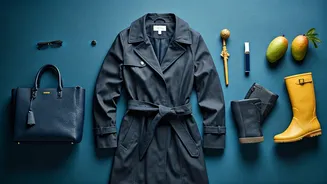
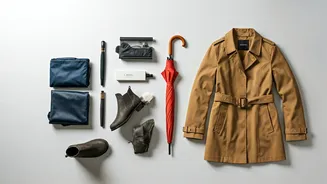
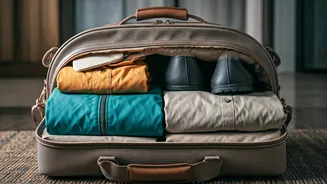
A stylish, functional outer layer is non-negotiable during the monsoon. Forget the shapeless plastic sheets of the past; modern rain jackets, windbreakers, and lightweight trench coats are designed to be both waterproof and fashionable. Look for pieces that are lightweight enough to be folded and carried in a bag for those unpredictable showers. Layering is a smart strategy, allowing you to adapt to changing conditions—from a sudden downpour outside to a cool, air-conditioned office inside. A lightweight shrug, cardigan, or even an unbuttoned oversized shirt can provide an extra layer of protection and style.
Conquer Puddles with the Right Footwear
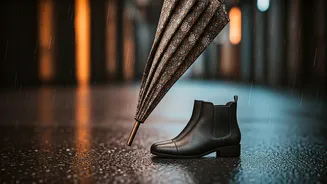
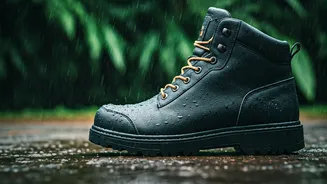
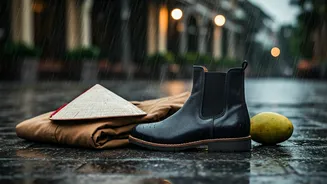
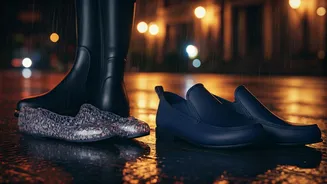
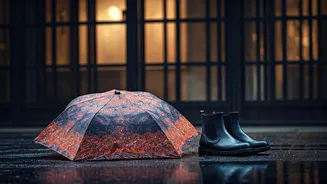
The wrong footwear choice can lead to wet, uncomfortable feet and ruined shoes. Leather and suede are definite no-gos as water can cause permanent damage. Instead, invest in footwear made from waterproof or water-resistant materials like rubber, EVA, and other synthetics. Stylish rubber boots, jelly flats, clogs, and waterproof sandals are excellent choices that provide good grip on slippery surfaces. These options are easy to clean, dry quickly, and protect your feet from mud and water, ensuring you can navigate the rainy streets with confidence.
Accessorise for the Elements
Your accessories also need to work harder during the monsoon. Swap your precious leather handbag for a waterproof tote or a chic bag made from nylon or PU. This will keep your essentials—like your phone, wallet, and a small foldable umbrella—safe and dry. When it comes to jewellery, opt for minimal, lightweight pieces that won't feel uncomfortable in the humidity. A colourful, lightweight scarf or stole made of cotton or rayon can also be a versatile accessory; it can protect you from a light drizzle and add a pop of colour to an otherwise grey day.
A Note on Colour and Care
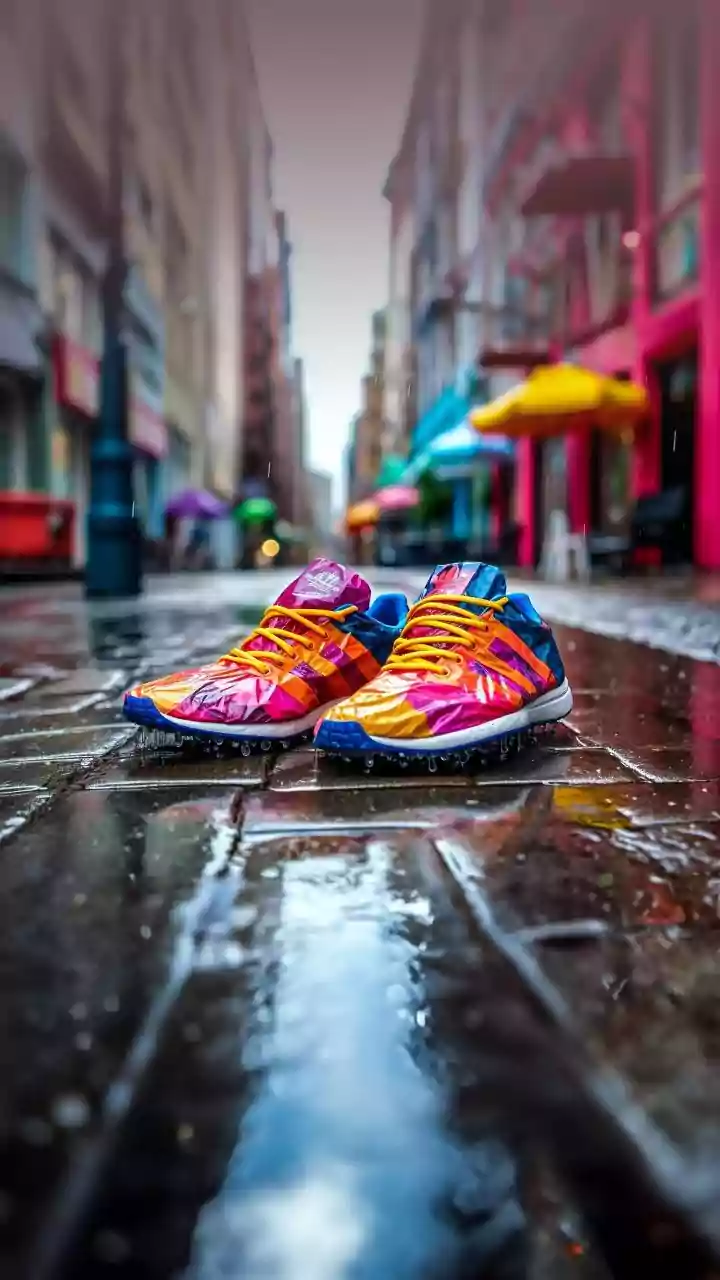
While it might seem practical to stick to dark colours to hide mud splashes, don't be afraid to embrace vibrant hues. Bright shades like yellow, pink, and cobalt can lift your spirits on a gloomy day and stand out beautifully against the grey backdrop. Darker jewel tones and bold prints can also be effective at camouflaging minor stains. Finally, a crucial part of a hardworking wardrobe is proper care. Don't let damp clothes sit in a laundry basket, as they can develop mildew and a musty smell. Wash and dry them as quickly as possible to keep your monsoon wardrobe fresh and ready for your next rainy-day adventure.