






A Shock to the System
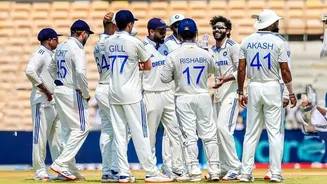
When captain Shubman Gill won the toss in Wellington and announced his playing XI, the absence of Mohammed Siraj's name was glaring. On a green-tinged pitch expected to assist seamers, the decision to leave out a bowler known for his aggression and wicket-taking
prowess was a major talking point. Siraj has been a vital cog in India's Test side, often celebrated for his relentless energy and ability to produce breakthroughs. His exclusion was described by captain Gill as a 'very difficult' decision, highlighting the intense competition for places within the squad. For fans and pundits alike, it was a move that demanded immediate explanation, especially with crucial World Test Championship points on the line.
The Tactical Angle in Wellington
The primary reason cited was tactical. The Indian think tank, led by coach Gautam Gambhir and captain Gill, opted for a four-man pace attack tailored to Wellington's specific conditions. The strategy involved selecting bowlers who could not only exploit the early seam movement but also remain effective when the pitch flattens. The management chose Jasprit Bumrah, Akash Deep, Prasidh Krishna, and Anshul Kamboj. This combination was seen as offering variety, including hit-the-deck bowlers who could generate bounce even with the older ball, a trait considered crucial at the Basin Reserve. Gill mentioned the team was looking for a specific skill set to adapt to the changing nature of the pitch over five days, hinting that Siraj didn't fit this particular game plan.
Competition and Recent Form
While Siraj has been a consistent performer, his recent form in red-ball cricket had shown a slight dip, with a couple of less impactful performances in the preceding series against Sri Lanka. This, combined with the impressive form of other pacers, created a selection headache. Akash Deep, Anshul Kamboj, and Prasidh Krishna have all made strong cases for their inclusion. The team management also considered the batting ability of the lower order, with players like Akash Deep and Anshul Kamboj seen as being able to contribute valuable runs. Ultimately, the selection seems to be a case of 'horses for courses', where the specific attributes of other bowlers were deemed more suitable for the challenge in Wellington.
Workload Management or a Sign of Things to Come?
Another potential factor is workload management, a key strategy for the Indian team amidst a packed international calendar. Resting a key asset like Siraj could be a strategic move to keep him fresh for the rest of the season, which includes other important fixtures. With Jasprit Bumrah returning to lead the attack, rotating the other fast bowlers is a logical approach to prevent burnout and injury. While the BCCI has reportedly considered moving away from its previous workload policy, ensuring the longevity of premier fast bowlers remains a priority. However, some analysts have questioned whether Siraj is being mismanaged, having gone from a definite starter to a player uncertain of his place. His exclusion could be a temporary tactical switch or an indication of a shift in the team's fast-bowling hierarchy.