





Beyond Sun, Sand, and Sea
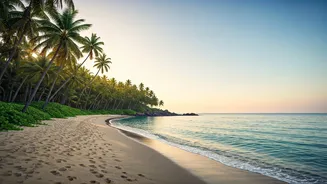
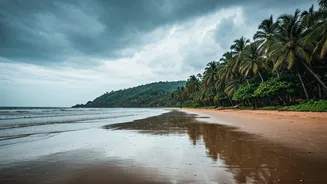
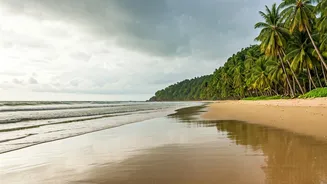
For decades, Goa's identity was synonymous with sunbathing, winter charter flights, and all-night beach parties. The monsoon months, from June to September, were considered the definitive off-season, a time when many beach shacks would close and tourist
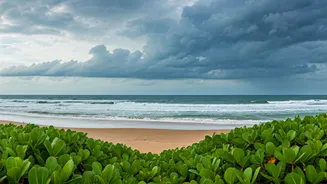
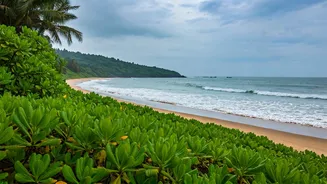
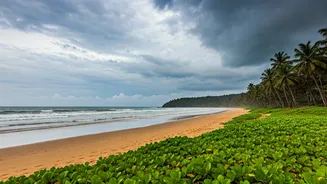
footfall would dwindle. [19, 21] But a significant shift is underway. A new generation of travellers, comprised of nature lovers, couples, families, and digital nomads, are actively choosing to visit during the rains. [8, 11] They aren't coming for the conventional beach holiday; instead, they seek the peace, verdant landscapes, and cultural authenticity that the monsoon unveils. [7, 8] This trend has been bolstered by a conscious push from Goa's tourism ministry to rebrand the state as a year-round destination, moving beyond just its beaches. [11, 25] The result is a burgeoning fanbase that prefers the drama of a cloudy sky to a clear one. [9]
Nature's Grand Performance
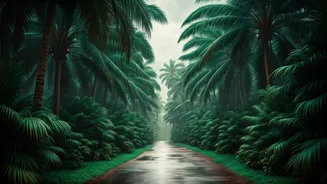
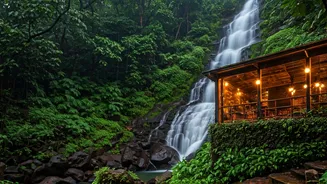
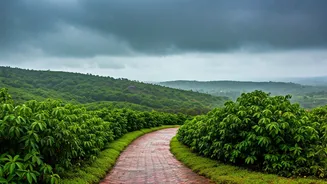
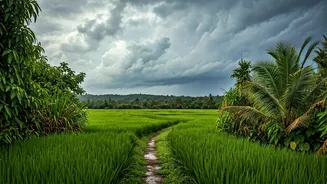
The single biggest draw of monsoon Goa is its spectacular natural transformation. The rain breathes new life into the landscape, turning the once sun-scorched earth into a vibrant canvas of lush greenery. [10, 14] Waterfalls, often mere trickles in the dry season, become thunderous spectacles. The mighty Dudhsagar Falls, in particular, reaches its full, awe-inspiring glory, drawing trekkers and photographers. [3, 7] The state's wildlife sanctuaries, such as Bhagwan Mahavir, Cotigao, and Bondla, become dense, verdant havens for nature walks, offering chances to spot diverse flora and fauna. [5, 6] The Western Ghats, which form Goa's eastern border, are often shrouded in mist, making for dramatic drives through areas like the Chorla Ghat. [2, 4] This is a Goa that appeals to the senses, with the fresh scent of wet earth and the sight of rain-washed paddy fields replacing the din of peak-season crowds. [16, 21]
An Itinerary for the Senses
The monsoon itinerary is starkly different from a winter one. With swimming in the rough seas often restricted, activities turn inland. [5] The focus shifts to experiences like trekking to hidden waterfalls, exploring aromatic spice plantations that are at their most fragrant, and taking river cruises on the swollen Mandovi. [4, 5] Travellers are increasingly exploring Goa's quieter villages like Assagao, Saligao, and Divar Island on bicycles or scooters, discovering a slower pace of life. [2, 9] Cosy cafes with views of green fields become popular haunts for enjoying a hot cup of chai. [3] The rise of the 'workation' trend has also found a perfect home in the monsoon season. [16] The Goa government has actively promoted this, with initiatives like the 'Shackathon' encouraging a blend of work and leisure, turning the state into a potential hub for digital nomads seeking inspiration beyond a typical office. [27, 28, 29]
The Allure of the Off-Season
Beyond the aesthetic appeal, there are practical advantages to a monsoon visit. The perception of it being an 'off-season' means fewer crowds, translating to more peaceful beaches and quieter streets. [7, 9] This allows for a more intimate and authentic experience, where one can explore heritage sites like the Latin Quarter of Fontainhas in Panaji without the usual tourist rush. [3] This period is also significantly more budget-friendly. [17] Travellers can find lucrative discounts on flights and luxury accommodations, making a premium Goan holiday more accessible. [7, 8] This economic benefit works both ways. For Goa's tourism-dependent economy, which supports up to 40% of employment, the growing popularity of the monsoon season helps create a more sustainable, year-round income stream, reducing the reliance on a few peak months. [11, 26]