



The Cosmic Culinary Challenge
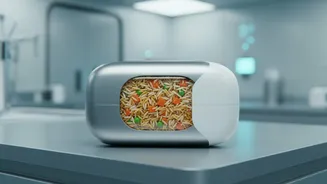
Sending food into space is far more complex than packing a lunchbox. For missions that can last weeks or months, meals must have a shelf life of at least a year without refrigeration. They need to be nutritious, lightweight, and easy to consume in a zero-gravity
environment. Regular food is a non-starter; crumbs can float away and damage sensitive equipment, while liquids can be impossible to manage. This is the challenge facing scientists as they prepare for India's ambitious human spaceflight programme, Gaganyaan.
Hyderabad's Crucial Role in the Space Menu
While the Mysuru-based Defence Food Research Laboratory (DFRL) has historically led India's space food efforts, the Hyderabad-based National Institute of Nutrition (NIN) is now playing a key role. Scientists at NIN have begun developing specialised food for India's astronauts, focusing on formulations that can withstand microgravity while delivering essential nutrients. Their work is a critical piece of the Gaganyaan mission, which is scheduled to launch India's first indigenous human spaceflight. This research involves creating meals that are not only scientifically sound but also cater to the Indian palate.
What's on the Menu?
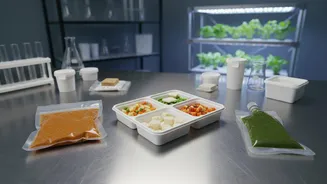
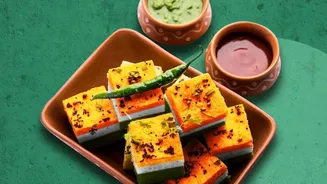
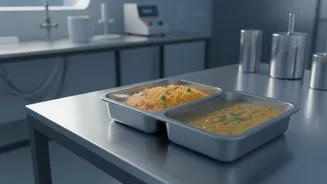
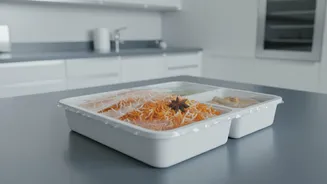
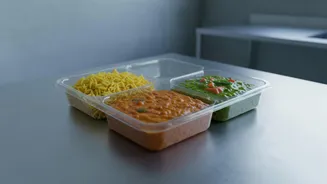
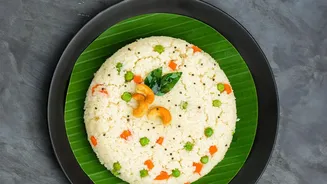
The proposed menu is a blend of familiar comforts and carefully engineered nutrition. Items being developed include khichdi, mutton rolls, and chicken nuggets. The menu is designed to feature both vegetarian and non-vegetarian options, reflecting India's diverse culinary landscape. Past efforts by DFRL for the Gaganyaan programme have also explored classics like idli sambar, upma, vegetable biryani, and various rolls. However, taste perception is altered in space, often dulled, so a key challenge is ensuring the food remains flavourful and appealing. The meals will be available in semi-solid, ready-to-eat, and dehydrated forms that can be easily reconstituted.
The Science of Long-Lasting Food
To achieve a long shelf life, researchers are employing advanced preservation techniques. These include freeze-drying and infrared drying, which remove moisture while retaining taste and nutritional value. The food is also specially packaged to protect it from contamination and spoilage. Every dish undergoes rigorous testing to ensure it is low-fragmentation, meaning it won’t create dangerous crumbs in microgravity. The nutritional profile is also meticulously planned, with controlled levels of sodium and fibre to maintain astronaut health in space, where bone loss and altered gut function are significant concerns.
More Than Just Sustenance
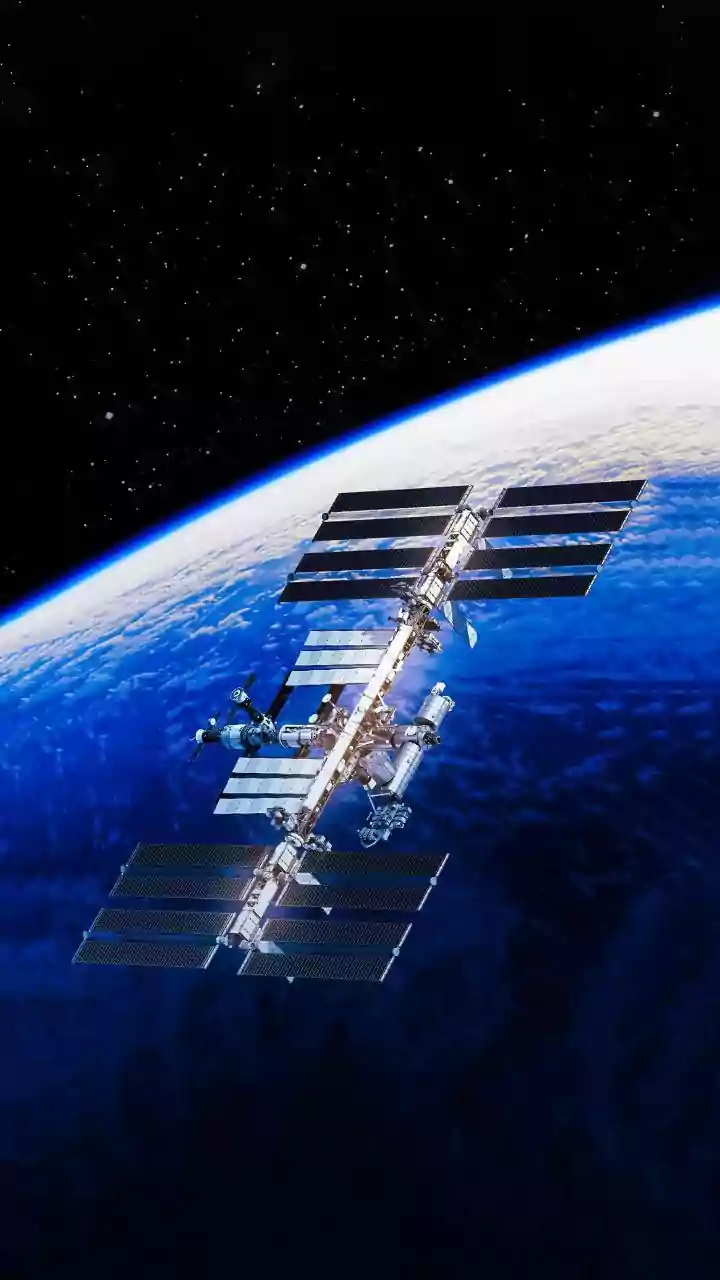
For astronauts confined to a small spacecraft far from Earth, familiar food is a powerful psychological comfort. It serves as a crucial morale booster and a connection to home. The effort to develop Indian dishes is not just about nutrition; it's about the well-being of the crew. The recent experience of astronaut Shubhanshu Shukla on the International Space Station highlighted this; after days of standard space food, he found himself craving salty and spicy Indian flavours. His mission provided valuable lessons, as only three Indian dishes he took—two types of halwa and amras—were fully certified in time, underscoring the stringent testing required.