








The 'Natural' and 'Healthy' Maze
For years, shoppers have navigated a confusing landscape of food packaging. Words like ‘natural,’ ‘fresh,’ ‘pure,’ and ‘healthy’ are powerful marketing tools used to attract health-conscious consumers. The problem is that these terms have often been used without
clear, legally-binding definitions, leading to a situation where a 'natural' product could still contain processed ingredients or a 'healthy' snack could be high in sugar. Recent actions by the FSSAI show this is changing. The regulator has intensified its scrutiny, issuing notices to multiple companies for using claims that could mislead consumers about a product's true nature. This crackdown is part of a broader push to ensure what's on the label is what's actually in the packet.
What FSSAI's Rulebook Says
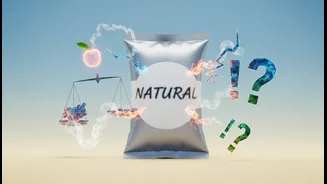
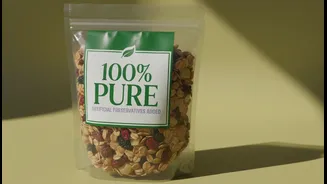
The foundation for this crackdown lies in the Food Safety and Standards (Advertising and Claims) Regulations. These rules state that descriptive terms like 'natural' or 'fresh' cannot be used frivolously. For a product to be called 'natural', it must be a single-ingredient food derived from a recognised natural source that has not been significantly altered. Minimally processed foods, which are only slightly altered for preservation (like through cleaning, grinding, or pasteurisation), can qualify, but a product with synthetic additives, colours, or flavours cannot be labelled '100% Natural'. In fact, recent FSSAI notices have specifically targeted products that claim to be '100% Natural' while their own ingredient lists mention preservatives and artificial flavouring. If a company uses a brand name that includes a word like 'natural' but the product doesn't meet the criteria, it must include a disclaimer stating that it's just a brand name and doesn't represent the food's true nature.
Beyond 'Natural': A Broader Cleanup
The FSSAI's focus isn't limited to the word 'natural'. The regulator is taking a hard look at a range of potentially misleading claims. Notices have been sent to companies for using 'Fresh Paneer' on products that don't meet the specific conditions for the 'fresh' claim, and for using 'FSSAI-approved', which can falsely suggest a special endorsement. Similarly, claims like '100% Vegetarian' on products containing ingredients that might not be, or marketing fruit-flavoured items with no actual fruit, have also come under fire. The goal is to enforce transparency and scientific substantiation for all claims, whether they relate to being 'healthy', 'organic', or containing 'true vitamins'.
How This Empowers You, the Consumer
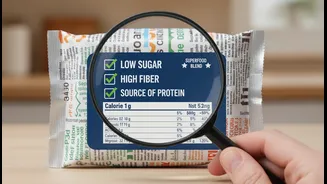
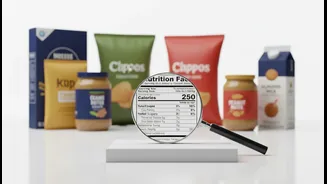
This regulatory push is a significant win for Indian consumers. For too long, making healthy choices has been hampered by deceptive marketing. By enforcing stricter definitions and penalising misleading labels, FSSAI is levelling the playing field. When a package says 'natural', you will have a clearer guarantee that it is free from synthetic additives and has undergone minimal processing. This shift empowers you to trust the information on the label and make choices based on facts, not just marketing buzzwords. It encourages you to look beyond the flashy claims on the front of the pack and pay closer attention to the ingredient list and nutritional information, which remain the most reliable sources of truth.