

The true spirit of a city is often found not in its grand monuments, but along its most vibrant streets. These thoroughfares are more than just transit routes; they are living museums, culinary destinations, and canvases for public art.
The Shambles, York, England
Step back in time
on what is arguably the best-preserved medieval street in the world. The Shambles, mentioned as far back as the 1086 Domesday Book, was once a bustling street of butchers. The overhanging timber-framed buildings, some dating to the 14th century, were designed to be close together to shelter the meat displayed below from direct sun. Today, the butchers are gone, but you can still see the original meat hooks outside the quaint shops that now line the narrow, cobbled lane. Its magical, crooked appearance has led many to compare it to the fictional Diagon Alley.
Lombard Street, San Francisco, USA
Known for its steep, one-block section with eight hairpin turns, Lombard Street is a major tourist attraction, drawing about two million visitors annually. This unique design was implemented in 1922 to reduce the hill's natural 27-percent grade, which was too treacherous for the cars of the era. The winding, red-brick road is framed by perfectly manicured gardens and offers stunning views of the San Francisco Bay from the top. While it's famously called the 'crookedest street in the world', some locals will argue that title actually belongs to Vermont Street on Potrero Hill.
Hosier Lane, Melbourne, Australia
A dynamic canvas of urban expression, Hosier Lane is Melbourne's most famous street art gallery. Since the late 1990s, this bluestone laneway has been a celebrated hub for local and international artists, featuring an ever-changing collection of stencils, murals, and installations. The art is often political and always vibrant, covering not just walls but windows and even wheelie bins. Though technically illegal, the graffiti is a de facto 'free-to-paint' zone, making it a constantly evolving spectacle of colour and creativity right in the heart of the city.
Caminito, Buenos Aires, Argentina
Located in the La Boca neighbourhood, Caminito is a traditional alley and open-air street museum. Its name, meaning 'little path', was inspired by a famous 1926 tango song. The area, once an abandoned railway line, was transformed in the 1950s by local artist Benito Quinquela Martín, who painted the walls in vibrant pastel colours. Today, the street is a symbol of the area's immigrant history, filled with the brightly painted zinc-and-wood houses of former Genoese immigrants, tango dancers performing for crowds, and local artists selling their work.
The Blue Streets of Chefchaouen, Morocco
Chefchaouen, nestled in the Rif Mountains, is famous for its medina, where nearly every building is washed in a brilliant shade of blue. There are several theories for the distinctive colour; some believe Jewish refugees who settled there in the 1930s introduced the hue to symbolise divinity, while others suggest it helps keep homes cool or even repels mosquitoes. Wandering the narrow, winding alleyways feels like stepping into a dream, with every corner revealing a new variation of azure, cobalt, and sapphire.
Acorn Street, Boston, USA
Often cited as the most photographed street in America, Acorn Street offers a perfect glimpse into 19th-century Boston. Located in the charming Beacon Hill neighbourhood, this narrow lane is one of the few remaining streets in the city with authentic cobblestone paving. The Federal-style brick row houses were originally home to artisans and the servants of Beacon Hill's wealthier residents. With its gas lanterns and historic architecture, a walk down this private way feels like a journey back in time.
Via dei Coronari, Rome, Italy
Once a path for pilgrims heading to St. Peter's Basilica, Via dei Coronari derives its name from the 'coronari', or rosary sellers, who lined the street in the 16th century. Today, this charming road near Piazza Navona is renowned for its antique shops. It's a treasure trove for collectors, offering everything from vintage furniture to rare art and collectibles. The street blends its rich history with modern boutiques and cafes, making it a peaceful and picturesque escape from the city's more crowded attractions.
Jalan Alor, Kuala Lumpur, Malaysia
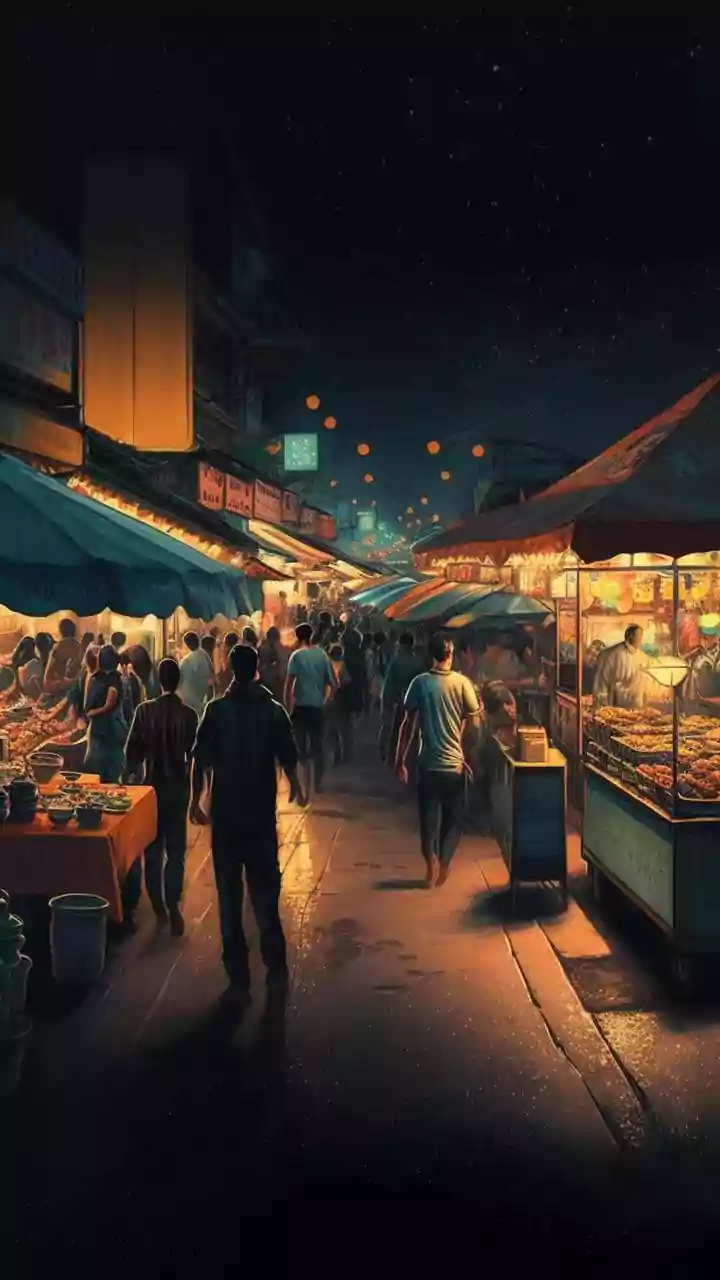
As the sun sets, Jalan Alor transforms from a quiet street into Kuala Lumpur's most famous culinary destination. This bustling food street in the heart of Bukit Bintang is a sensory explosion, with the air filled with the sizzle of woks and the aroma of grilled meats. It's a paradise for food lovers, lined with open-air restaurants and hawker stalls serving a vast array of Chinese and Malay dishes, from famous grilled chicken wings and satay to fresh seafood and countless noodle varieties.
Heerstrasse, Bonn, Germany
For two to three weeks each spring, Heerstrasse in Bonn transforms into a breathtaking cherry blossom tunnel. This magical spectacle occurs when the Japanese cherry trees planted along the street burst into full, vibrant pink bloom. The canopy of flowers creates an almost surreal atmosphere, attracting photographers and visitors from around the world. Known as 'Cherry Blossom Avenue', it's a fleeting but unforgettable display of natural beauty in an urban setting.
Philosopher's Walk, Kyoto, Japan
This serene, two-kilometre stone path follows a canal in Kyoto, lined with hundreds of cherry trees. It gets its name from Nishida Kitaro, a famous Japanese philosopher who was said to practice daily meditation while walking this route to Kyoto University. The walk is especially stunning in early April when the cherry trees explode in a sea of pink blossoms, creating a picturesque tunnel of flowers. It connects several temples and shrines, offering a peaceful and contemplative journey through the city's cultural heart.