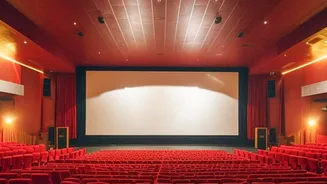







The Unmatched Immersive Experience
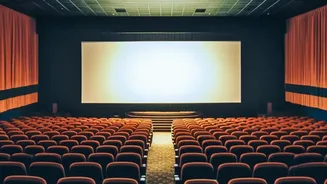
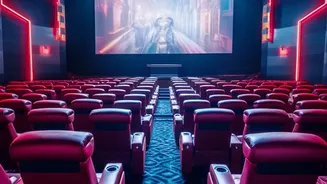
Let’s start with the obvious: scale and technology. No home setup, no matter how sophisticated, can truly replicate the monumental size of a cinema screen paired with a finely-tuned, multi-channel sound system that you can feel in your bones. This is the spectacle
part of the equation. Filmmakers behind epic productions craft their visuals and soundscapes for this specific environment. Watching a blockbuster on a laptop is like listening to a symphony through a single earbud; you get the melody, but you miss the majesty. Formats like IMAX, Dolby Cinema, and 4DX are designed to be overwhelming, pulling you into the world of the film in a way that the distractions of home—phones, doorbells, the endless pause button—simply cannot allow. A theatre is a dedicated space for undistracted immersion.
The Psychology of a Shared Experience
Watching a film in a theatre is a fundamentally social activity. There's a unique energy that comes from being part of a crowd, collectively holding its breath during a tense moment, erupting in laughter at a joke, or applauding at a triumphant conclusion. This shared emotional journey amplifies our own feelings and creates a powerful sense of community and connection, even among strangers. Studies and neuroscience suggest this communal experience can heighten empathy and even contribute to our overall happiness and well-being. It transforms passive viewing into an active, collective event, reminding us that we are social creatures who thrive on shared stories. This is a magic that streaming, by its very nature as a solitary or small-group activity, cannot conjure.
Making It an Event
In a world of endless content, a trip to the cinema turns a movie into an event. It’s an intentional act that requires planning and effort, elevating it above the casual, everyday consumption of media at home. It signifies that this particular story is worth your undivided attention. This 'event-izing' of cinema is becoming a core part of its strategy for survival. We see this not just with blockbuster films but with concert films, special anime releases, and anniversary screenings. Going to the movies is a break from routine; it’s a date night, a family outing, a way to leave the house and participate in a cultural moment. That feeling of anticipation and the post-film discussion with friends are all part of an experience that begins long before the opening credits and ends long after they roll.
The Economic Engine of Cinema
Beyond the cultural arguments, there's a powerful economic reason for theatres' continued existence. For major studios, a successful theatrical run is still the most effective way to launch a billion-dollar franchise. The box office doesn't just generate initial revenue; it builds cultural buzz and establishes a film's value for its entire lifecycle, including its eventual arrival on streaming platforms. Films that have a strong theatrical presence often perform better on streaming later on, having been validated in the public square. While the pandemic forced experiments with simultaneous streaming releases, many studios have reaffirmed their commitment to the theatrical window, recognizing it as a crucial driver of profit and prestige. Box office figures for 2026 have shown a significant rebound, indicating that audiences are still willing to show up for the right films.