




The Western Ghats: A Drive Through Clouds
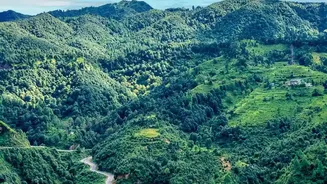
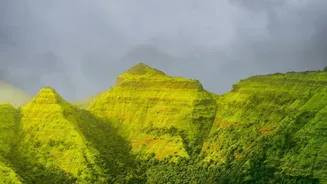
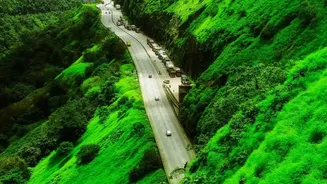
The Western Ghats, stretching across Maharashtra, Karnataka, and Kerala, are arguably at their most spectacular post-monsoon. The period from September to November is ideal for a road trip, with pleasant weather and verdant scenery. A classic route is the drive
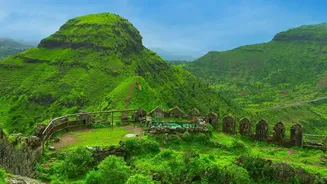
from Satara to Mahabaleshwar in Maharashtra. Winding ghat roads offer panoramic views of valleys still misty from the rains. A key stop is the Kaas Plateau, a UNESCO World Heritage site, which transforms into a carpet of wildflowers after the monsoon. Further south, the routes through Coorg and Chikmagalur in Karnataka are equally enchanting. Known for coffee plantations and misty mountains, these areas offer serene drives with highlights like Abbey Falls in Coorg and the lush hills surrounding Chikmagalur. Roads are generally in good condition, but it's always wise to check for local advisories, as lingering moisture can make some patches slippery.
Meghalaya: The Abode of Living Waterfalls
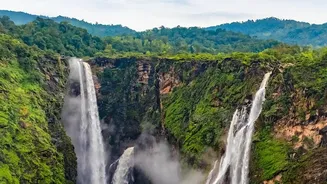
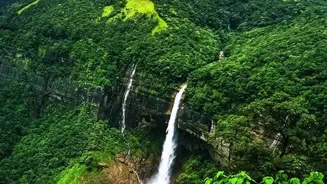
Meghalaya, aptly named 'The Abode of Clouds', is a destination that thrives in the rain and its aftermath. While the monsoon brings the heaviest downpours, the post-monsoon months offer clearer skies while the waterfalls remain in their full, thunderous glory. Driving through the East Khasi Hills towards Sohra (Cherrapunji) reveals a landscape of dramatic gorges and overflowing waterfalls like Nohkalikai and the Seven Sisters Falls. This season also sees fewer tourists, allowing for a more peaceful experience at iconic sites like the living root bridges in Nongriat. The weather is perfect for trekking and exploring the region's unique cave systems. The post-monsoon period is also when many local harvest festivals take place, offering a vibrant cultural experience alongside the natural splendor.
Himalayan Foothills: Clear Skies and Autumn Hues
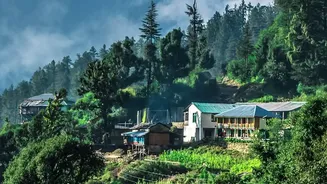
While the high-altitude passes of Ladakh become accessible, the Himalayan foothills offer a different kind of post-monsoon charm. In places like Himachal Pradesh and Uttarakhand, the rains wash the dust from the air, providing crystal-clear views of the snow-capped peaks. The drive from Delhi to Manali, for instance, showcases this transition beautifully, with pine-covered slopes and the gushing Beas River as your companions. For a more offbeat journey, consider Ziro Valley in Arunachal Pradesh. After the rains, its lush paddy fields against a backdrop of pine-clad hills create a picture-perfect landscape. The pleasant weather makes it ideal for exploring the villages of the Apatani tribe. Similarly, Spiti Valley becomes more accessible in October, offering a stark, beautiful landscape with fewer crowds.
Hampi: Ruins Reborn in Green
The ancient ruins of Hampi in Karnataka offer a completely different experience after the rains. Typically known for its stark, boulder-strewn landscape, the post-monsoon season sees this UNESCO World Heritage site transform. The granite boulders get a covering of green moss and lichen, and the Tungabhadra River flows with renewed vigour. The weather from October onwards becomes pleasant for exploring the vast open-air museum of temples, palaces, and royal enclosures. Photographers particularly seek out this time to capture the dramatic contrast between the ancient stone structures and the fresh greenery. While some activities like coracle rides might still be suspended if the river is too high, the cooler temperatures and quieter sites make for a more intimate and comfortable exploration of this historic marvel.