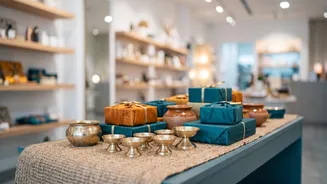







The festive season is here, but the customary spending spree has a new companion: a calculator. New survey data shows Indian shoppers are embracing the festive spirit with more strategy and less impulse, making 2026 the year of the mindful budget.
From Impulse Buys to Planned Purchases
The
exuberant, anything-goes festive shopping trip is evolving. This year, Indian consumers are demonstrating a clear shift towards deliberate and planned purchasing, driven by a desire for better value amid rising costs. According to a YouGov India report from late 2026, a significant portion of consumers are consciously managing their expenditures. The survey found that 26% of urban Indians plan to stick to their usual budget but shop smarter, while another 23% intend to cut back on non-essential purchases. Similarly, a LocalCircles survey noted that rising inflation and borrowing costs are making consumers more cautious about discretionary spending, with many households planning to fund purchases with their savings. This doesn't mean a retreat from spending altogether. Rather, it signals a more mature consumer who is weighing options carefully before opening their wallet. One study identified that 36% of shoppers are now 'Early Planners', a group that shows strong intent to spend but does so with forethought.
The Search for 'Smarter' Value
Being strategic in 2026 is all about maximising value. For many, this means prioritising quality over quantity and seeking out the best deals. According to one survey, 49% of consumers now choose brands based on quality first, with price being the secondary consideration at 42%. This indicates that 'value' is not simply about the lowest price but about getting the most out of every rupee spent. Discounts remain a powerful trigger, influencing nearly half of all consumers. However, shoppers are not just waiting for sales; they are actively using technology to ensure they get the best deal. A growing number of consumers, particularly millennials, are turning to AI tools to research products, compare prices, and find deals, essentially using technology as a modern-day coupon clipping service. This combination of seeking quality while hunting for deals defines the new strategic shopper.
Concentrated Spending on Core Categories
Instead of spreading their budgets thinly across many categories, consumers are focusing their spending on what matters most. A study by insights firm Saarva found that while 77% of urban consumers expect to spend more than in a regular month, this increased spending is concentrated in just 1.3 categories on average. The festive shopping basket primarily rests on two pillars: apparel and jewellery (a priority for 48% of shoppers) and electronics and home goods (46%). Food, groceries, and traditional sweets also remain a protected expense for most households. In contrast, expenses like dining out are more likely to be cut back. Big-ticket purchases, such as vehicles, are being approached with particular caution, with many consumers choosing to defer such large commitments amidst economic uncertainty. This focused approach allows households to celebrate meaningfully without overextending their finances.
The Blended Approach: Digital Research, Physical Purchase
The shopping journey itself has become more strategic, blending online and offline channels. No single channel owns the festive season. Surveys show that consumers are spread across e-commerce platforms, malls, and local retail stores. Many shoppers are adopting a hybrid model: researching online and then buying offline, or vice versa. While online sales are projected to see significant growth, with one estimate suggesting a 25–29% increase from 2025, local markets remain crucial. A CVoter poll found that over half of respondents (52.1%) prefer shopping at local or nearby markets, suggesting that touch–and–feel remains important, especially for traditional purchases. This omnichannel behaviour allows consumers to leverage the convenience and price transparency of online platforms while still benefiting from the immediacy and experience of physical stores, optimising their shopping strategy from start to finish.