






Why is a Rate Hike Expected?
The RBI's Monetary Policy Committee (MPC) is meeting from October 5 to 7, and many economists and market analysts predict a hike in the repo rate by 0.25%, also known as 25 basis points. The current repo rate stands at 5.25%. A primary reason for this
expectation is rising inflation, which has been fuelled by factors like elevated crude oil prices and global economic pressures. The central bank's main tool to control inflation is increasing the repo rate, which makes borrowing money more expensive and aims to reduce the money supply in the economy. Several research institutions and polls of economists suggest a hike is a strong possibility, marking the first such increase since February 2023.
The Link Between Repo Rate and Your Car Loan
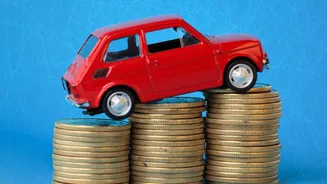
So, how does a decision made by the central bank in Mumbai affect your monthly car payment? The repo rate is the rate at which the RBI lends money to commercial banks. When the repo rate goes up, the cost of funds for banks increases. To maintain their profit margins, banks typically pass this increased cost on to their customers by raising the interest rates on various loans, including car loans. This change primarily impacts loans with a floating interest rate, which are directly linked to a benchmark like the repo rate.
Is Your Loan Fixed or Floating? It Matters
The most important factor determining if your EMI will change is the type of interest rate on your loan. If you have a fixed-rate car loan, your interest rate and EMI will remain unchanged for the entire duration of the loan, regardless of what the RBI does. However, most car loans today, especially those from major banks, are offered with floating interest rates. These rates are subject to change based on market conditions and revisions in the bank's lending rates, which are influenced by the RBI's repo rate. If your loan has a floating rate, a repo rate hike will likely lead to an increase in your EMI or an extension of your loan tenure.
Calculating the Potential Impact
A 0.25% hike might sound small, but it can add up over the life of a loan. Let's take a hypothetical example. Suppose you have an outstanding car loan of Rs 8 lakh with a remaining tenure of five years, currently at an interest rate of 8.75%. Your EMI would be approximately Rs 16,512. If the rate increases by 0.25% to 9.00%, your EMI would rise to roughly Rs 16,607. While a monthly increase of under Rs 100 may seem manageable, it translates to over Rs 5,700 in extra interest paid over the five years. The exact impact depends on your outstanding principal, remaining tenure, and when your loan's interest rate is scheduled to reset.
What Can You Do as a Borrower?
If you have a floating rate loan, you have a few options to consider. First, review your loan agreement to understand the benchmark it's linked to and the reset frequency. This will tell you when a rate change could affect you. Second, if you have surplus cash, making a partial prepayment can reduce your principal amount, which can offset the impact of a rate hike on your EMI. Finally, you can simply budget for a slightly higher monthly payment to avoid any financial strain. For those planning to take a new car loan, it would be wise to compare offers from different banks, as rates can vary. A higher credit score generally helps in securing a more favourable interest rate.