



More Than Just a Place
First, let’s decode the jargon. 'Single-origin' means that the cocoa beans used in a chocolate product all come from one specific geographical location, sometimes as specific as a single farm or estate. Unlike blended chocolates, which are designed for
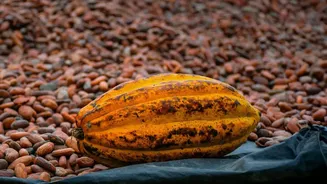
a consistent, uniform taste year after year, single-origin chocolate is all about showcasing the unique character of its 'terroir'. Just like with wine or coffee, this refers to the combination of soil, climate, and environment that gives a crop its distinctive flavour. For decades, Indian cacao was largely treated as a commodity, sold to large companies where its unique characteristics were lost in massive blends. Now, a new generation of 'bean-to-bar' makers and chefs is celebrating its individuality.
The Terroir of Southern India
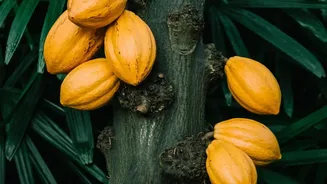
The heartland of India’s cacao cultivation lies in the southern states of Kerala, Karnataka, Andhra Pradesh, and Tamil Nadu. The Idukki district in Kerala, nestled high in the Western Ghats, is particularly celebrated for producing some of the country's most sought-after beans. What makes this region so special? It's a combination of fertile soil, heavy monsoons, and a unique agricultural practice: intercropping. Here, cacao isn't grown in monoculture fields. Instead, it thrives in the shade of coconut palms, banana plants, and areca nut trees, often alongside aromatic spices like black pepper and cardamom. This biodiversity doesn't just create a healthier ecosystem; it also subtly influences the flavour of the cocoa beans, creating a complex taste profile that is impossible to replicate elsewhere.
A Symphony of Spice and Fruit
So, what does South Indian cocoa actually taste like? Forget the one-note 'chocolaty' flavour of mass-market bars. The profiles are astonishingly diverse. Beans from Idukki in Kerala are known for pronounced fruity notes of banana, dark berries, and raisins, often with a fresh acidity and spicy hints of cardamom or black pepper. Cacao from Karnataka, a region famous for its coffee, can have earthier, nuttier, and even tobacco-like undertones. This complexity is a gift to pastry chefs. While a standard chocolate might offer a solid bass note, single-origin Indian cocoa provides a full orchestra of flavours—bright acidic highs, fruity mid-tones, and spicy, earthy finishes—all within a single ingredient.
The Baker's New Muse
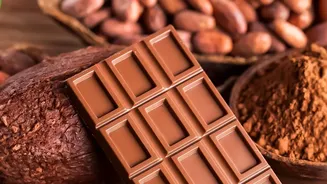
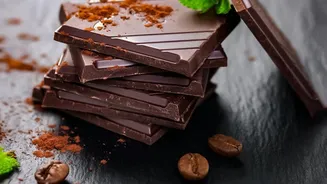
Gourmet bakers and pastry chefs are constantly searching for ingredients with a compelling story and a unique flavour. South Indian cocoa delivers on both fronts. Its distinctive, often savoury and spicy notes provide a thrilling new palette to work with. These are not chocolates to be masked with sugar; they are designed to be the star. The fruity notes of an Idukki bar might be paired with a delicate vanilla bean mousse, while a spicier Karnataka-origin chocolate could be used to create a sophisticated ganache with a hint of chilli. Brands like Paul And Mike, Soklet, and Manam Chocolate are leading this charge, not just producing bars for retail but also working with chefs to highlight what Indian cacao can do. These chocolates challenge bakers to think differently, moving beyond sweetness to explore bitterness, acidity, and aroma in their desserts.