







The Current Bottleneck at 10,682 Feet
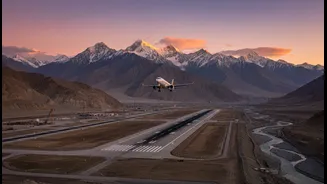
Leh's Kushok Bakula Rimpochee Airport, one of the highest commercial airports in the world, is a lifeline for a region that is cut off by road for several months of the year. However, its existing terminal has long been a major bottleneck. Designed for a different
era, the current facility is frequently overwhelmed by the surge in tourist traffic during the summer months. Passengers often face long queues in a cramped space, a challenging experience at high altitude. The lack of aerobridges means travellers must brave the elements—be it harsh sun or biting cold—while boarding and deplaning. This congestion, coupled with morning weather limitations and a single runway, restricts the number of flights the airport can handle, which currently stands at around 18 per day.
A Glimpse Into the Future Terminal
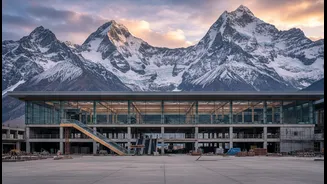
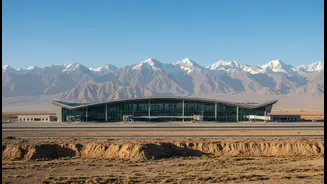
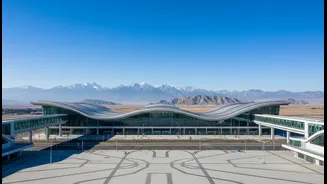
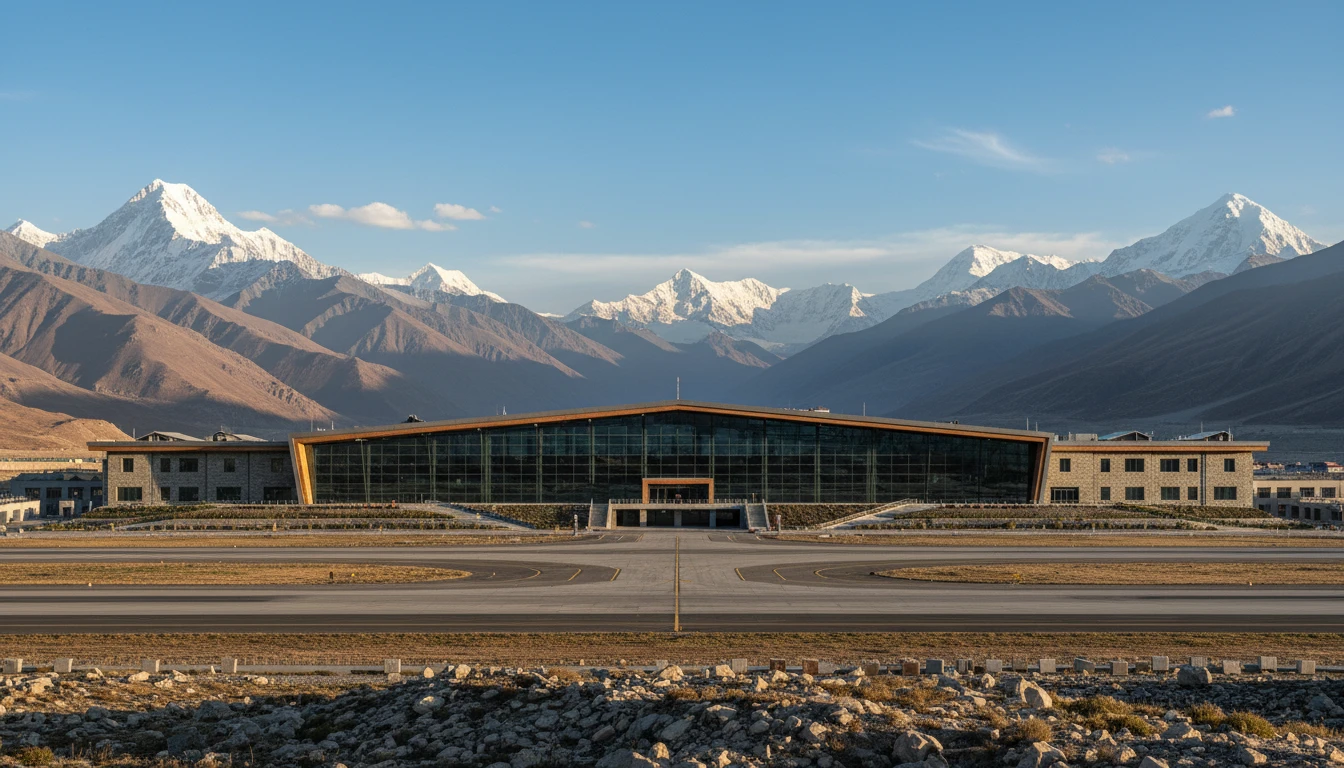
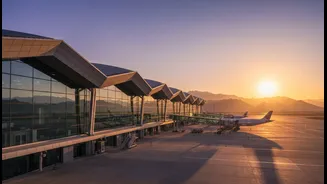
The new integrated terminal building, which is now 83% physically complete as of early July 2026, is set to be a game-changer. Spanning approximately 19,000 square metres, the state-of-the-art facility is designed to handle a massive increase in passenger flow. With a projected capacity of 3.5 million passengers annually and a peak-hour capacity of 2,000 travellers, it represents a significant upgrade. The new terminal will feature 20 check-in counters, modern inline baggage handling systems, and, crucially, three aerobridges. These additions are expected to triple the airport's flight handling capacity to 54 flights per day, dramatically reducing the congestion and long waits that currently define the travel experience.
More Than an Upgrade: A Green Landmark
Beyond its size and capacity, the new terminal is a model of sustainable engineering. Given Ladakh's fragile ecosystem and extreme climate, the project incorporates pioneering green technologies. It will be India's first airport to use a geothermal system for heating and cooling, a technology that harnesses the earth's stable underground temperature to regulate the building's climate in a region where winter temperatures can plummet. This system, combined with a 700 kWp rooftop solar power plant, will significantly reduce the terminal's carbon footprint, aligning with Ladakh's vision of becoming a carbon-neutral territory. The building's architecture also pays homage to the region, integrating traditional Ladakhi motifs and cultural design elements.
Beyond the Tourist Season
While the new terminal will certainly ease the summer tourist rush, its most significant impact may be felt during the harsh winter months. When high mountain passes are blocked by snow, Ladakh relies almost entirely on air travel for connectivity to the rest of the country. The current airport's limitations can make winter travel precarious. The enhanced capacity and improved infrastructure of the new terminal will allow for more reliable and frequent flight operations throughout the year. This ensures a more stable supply chain for essentials, better access for locals, and supports the strategic needs of the region. By enabling smoother all-weather operations, the terminal will help transform Ladakh from a seasonal destination into a year-round accessible region.