



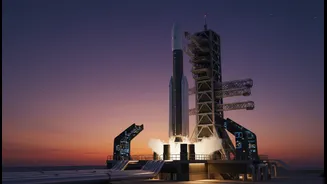




A Milestone Mission Called 'Aagaman'
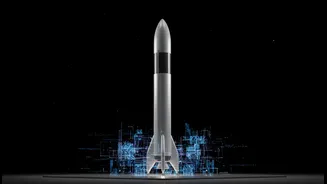
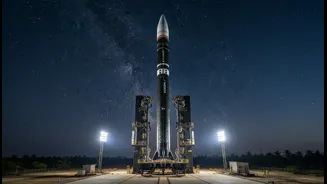
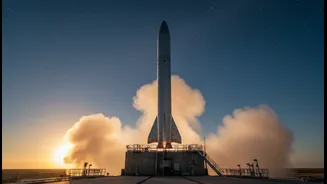
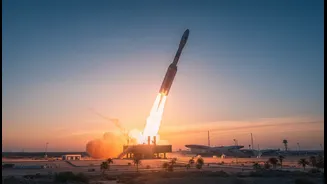
Skyroot Aerospace is preparing for the maiden launch of Vikram-1, India's first privately developed orbital rocket, with a launch scheduled for July 18, 2026. Named 'Mission Aagaman', meaning 'arrival', the event marks a pivotal moment for the nation's
commercial space industry. The seven-storey, multi-stage vehicle is designed to carry small satellites up to 350 kg into low-Earth orbit. A successful launch from the Satish Dhawan Space Centre in Sriharikota would make Skyroot one of the few private companies globally with orbital launch capability, placing India firmly on the world's commercial space map.
Beyond ISRO: A New Career Trajectory
For decades, a career in India's space sector was synonymous with a job at the Indian Space Research Organisation (ISRO). The rise of private players like Skyroot, Agnikul Cosmos, and Pixxel is fundamentally changing this dynamic. Since the government opened the sector to private participation in 2020, over 400 space startups have emerged. These companies are creating a parallel ecosystem of opportunities, offering roles that often involve more hands-on work and faster project timelines than in traditional government settings. This shift provides a compelling alternative for engineers and scientists who previously saw ISRO as their only option.
The Direct Job Blast-Off
The most immediate impact of missions like Vikram-1 is direct job creation. Skyroot, founded by former ISRO scientists, is actively hiring across a spectrum of highly skilled roles. Job postings include positions for aerospace, mechanical, and electronics engineers, with a focus on disciplines like propulsion, avionics, guidance and control (GNC), and flight software development. These are not just simulation-based roles; engineers are directly involved in designing, building, and testing the hardware that flies. This startup culture demands a versatile skill set and offers a chance for individuals to have significant ownership over critical mission components.
The Ripple Effect on the Supply Chain
A single rocket launch is a massive collaborative effort. Skyroot's Vikram-1 mission, for example, involved the work of about 1,000 people and over 400 suppliers. This illustrates the powerful 'ecosystem effect' at play. The demand for specialised components—from carbon-composite structures to 3D-printed engines and advanced electronics—stimulates growth and employment in a wide network of ancillary businesses. As private launch activity increases, this entire supply chain, including established giants like Larsen & Toubro and HAL, is set to expand, creating jobs in manufacturing, logistics, and quality assurance.
New Skills for a New Space Age
The private space industry requires a blend of traditional aerospace knowledge and modern tech fluency. Proficiency in software like C/C++ and Python, and tools like MATLAB and CAD, are essential. Furthermore, there is a growing demand for specialists in areas that are transforming the industry, such as AI, machine learning for data analytics, advanced materials science, and embedded systems. Unlike the more siloed roles in larger organisations, startups often seek engineers who can work across disciplines, combining hardware and software expertise to solve complex problems under pressure.
From Brain Drain to Brain Gain
The excitement and opportunity within India's private space sector are creating a compelling reason for top talent to stay in the country. For years, many of India's brightest engineering graduates sought opportunities abroad. Now, with well-funded, technically credible startups tackling ambitious projects like Vikram-1, there are high-stakes, globally competitive career paths available at home. The growth of this sector, projected to expand India's space economy from $8.4 billion to over $40 billion by the next decade, signals a long-term trend that could reverse brain drain and establish India as a global hub for space technology talent.