




The End of the Epic Annual Holiday
For generations, the Indian holiday was a grand, once-a-year production. It involved saving up leave, extensive planning, and often, a return to work more tired than when you left. That model is quickly being replaced by a more agile and rewarding approach:
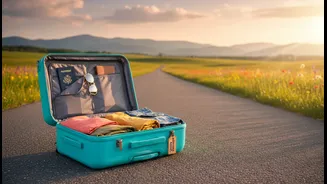
the mini escape. Sometimes called a 'micro-cation', this involves taking short, intentional trips of two to four days throughout the year. Instead of one big splash, travellers are opting for a series of refreshing dips. This isn't just about convenience; it's a fundamental change in how people view leisure, prioritising regular rejuvenation over rare, high-stakes holidays. The data backs this up, with reports showing a significant rise in domestic trips lasting just a couple of nights, many booked spontaneously within days of departure.
Why Smaller and More Frequent is Smarter
The logic behind the mini escape boom is compelling. Firstly, it's a powerful antidote to modern burnout. Research suggests the mental health benefits of a long vacation fade quickly, while more frequent, shorter breaks provide a more consistent boost to well-being and productivity. Secondly, it’s often more budget-friendly. By swapping one large expense for several smaller ones, travel becomes more financially manageable throughout the year. These trips also reduce the stress of planning. With less time to fill, the focus shifts from ticking off a long list of sights to having a quality experience, whether that's a relaxed staycation in a city hotel, a trek in the nearby hills, or exploring a local heritage town. In a fast-paced world, the efficiency of a short, impactful break is a luxury in itself.
The Forces Driving the Shift
Several factors have converged to fuel this trend. The rise of remote and hybrid work models has untethered many professionals from their desks, making it possible to blend work with travel. A professional can now finish a work week from a cafe with a mountain view. Improved infrastructure, from new expressways to better regional air connectivity, has made many destinations more accessible for a weekend trip. The post-pandemic era has also instilled a greater appreciation for domestic travel, with Indians exploring the richness of their own country with renewed enthusiasm. Social media plays a role too, inspiring spontaneous trips to photogenic locations just a drive away. This isn't just a metro phenomenon, either; travellers from Tier-2 and Tier-3 cities are a major part of this boom, using their increased connectivity and income to embrace the mini-break lifestyle.
Quality Over Quantity: The New Luxury
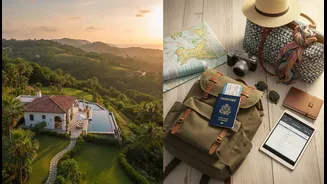
Interestingly, shorter does not mean cheaper in a qualitative sense. Travellers on mini escapes are often spending more per night on premium experiences. Reports show that a majority of these bookings are for four and five-star properties, boutique hotels, and unique homestays. The logic is simple: if you are only away for two nights, you can afford to make them special. This has led to the rise of curated experiences, from wellness retreats and culinary trails to stays in private villas and heritage properties. Luxury is no longer about distance or duration, but the quality of the experience and the ease of the escape. Even city hotels are rebranding as destinations for luxurious urban staycations.
Planning Your Own Mini Escape
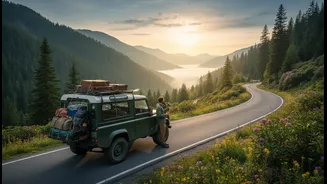
Embracing this trend is simple. Start by looking at a map and drawing a three-to-four-hour travel radius around your city. You will likely find a wealth of options, from hill stations and beach towns to wildlife sanctuaries and spiritual centres. Popular choices include weekend drives to the Western Ghats from Mumbai, exploring the forts around Jaipur, or quick retreats to the hills from Delhi. The key is to keep it simple. Pack light, resist the urge to over-schedule, and focus on the primary goal: to disconnect and recharge. Whether it’s a solo trip for a mental reset, a romantic getaway, or a spontaneous family adventure, the mini escape offers a flexible and deeply rewarding way to travel.