



The Great Wardrobe Reset
Not long ago, the urban professional's wardrobe was distinctly divided. There were the starched formals for the office and the relaxed attire for home. The pandemic, however, served as a catalyst for a major reset. As work-from-home and hybrid schedules
became the norm, the demand for clothing that could seamlessly transition between a Zoom call, a quick errand, and lounging on the sofa skyrocketed. This shift wasn't just about wearing pyjamas all day; it was about finding a new sartorial middle ground. Consumers started demanding more from their clothes. The question was no longer just 'Does this look good?' but also 'Does this feel good and work for my entire day?'. This has led to the rise of 'workleisure'—a blend of work-appropriate clothing with the comfort and ease of leisurewear, marking a permanent change in our approach to dressing.
Fabrics That Breathe and Move
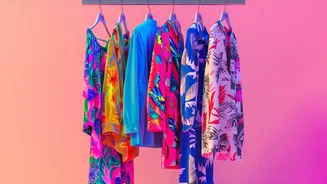
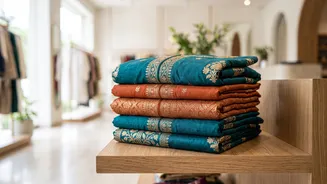
At the heart of this functional fashion movement is a renewed appreciation for high-quality, breathable fabrics. Indian consumers, long familiar with the benefits of natural fibres for the climate, are now seeking them out in modern silhouettes. Cotton, cherished for its softness and breathability, remains a king. Linen is also gaining significant popularity for its cooling properties and relaxed yet sophisticated texture. Beyond these classics, there's a growing interest in innovative materials like Tencel, Modal, and advanced polyester blends that offer moisture-wicking properties, stretch, and durability without sacrificing a polished look. The focus has moved from heavy, restrictive materials to lightweight fabrics that allow for movement and airflow, ensuring comfort during a long day of varied activities.
The Rise of Smart, Relaxed Silhouettes
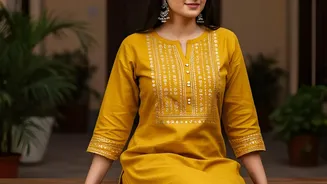
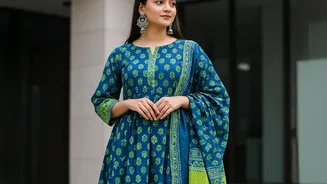
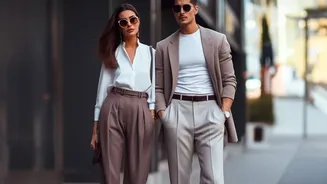
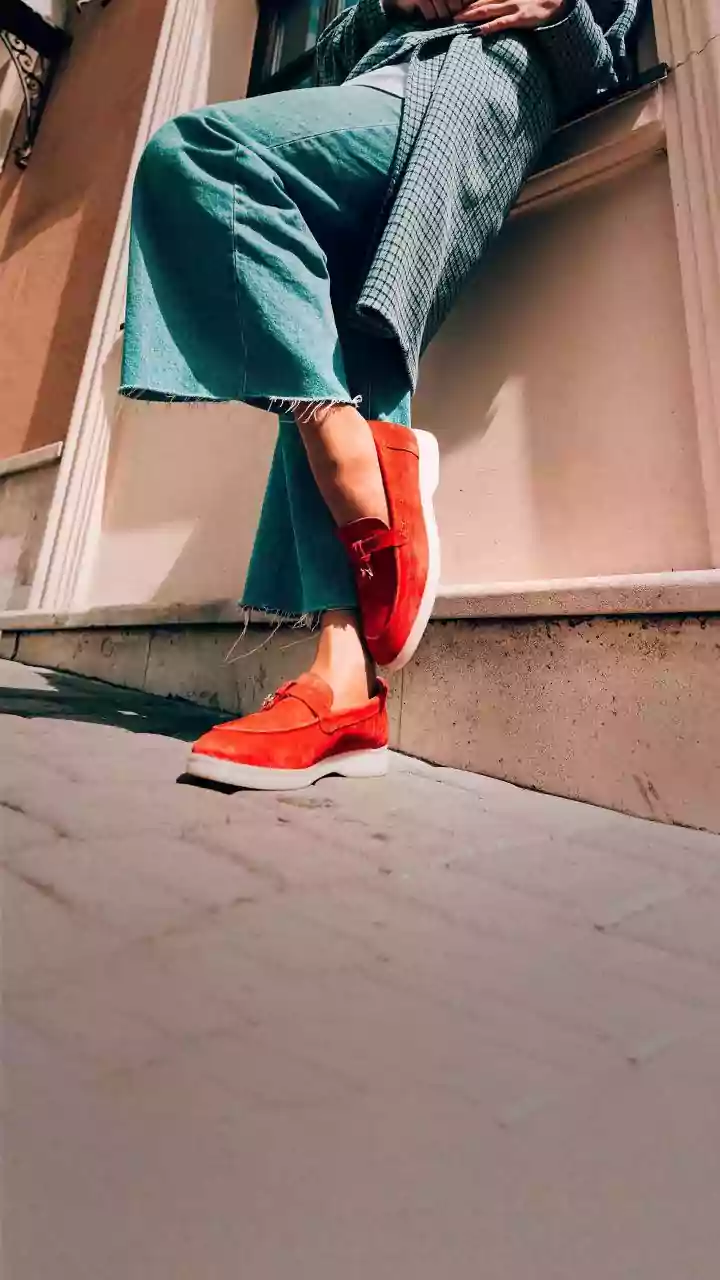
This new emphasis on comfort is visibly changing the shapes hanging in our closets. Stiff, structured garments are making way for relaxed and versatile silhouettes. Co-ord sets, once a niche item, are now a mainstream staple, offering a put-together look with zero effort. Wide-leg trousers, smart joggers, and relaxed-fit pants are replacing restrictive tailored options. For women, the ever-versatile kurta is being reimagined in contemporary cuts and paired with everything from jeans to palazzos. For men, the move is towards unstructured blazers, smart polo shirts, and comfortable chinos that look sharp but don't feel restrictive. These styles prioritize ease of movement and a flattering drape, proving that comfort doesn't have to mean looking sloppy or underdressed.
Homegrown Brands Lead the Charge
Tuning into this evolving consumer mindset, a new wave of homegrown, direct-to-consumer (D2C) brands are leading the charge. Labels like FableStreet and The Pant Project have built their businesses around solving the modern Indian professional's wardrobe dilemmas, focusing on functional designs, data-driven fits, and quality fabrics. Many of these brands champion the idea of a versatile, capsule wardrobe with pieces that can be mixed and matched. They understand that today’s consumer is looking for value that goes beyond just the price tag; they want clothes that are durable, timeless, and align with a more conscious and practical approach to consumption. This has created a vibrant market where Indian brands are not just following global trends but are innovating for the specific needs of the local consumer.