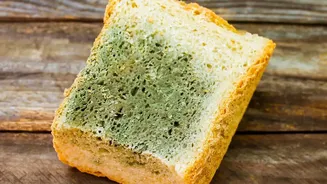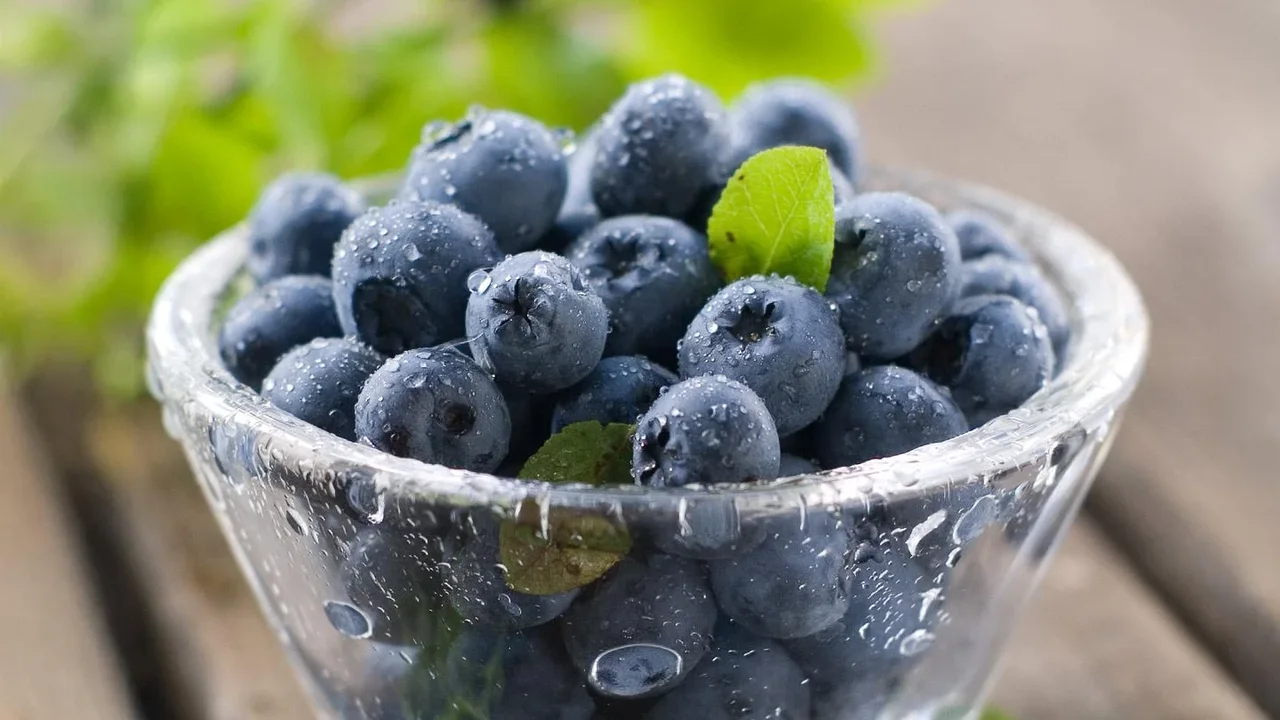




It’s a familiar story: you buy a beautiful clamshell of fresh berries, only for them to turn into a fuzzy, moldy mess in just a few days. But a simple kitchen staple holds the key to making them last significantly longer.
The Science of Spoilage
Delicate berries like strawberries,
raspberries, and blueberries are particularly susceptible to spoilage for a few key reasons. Their thin, porous skins are easily bruised, creating entry points for microscopic mold spores and bacteria that are naturally present in the air and on the fruit itself. The high moisture content of berries creates an ideal environment for these microorganisms to thrive, leading to the rapid appearance of that dreaded white or gray fuzz, often caused by the Botrytis cinerea fungus. Once one berry starts to mold, the spores can quickly spread to its neighbors in the container, leading to a chain reaction of decay.
Why Vinegar Is Your Secret Weapon
The hero in this food-saving hack is simple distilled white vinegar. Vinegar’s power comes from its main component, acetic acid. This acid creates a hostile, low-pH environment that is highly effective at killing many types of bacteria and, most importantly, the mold spores that cause berries to rot. A quick soak in a diluted vinegar solution essentially disinfects the surface of the berries, removing the culprits behind their premature demise. This allows you to store them with confidence, knowing you've eliminated the primary cause of spoilage before it can even start.
The Simple Three-Step Berry Bath
Ready to extend the life of your berries by days, or even a week or more? Follow this easy process. First, create your washing solution by mixing one part distilled white vinegar with three or four parts cool water in a large bowl. A common ratio is one cup of vinegar to three or four cups of water. Next, submerge your berries in the solution and let them soak for about five to ten minutes, gently swishing them around to ensure all surfaces are treated. Finally, and this step is crucial, drain the berries in a colander and rinse them thoroughly under cool, running water. This will wash away any residual vinegar, so your fruit won't have any lingering taste or smell.
The Most Important Final Step: Drying
After their bath, your berries must be dried completely. Moisture is the enemy of freshness, and storing damp berries will counteract all your hard work. The most effective method is to use a salad spinner lined with a few layers of paper towels. Place the rinsed berries inside and give them a gentle spin for about 15 seconds. This wicks away the water without bruising the delicate fruit. If you don't have a salad spinner, you can spread the berries in a single layer on a clean kitchen towel or paper towels and gently pat them dry, allowing them to air-dry completely before storage.
Smart Storage for Maximum Freshness
Once your berries are clean and bone-dry, proper storage is the final piece of the puzzle. The original plastic clamshell they came in often traps moisture. Instead, transfer the berries to a clean container lined with a dry paper towel. This towel will absorb any excess condensation that might form in the refrigerator. Ensure the container is not sealed airtight; leaving the lid slightly ajar allows for airflow, which helps keep the environment dry. Storing them in a single layer, if possible, also prevents them from crushing each other. With this method, you can expect strawberries to last up to a week or more, and heartier blueberries can last for nearly two weeks.