



The Heart of the Problem
India is facing a silent epidemic of hypertension. Current estimates show that Indians consume 8 to 11 grams of salt daily, which is nearly double the World Health Organization's recommended limit of 5 grams. This high sodium intake is a primary driver
of high blood pressure, significantly increasing the risk of cardiovascular diseases like heart attacks and strokes, which are leading causes of death in the country. Studies show more than one in four adults has hypertension, but a staggering number are unaware of their condition. With nearly 80% of this excess sodium coming from salt added during cooking at home, experts believe that household-level interventions could have a massive impact.
What Experts Are Proposing
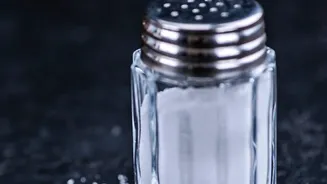
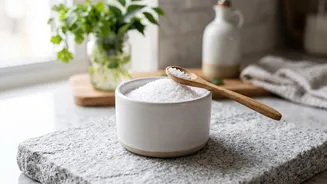
A growing consensus of medical experts, cardiologists, and public health bodies are recommending a nationwide shift to potassium-enriched low-sodium salt substitutes (LSSS). This isn't a complex medical procedure but a simple dietary change. LSSS is created by replacing a portion of the sodium chloride (regular salt) with potassium chloride, typically in a 70-75% sodium to 25-30% potassium ratio. The result is a product that looks, tastes, and cooks just like regular salt but carries a dual benefit: it reduces harmful sodium intake while simultaneously increasing the intake of potassium, a mineral known to help lower blood pressure. Experts have called it a 'dietary vaccine' for its potential to provide passive, round-the-clock cardiovascular protection without asking people to sacrifice taste.
The Affordability Question
For any public health initiative to succeed in India, it must be affordable. This is where the proposal for low-sodium salt hits its first major hurdle. While standard iodised salt is a low-cost commodity, potassium-enriched versions are often priced significantly higher. A search across various markets shows a wide price disparity. Generic low-sodium salt can be found for as low as ₹10-20 per kilogram, but branded and specialised products like 'Lo Salt' can cost upwards of ₹275 per kilogram. Tata Salt Lite, a popular option, is frequently priced around ₹32-42 per kilogram, which is still double the cost of its regular counterpart. For millions of households operating on tight budgets, asking them to pay a premium for a daily essential, no matter the health benefit, is a significant barrier.
The Challenge of Availability
Beyond price, there's the issue of simply being able to find it. While low-sodium salt is readily available in supermarkets and online stores in major metropolitan areas like Delhi, Mumbai, and Ahmedabad, its presence thins out considerably in smaller towns and neighbourhood kirana stores. These small, local shops are the backbone of grocery retail for a vast majority of Indians, and their inventory is driven by high-volume, low-margin products. Stocking a slower-moving, more expensive variety of salt may not be a priority. For a national strategy to be effective, it would require a massive push in the supply chain to ensure these healthier alternatives are just as accessible as regular salt, from the hypermarket in a big city to the smallest local shop in a tier-3 town.
Balancing Health Benefits and Practical Hurdles
The potential health benefits are undeniable. Modelling studies estimate that a nationwide switch to LSSS could prevent between 200,000 and 400,000 deaths from cardiovascular disease in India annually. Even with concerns about potential risks for individuals with advanced kidney disease, studies show the net benefits for the population are overwhelmingly positive. To make this a reality, experts suggest a multi-pronged approach. This includes getting LSSS officially recognised as an 'edible salt' category by the Food Safety and Standards Authority of India (FSSAI) to streamline regulation and production. Another key recommendation is to use public procurement systems—for programmes like mid-day meals and the Public Distribution System (PDS)—to build volume, normalise use, and eventually bring down costs for everyone.