







The Allure of the 'Superfood'
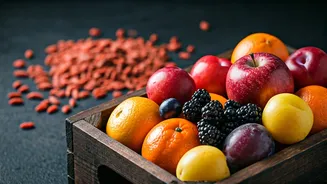
Walk into any high-end grocery store, and you'll see them: beautifully packaged bags of quinoa, powders of maca root, and tiny, expensive cartons of blueberries. These are 'superfoods'—a marketing term for nutrient-dense foods believed to offer exceptional
health benefits. While it's true that many of these items, from acai to chia seeds, are packed with antioxidants, vitamins, and minerals, they also come with a hefty price tag and a significant carbon footprint from being flown across the world. The superfood trend has convinced many of us that wellness is something you import, rather than something you can cultivate from your own soil. But is a fruit's value truly determined by its exotic origin and marketing budget?
The Nutritional Power of Local Produce
Let’s bust a major myth: nutritional superiority isn’t exclusive to expensive imports. Many of our everyday, seasonal Indian fruits are nutritional powerhouses that can easily rival, and often surpass, their trendy counterparts. Take the humble amla (Indian gooseberry). A single amla contains nearly 20 times the vitamin C of an orange. Similarly, the deep purple jamun, available during the monsoon, is loaded with anthocyanins—the same powerful antioxidants praised in blueberries—but is far more accessible and affordable. Guavas are another champion, offering more vitamin C than kiwis and a hefty dose of dietary fibre. The key is that these fruits are consumed fresh, which is crucial for nutrient preservation.
Freshness Equals Potency
A 'superfood' that has travelled for weeks in a refrigerated container is not at its peak. Fruits and vegetables begin to lose their nutritional value the moment they are harvested. Vitamins, especially sensitive ones like vitamin C and folate, degrade over time with exposure to heat, air, and light. Seasonal fruits, on the other hand, have a much shorter journey from farm to table. They are picked at the peak of their ripeness, when they are most flavourful and nutrient-dense. This inherent freshness means you're getting more of the good stuff—the very reason you're eating fruit in the first place. That mango that was on a tree yesterday is simply more vital than a berry that was in a shipping container last week.
Your Wallet Will Thank You
The economic argument is perhaps the most compelling. A small 125-gram punnet of imported blueberries can cost anywhere from ₹300 to ₹500. For the same price, you could buy several kilograms of seasonal bananas, guavas, or papayas. When fruits are in season, they are abundant, which naturally drives down their cost. Eating seasonally isn’t just a wellness strategy; it’s a smart financial decision. You can fill your diet with a wide variety of vitamins and minerals without having to allocate a special budget for 'health foods'. Good nutrition should be accessible to everyone, not just those who can afford premium imports.
A Kinder Choice for the Planet
The environmental cost of our food choices is becoming increasingly important. Superfoods often rack up thousands of 'food miles' being transported by air and sea, contributing to greenhouse gas emissions. They also require extensive packaging to survive the long journey. In contrast, buying local, seasonal produce supports local farmers and reduces the carbon footprint of your diet. It’s a sustainable practice that strengthens the local economy and fosters a healthier relationship with our environment. By choosing a watermelon in the summer and sitaphal (custard apple) in the winter, you are eating in harmony with nature’s cycles.