



The New Backpacker Trail
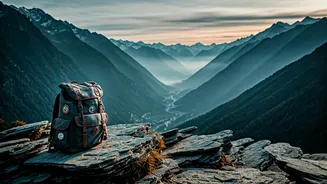
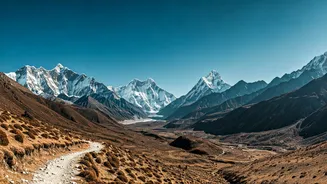
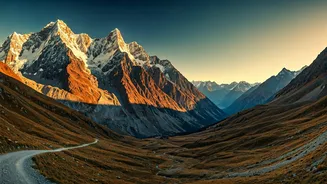
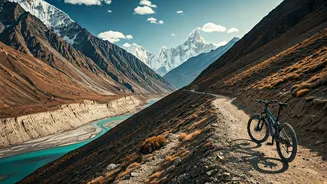
Something is stirring in the thin mountain air. In sleepy, high-altitude towns across the Indian Himalayas—places like Spiti Valley in Himachal Pradesh or remote villages in Uttarakhand—a new type of traveler is becoming a common sight. They’re young,
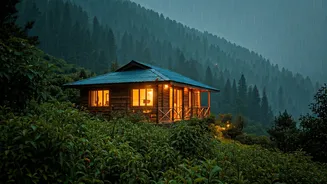
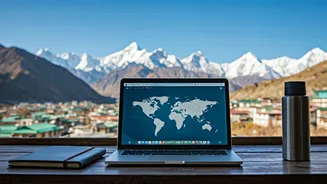
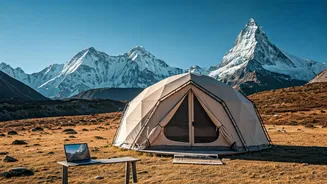
often solo, and carrying a laptop alongside their trekking poles. Local guesthouse owners and café proprietors report a noticeable uptick in bookings from travelers under 25. These aren't the traditional spiritual seekers or hardcore mountaineers of decades past. This is Gen Z, a generation supposedly glued to their screens, actively seeking out some of the most disconnected places on Earth. Hostels and homestays that once catered to a trickle of adventurous backpackers are now buzzing with the energy of young creatives, coders, and students looking for something more than a standard vacation.
A Quest for Authenticity, Not Just Likes
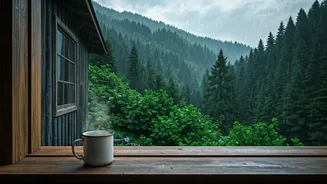
While it's easy to assume this trend is driven by the desire for a unique Instagram post, the motivation appears to be deeper. Raised in a hyper-curated digital world, many Gen Z travelers express a kind of burnout with performative social media culture. The arduous journey to these Himalayan outposts acts as a filter; it's a deliberate choice for disconnection and introspection. They aren't just visiting; they are embedding themselves for weeks, sometimes months. The appeal lies in the authenticity: sharing a meal with a local family, learning to make momos, or spending an afternoon reading in a sun-drenched monastery courtyard. It’s a rejection of the packaged, all-inclusive resort experience in favor of something slower, more meaningful, and perceived as more 'real.' The difficult Wi-Fi isn't a bug; for many, it's a feature.
The 'Work from Mountaintop' Phenomenon
This trend wouldn't be possible without the seismic shift in work culture. The pandemic normalized remote work, and Gen Z, entering the workforce in this new reality, has fully embraced the 'work from anywhere' ethos. For them, "anywhere" isn't just a different neighborhood coffee shop—it's a different continent. The proliferation of surprisingly decent Wi-Fi in formerly isolated villages has created a new class of digital nomad. A freelance graphic designer or startup employee can now finish a project with a view of a 20,000-foot peak. This fusion of work and travel allows for extended stays that were previously unimaginable for anyone but the independently wealthy, making profound cultural immersion financially accessible to a younger, more mobile generation.
A Double-Edged Dagger for Locals
The influx of young, long-stay travelers is a complex issue for these fragile mountain communities. On one hand, it brings a vital economic boost. Money from homestays and cafes flows directly to local families, providing income in regions with few other opportunities. It encourages the preservation of local culture, as travelers are often seeking exactly that. However, the surge also brings challenges. The demand for modern amenities strains limited resources like water and electricity. There's a risk of what's been called 'Overtourism's quiet cousin'—the slow erosion of local culture as it adapts to serve a transient Western audience. The environmental impact is also a concern, as increased traffic and waste threaten the pristine landscapes that attracted travelers in the first place. For these Himalayan towns, the Gen Z surge is both a lifeline and a warning.