






The Monsoon Menace for Paws
July in India brings the much-awaited monsoon, but the persistent dampness and high humidity create a perfect storm for skin issues in our canine companions. While we see relief from the heat, the environment becomes a thriving breeding ground for microscopic
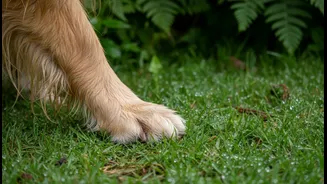
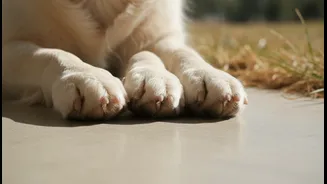
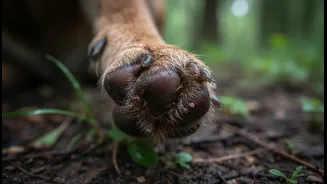
organisms. Fungi, particularly a yeast called Malassezia, flourish in warm, moist conditions. Your dog's paws are on the front lines, constantly in contact with wet grass, muddy puddles, and damp pavement. The moisture that gets trapped between their toes and in the fur around their paw pads becomes an incubator for fungal overgrowth.
Understanding Fungal Dermatitis
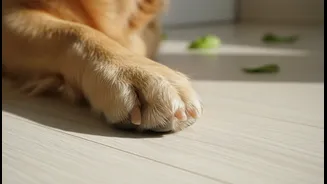
This condition, often called Malassezia dermatitis, is an inflammatory skin issue caused by an overgrowth of the Malassezia pachydermatis fungus. This yeast is a normal inhabitant of your dog's skin and typically causes no harm. However, when the skin's natural balance is disrupted — often by excessive moisture — this harmless yeast can multiply uncontrollably, leading to an infection. The area between the paw pads is especially vulnerable because it traps moisture and warmth, making it an ideal environment for the fungus to proliferate. It's important to know this condition isn't contagious; your dog won't catch it from another animal. It is an opportunistic infection that takes hold when conditions are right.
Signs Your Dog Is in Discomfort
A fungal infection in the paws is extremely uncomfortable and itchy for your dog. One of the most common signs is persistent licking, chewing, or biting at the paws as they try to soothe the irritation. This constant licking, unfortunately, adds more moisture to the area, creating a vicious cycle that worsens the infection. Other tell-tale symptoms to watch for include: redness and inflammation, especially between the toes; a musty or cheesy odour from the paws; brownish or reddish staining on the fur from saliva; and skin that appears scaly, crusty, or greasy. In more advanced cases, the skin may thicken, and your dog might limp or seem reluctant to walk due to pain.
Your Post-Walk Prevention Protocol
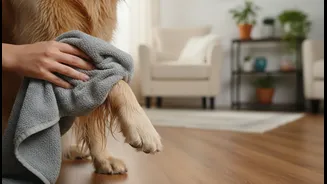
The single most effective step you can take is to meticulously dry your dog's paws after every single walk, especially during the monsoon. A quick swipe with a towel isn't enough. Use a clean, absorbent towel and make a conscious effort to dry between each toe and around every pad. For dogs with longer fur, you may need to trim the hair around the paws to improve airflow and prevent moisture from getting trapped. Some vets even suggest using a hairdryer on a low, cool setting to ensure the area is completely dry, which is particularly helpful for dogs with thick coats. This simple, two-minute addition to your routine is a powerful defence against fungal flare-ups.
When Prevention Isn't Enough
If you spot the signs of fungal dermatitis, it's crucial to consult a veterinarian for an accurate diagnosis and treatment plan. Self-diagnosing can be risky, as other conditions can present with similar symptoms. A vet can confirm the presence of a yeast overgrowth, often by examining a skin sample under a microscope. Treatment typically involves medicated solutions to manage the infection. Your vet may prescribe antifungal shampoos, wipes, or creams for topical application. These treatments often require consistent use for several weeks to be effective. For severe or recurring infections, oral antifungal medications might be necessary.