


Stuck in a culinary rut of rice and pasta? It's easy to fall back on the familiar, but a world of flavour, texture, and powerful nutrition awaits in the form of ancient grains. These staples are your ticket to more exciting and wholesome meals.
What Exactly Are Ancient Grains?
The term
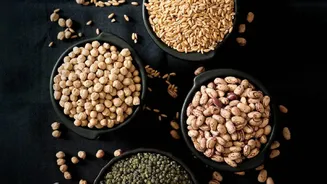
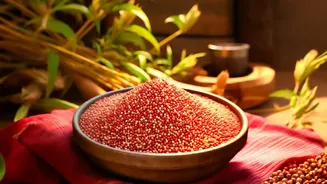
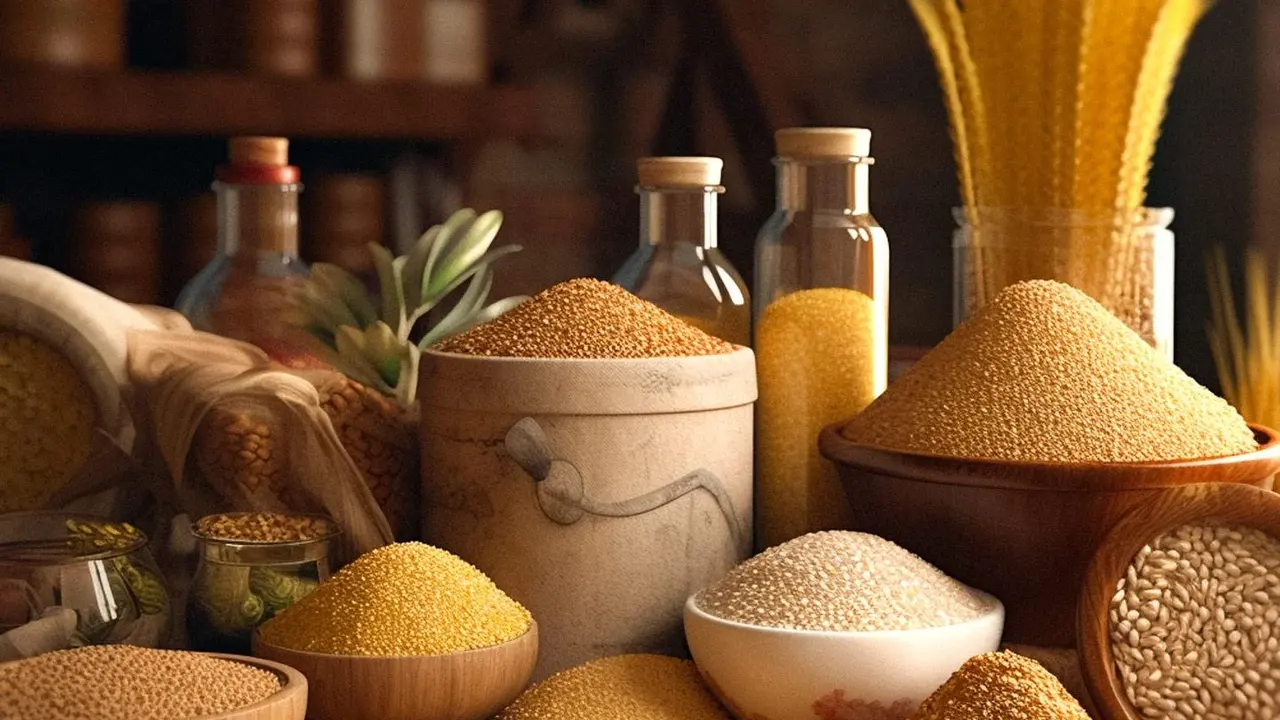
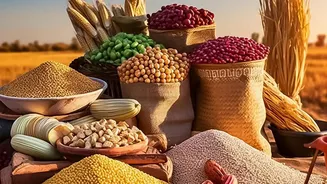
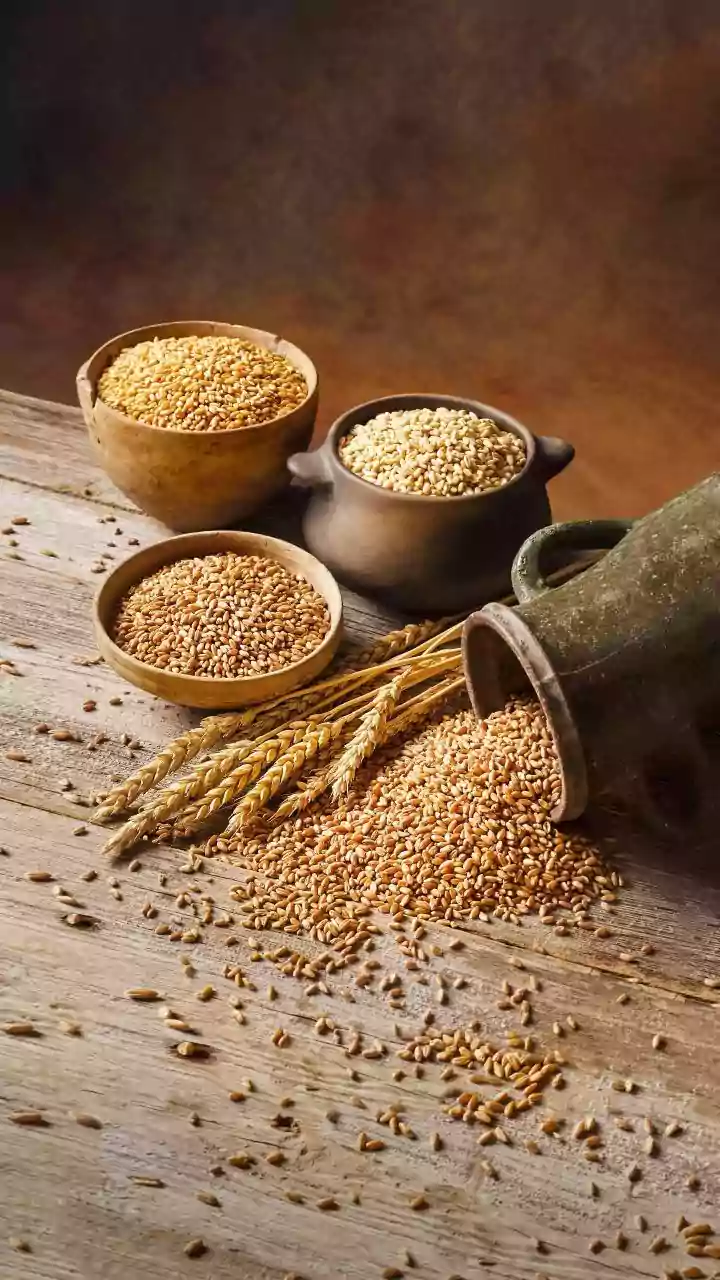
'ancient grains' is more of a marketing descriptor than a strict botanical classification. It generally refers to a group of grains and pseudocereals (seeds consumed like grains) that have remained largely unchanged for hundreds or even thousands of years. Unlike modern wheat, which has been extensively bred, these grains are closer to their original forms. This category includes true grains from the grass family, like farro, millet, and sorghum, as well as pseudocereals like quinoa, amaranth, and buckwheat. Their recent surge in popularity is due to their impressive nutritional profiles and their ability to add new dimensions to everyday cooking.
A Nutritional Upgrade for Your Pantry
Ancient grains are generally considered nutritional powerhouses. Because they tend to be less processed, they often pack more protein, fibre, vitamins, and minerals than their more refined counterparts. This high fibre content aids digestion, helps regulate blood sugar by slowing the conversion of starches, and can keep you feeling full longer. Many are rich in minerals like magnesium, iron, and zinc. Quinoa, for instance, is a complete protein, meaning it contains all nine essential amino acids. Amaranth is also noted for its high protein content.
Your Starter Guide to Popular Grains
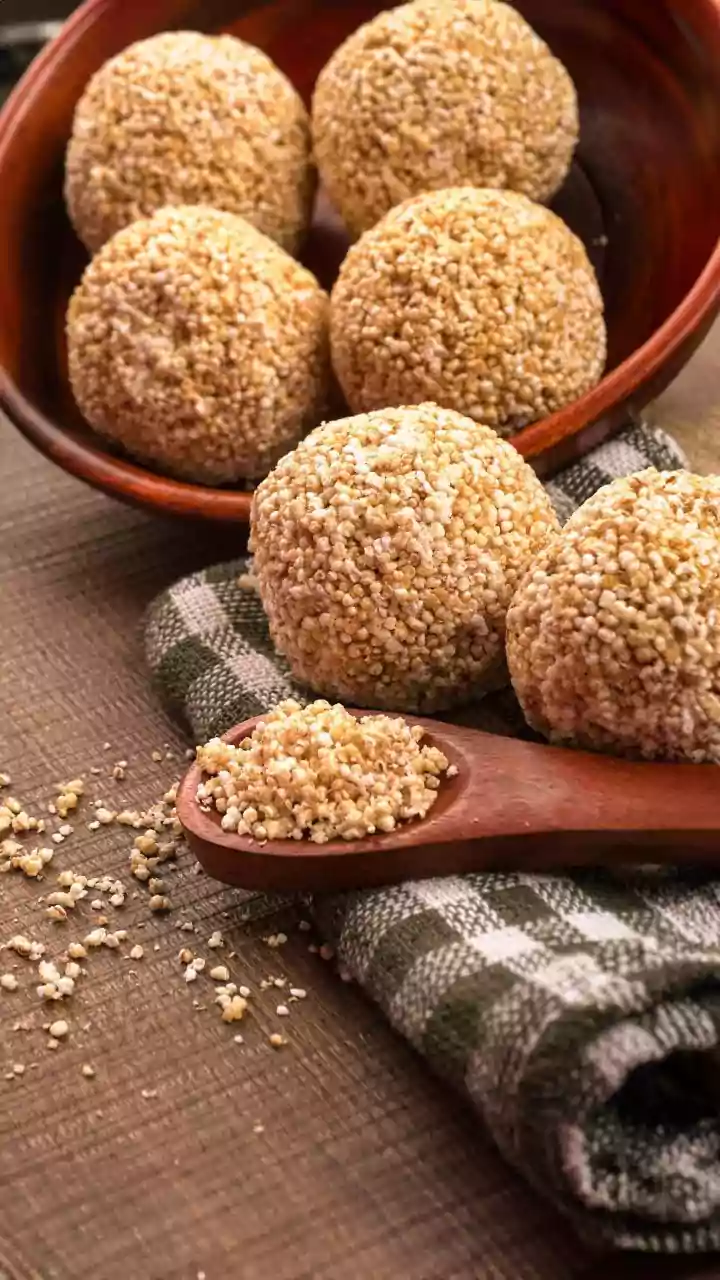
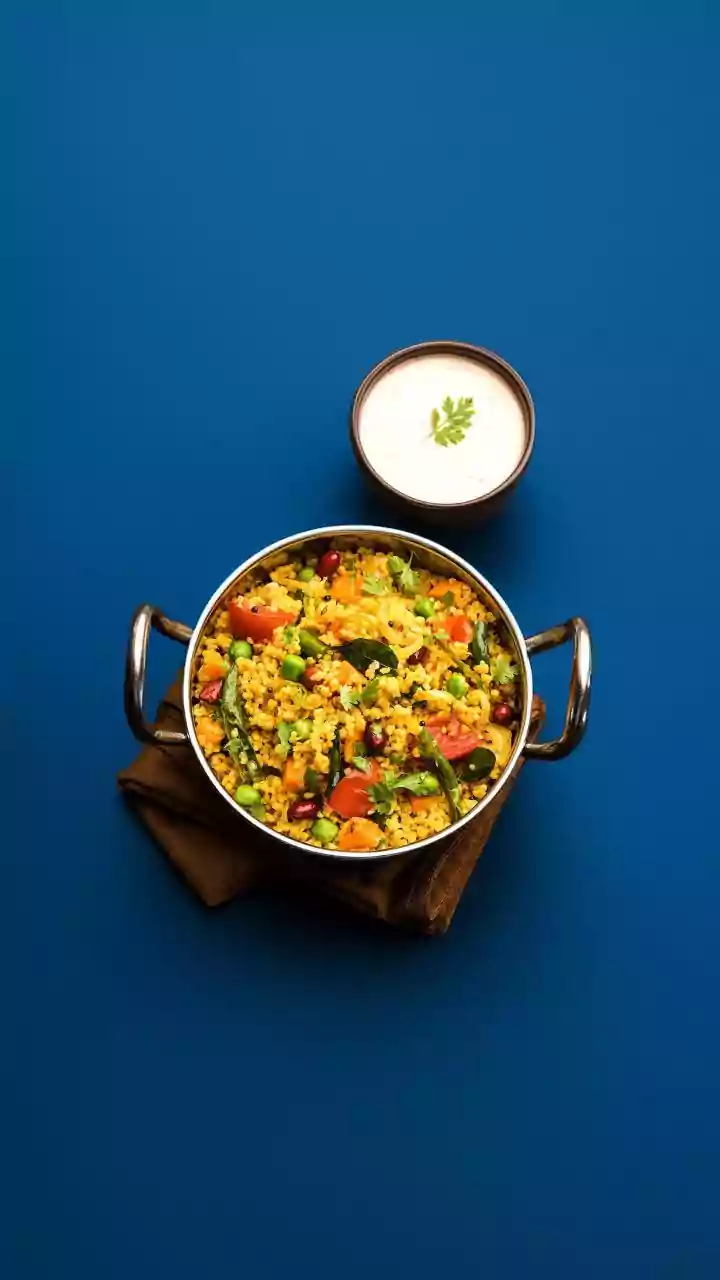
Ready to dive in? Here are a few popular and versatile ancient grains to get you started. Quinoa: A small, seed-like grain with a slightly nutty flavour. It cooks up light and fluffy. A true multitasker, quinoa works well in salads, as a base for grain bowls, or as a substitute for rice. Remember to rinse it before cooking to remove its natural bitter coating, called saponin. Farro: This ancient wheat variety has a delightfully chewy texture and a nutty taste. It’s fantastic in hearty salads, soups, and risottos (sometimes called 'farrotto'). Millet: Often associated with birdseed, millet is a wonderful gluten-free grain for human consumption, too. It has a mild, slightly sweet flavour and can be cooked to a creamy consistency for porridge or made fluffy for pilafs. Sorghum: A staple in parts of Africa and India, this gluten-free grain has a hearty, chewy texture. It can be cooked and used in salads or pilafs, and its whole kernels can even be popped like popcorn. * Amaranth: This tiny, gluten-free pseudocereal has an earthy, peppery flavour. When cooked, it can become creamy and thick, making it a good choice for porridge or as a thickener for soups.
Essential Cooking Tips
Cooking ancient grains is no more difficult than cooking rice. The basic method is to simmer the grain in a liquid until it's tender and the liquid is absorbed. However, a few tips can elevate your results. 1. Rinse First: Always rinse grains like quinoa and amaranth under cool water to wash away any bitter or soapy residue. 2. Toast for Flavour: For a deeper, nuttier taste, try toasting grains like farro or millet in a dry pan for a few minutes before adding your cooking liquid. 3. Use Broth, Not Water: Cooking grains in vegetable or chicken broth instead of plain water is an easy way to infuse them with flavour from the start. 4. Know Your Ratios: Water-to-grain ratios vary. A good starting point for many is 1 cup of grain to 2 cups of liquid, but check package instructions. For example, amaranth often requires more water. 5. Let It Rest: After the grain is cooked, let it stand, covered and off the heat, for about 10-15 minutes. This allows it to steam and absorb any remaining moisture, resulting in a better texture. Then, fluff with a fork before serving.
Easy Ways to Incorporate Them
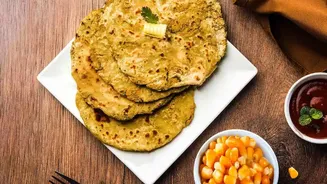
You don't need complex recipes to start enjoying ancient grains. Begin by making simple swaps. Use cooked farro or sorghum in place of rice for a side dish. Toss a cup of cooked quinoa into a green salad to make it a more substantial meal. Start your day with a warm bowl of millet or amaranth porridge, topped with fruit and nuts. Once you're comfortable, you can explore using their flours in baking or adding them to soups and stews for extra body and nutrition.