



A Star's Fiery Demise
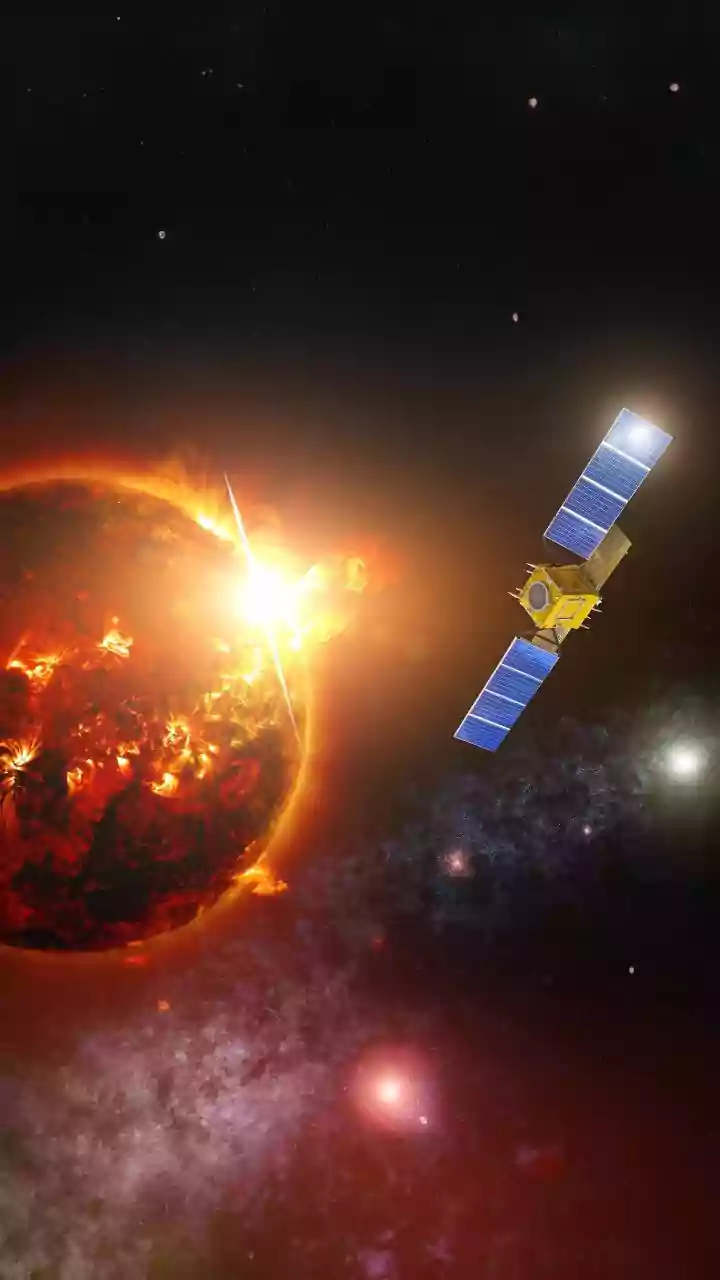
To understand why this planet's existence is so remarkable, we first need to look at the life cycle of a star like our Sun. As such stars age, they exhaust the hydrogen fuel in their core. Gravity then causes the core to collapse, which in turn heats
up the outer layers, causing the star to swell enormously into a red giant. This expanding "stellar envelope" of gas can grow large enough to engulf any nearby planets. For our own solar system, this means Mercury, Venus, and possibly even Earth will one day be consumed by our Sun. After shedding its outer layers, all that remains of the star is its incredibly dense, hot core—a white dwarf. This stellar remnant is about the mass of the Sun packed into a body only slightly larger than Earth.
The Puzzle of the Survivor Planet
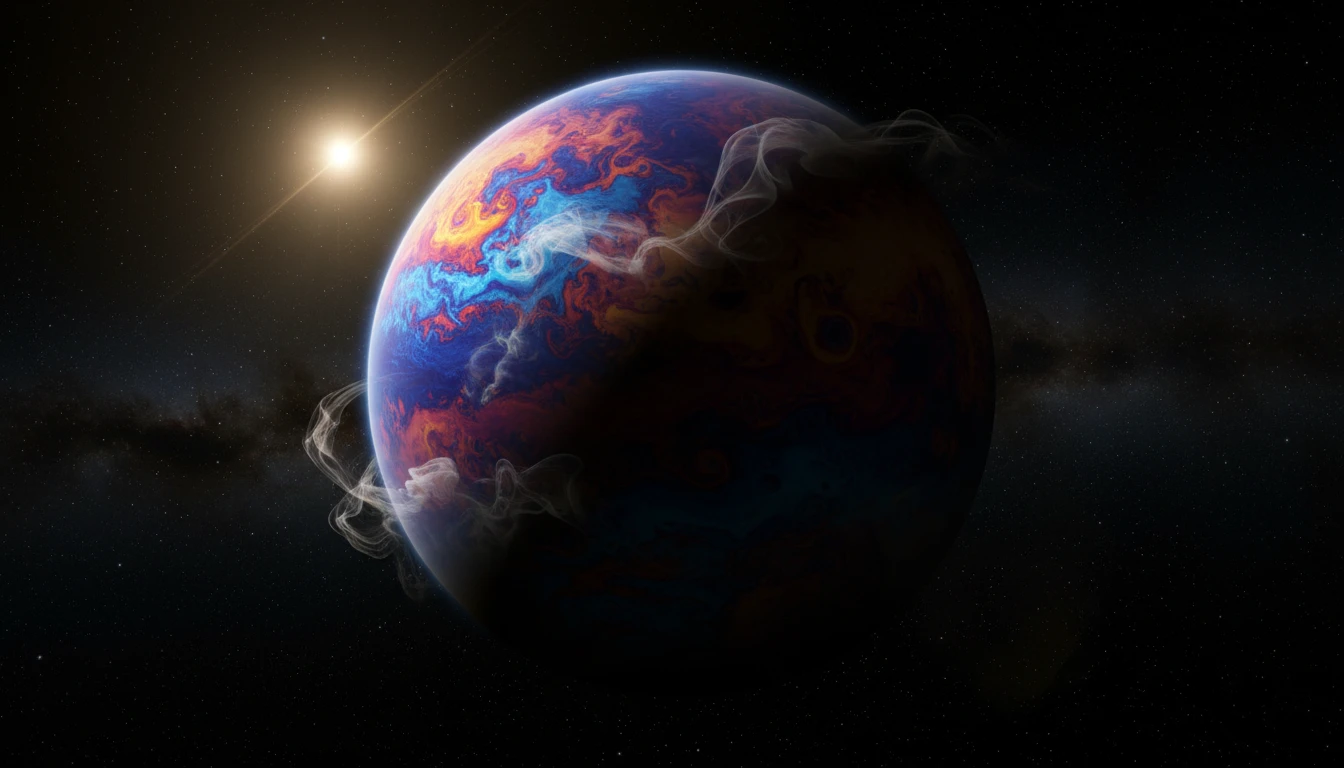
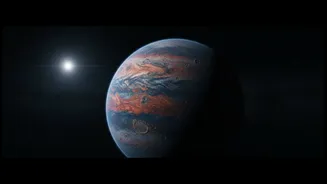
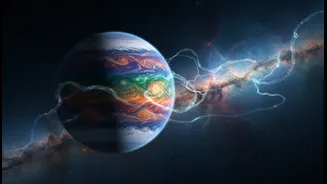
The planet in question, known as WD 1856 b, is a gas giant several times the size of Jupiter. It orbits its white dwarf star at an astonishingly close distance, completing a full circle in just 34 hours. This is where the mystery deepens. According to our understanding of stellar evolution, any planet this close to its star would have been inside the red giant's envelope and should have been incinerated. Its survival presents astronomers with two main theories. The first, more dramatic possibility is that the planet was engulfed by the star but somehow managed to survive the journey through its outer layers, a process called "common envelope evolution." The second, and increasingly supported theory, is that the planet was originally in a much safer, more distant orbit and migrated inward billions of years after the star had already become a white dwarf.
Clues from a Distant Atmosphere
To solve this puzzle, scientists turned to the powerful James Webb Space Telescope (JWST) to study the planet's atmosphere. By analysing the light from the white dwarf as the planet passed in front of it, they were able to detect the chemical signatures in its air. These observations revealed an atmosphere that was surprisingly warm, with evidence of hydrocarbons like methane. The planet's high temperature suggests it was reheated at some point, long after its star died. This lends strong support to the migration theory. Scientists believe that the gravitational pull from other stars in what is a triple-star system could have nudged the planet onto its new, closer path long after the danger had passed.
A Glimpse into Our Own Future
The discovery of WD 1856 b is more than just a cosmic curiosity; it provides a potential preview of the long-term fate of our own solar system. In about five billion years, our Sun will also become a white dwarf. While the inner planets are doomed, the destiny of the outer gas giants like Jupiter and Saturn has been a matter of speculation. This survivor planet shows that it is possible for large planets to not only outlive their stars but also to end up in completely new and unexpected orbits. This discovery widens the possibilities for where we might find planets in the universe, suggesting that even the stellar graveyards of white dwarfs could host dynamic planetary systems.