






Why the Heartleaf Philodendron?
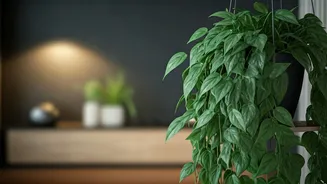
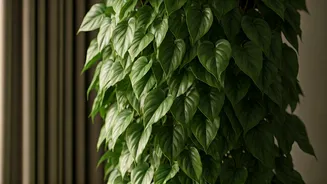
The star of this project is the Heartleaf Philodendron (Philodendron hederaceum), and for good reason. It's renowned as one of the easiest houseplants to grow, making it perfect for beginners and seasoned plant parents alike. Its name comes from its lovely,
heart-shaped leaves and its natural inclination is to trail or climb. These fast-growing vines can eventually reach lengths of 10 feet or more, making them ideal for creating a cascading green curtain. They are also highly adaptable, thriving in a range of light conditions from low to bright, indirect light, though they do best in a spot with bright, filtered sun. Direct sunlight can burn their delicate leaves, so a spot near a window but out of the harsh rays is perfect.
Gathering Your Supplies
The beauty of this project lies in its simplicity. You don’t need an extensive list of materials to get started. First, you'll need a healthy Heartleaf Philodendron. Choose one that is already starting to produce some trailing vines. You'll also need a curtain rod that is securely mounted to the wall. It's crucial to ensure your rod and its brackets can support the weight of the plant, especially after watering. If you're concerned about weight, start with a smaller plant. Finally, you’ll need a way to guide the vines. Small, clear Command hooks or soft plant ties are excellent, non-damaging options for this.
Creating Your Green Curtain
Begin by placing your Heartleaf Philodendron on a shelf or plant stand near one end of the curtain rod. The goal is to position the base of the plant so the vines can easily reach the rod. Once your plant is in place, you can start training the vines. Gently drape the longest stems over the curtain rod. To encourage them to grow along the rod rather than just hanging down, you can use your hooks or ties. Place a clear adhesive hook on the wall just above or behind the curtain rod and gently nestle a vine into it. You can also loosely loop a soft plant tie around the vine and the rod. The key is to guide, not force, the plant. Never tie the stems too tightly, as this can damage the plant and restrict its growth. Continue placing hooks or ties every foot or so, weaving the vines along the length of the rod.
Long-Term Care and Styling
Maintaining your living curtain is straightforward. Water your philodendron when the top inch or two of soil feels dry, typically every one to two weeks. Allow the water to drain thoroughly and never let the pot sit in a soggy saucer, which can lead to root rot. As the plant grows, you can continue to guide new vines along the rod, creating a fuller, more lush curtain effect. Don't be afraid to prune your plant. Trimming back leggy stems will encourage the plant to become bushier and fuller. You can easily propagate the cuttings in water to create new plants. Wiping the leaves with a damp cloth every so often will keep them free of dust and looking their glossy best.