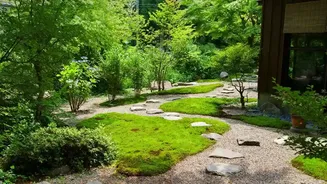


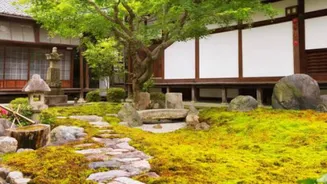
Bringing a touch of nature indoors can feel challenging in a compact apartment or home. Moss gardens offer a simple, beautiful solution, creating miniature green worlds on a desk or shelf with surprisingly little upkeep.
The Allure of a Miniature World
An indoor moss garden is more than
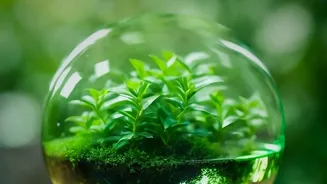
just a plant; it's a tiny, self-contained landscape. These displays, often housed in glass terrariums or shallow dishes, bring the serene feeling of a forest floor into your home. The appeal lies in their quiet beauty and simplicity. Unlike many houseplants, mosses are non-vascular plants that absorb moisture and nutrients through their leaves, not roots, making them uniquely suited for contained, humid environments. Beyond aesthetics, introducing greenery indoors can have a calming effect, helping to reduce stress and improve your overall sense of well-being. Moss gardens require minimal space, making them an ideal green accent for anyone looking to connect with nature without committing to large, demanding plants.
Choosing the Right Moss
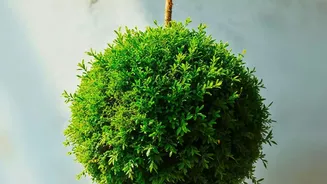
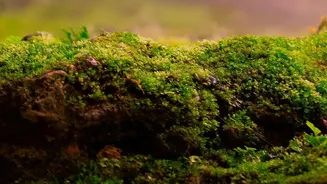
Not all moss is the same, and selecting the right type is key to a thriving indoor garden. Mosses are generally categorised by their growth habits. Pleurocarpous mosses, like Sheet Moss (Hypnum), grow in flat, spreading carpets. This makes them perfect for creating a lush ground cover that unifies the look of your garden. Acrocarpous mosses, such as Cushion Moss (Leucobryum) and Mood Moss (Dicranum), grow in upright, dense clumps or mounds. These are excellent for adding texture and creating the appearance of rolling hills or tiny shrubs. For beginners, Sheet Moss is often the most forgiving as it tolerates a range of light and moisture conditions. If you want a completely maintenance-free option, preserved moss offers the same green look without any need for water or light.
Gathering Your Materials
Creating a moss garden is an accessible project that doesn't require many specialised tools. You will need a suitable container, which can be anything from a glass jar or bowl to a wide, shallow dish. Glass containers are popular because they trap humidity, creating a self-sustaining ecosystem. You will also need a few essential layers for drainage and health. Start with a base of small pebbles or gravel. On top of that, add a thin layer of activated charcoal, which is crucial for filtering impurities and keeping the environment fresh, especially in a closed terrarium. The final layer is your substrate, which can be a simple potting soil without added fertilisers or a specialised peat moss mix.
A Step-by-Step Guide to Creation
Assembling your moss garden is a simple, meditative process. First, thoroughly clean your chosen container. Begin by adding about an inch of gravel for drainage, followed by a thin layer of activated charcoal. Next, add a layer of moistened potting soil, shaping it to create an interesting terrain with small hills and valleys if you wish. Now for the main event: the moss. Gently press your chosen moss onto the soil surface, ensuring good contact but without burying it. You can use different types together to create varied textures. Use small scissors to trim any pieces that don't fit. Once everything is in place, you can add small decorative elements like stones or tiny pieces of driftwood to complete your miniature landscape.
Caring for Your Green Oasis
The most critical part of moss care is maintaining the right moisture level. Moss should be kept consistently moist but never waterlogged. Misting with a spray bottle two to three times a week is usually sufficient. It's best to use filtered water, rainwater, or distilled water, as the chlorine and minerals in tap water can harm the moss over time. Moss thrives in indirect light, so a north facing window or a spot that receives diffused sunlight is ideal. Direct sun will quickly dry out and scorch your moss. If your garden is in a closed container, open the lid for an hour or so once a week to allow for air circulation and prevent mould.