


Makhan Mishri
This is perhaps the simplest and most significant offering for Janmashtami. Makhan Mishri is a divine mixture of freshly churned, unsalted white butter and rock sugar (mishri). It directly honours Lord Krishna's childhood tales, where he was fondly known
as 'Makhan Chor' or the butter thief. The offering symbolises purity, innocence, and the sweet love between the devotee and the divine. No cooking is required; it's a pure, heartfelt preparation that connects devotees to the playful, cherished stories of young Krishna. This bhog is traditionally offered at midnight, marking the moment of Krishna's birth, and is then shared as prasad among family and friends.
Mathura Ke Pede
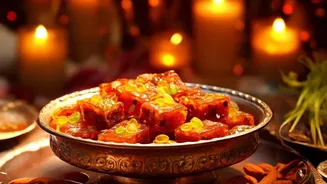
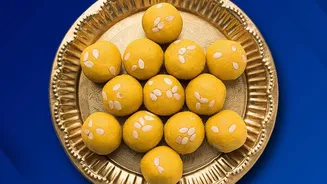
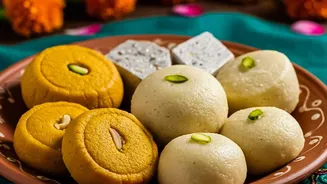
No Janmashtami celebration feels complete without Pede, and Mathura Ke Pede holds a special place. Originating from Mathura, the birthplace of Lord Krishna, this sweet carries a deep cultural connection. Unlike the common white peda, the Mathura version has a distinctive brownish colour, achieved by slowly roasting mawa (milk solids) until it caramelises. Flavoured with cardamom and sometimes a hint of nutmeg, these pedas have a uniquely rich, granular texture that melts in the mouth. Offering Mathura Pede is like presenting a taste of Krishna's own land, making it a particularly meaningful and popular bhog.
Kheer or Payasam
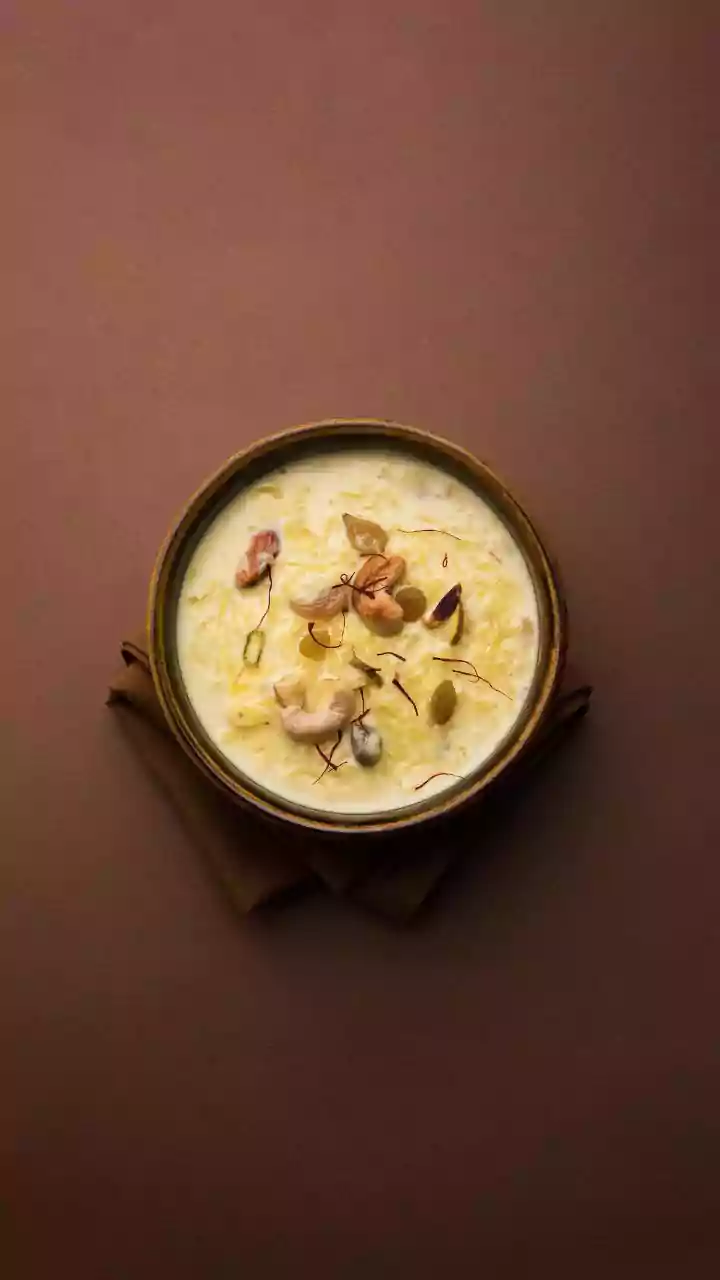
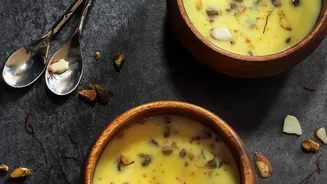
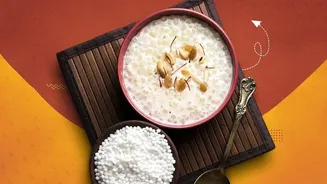
A comforting bowl of Kheer is a staple in almost every Indian festival, and Janmashtami is no exception. This classic rice pudding is made by slowly simmering rice in full-fat milk until it becomes thick, creamy, and fragrant. Sweetened with sugar and delicately flavoured with green cardamom powder and saffron, it is a symbol of abundance and nurturing. Variations are plenty, with some using makhana (foxnuts) instead of rice, which is ideal for those who are fasting. Garnished with sliced almonds, cashews, and raisins, this wholesome dessert is a heartwarming offering that is believed to bring joy to Lord Krishna.
Rabri
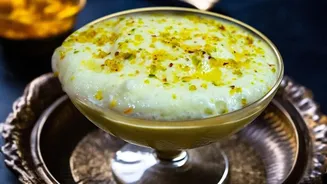
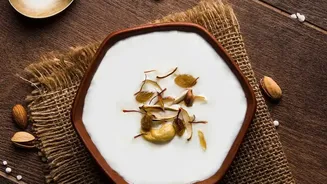
For those who appreciate the pure, concentrated flavour of milk, Rabri is an unparalleled delight. This luscious dessert is made by simmering full-fat milk in a heavy-bottomed pan for an extended period, allowing it to reduce and thicken. As layers of cream (malai) form on the surface, they are carefully scraped and pushed to the sides of the pan. In the end, these creamy layers are mixed back into the thickened, sweetened milk. Infused with saffron and cardamom, Rabri is a rich, decadent treat that represents the sweetness of devotion. Its creamy, layered texture makes it a truly special bhog for the festive occasion.
Panchamrit
While more of a sacred drink than a dessert, Panchamrit is an essential part of Janmashtami rituals. The name translates to 'five nectars', and it is a holy concoction made from five pure ingredients: raw milk, curd (yogurt), honey, ghee (clarified butter), and sugar. Each ingredient holds symbolic meaning—milk for purity, curd for prosperity, honey for unity, ghee for strength, and sugar for the sweetness of life. This uncooked mixture is used for the 'abhishek' or the ritual bathing of the idol of baby Krishna at midnight. Afterwards, it is distributed among devotees as prasad, a blessed offering that nourishes both body and soul.