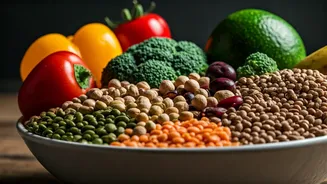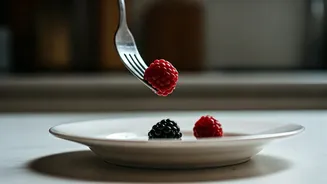






What is Slow Eating?
Slow eating, often linked with mindful eating, is the practice of consuming food at a relaxed pace, paying full attention to the experience. It’s the opposite of shoveling down a meal while scrolling through your phone or answering emails. [1, 19] The
goal is to be fully present, engaging your senses to notice the tastes, textures, and smells of your food. [11] This isn't about restrictive dieting; it’s about transforming your relationship with meals by giving your body and brain the time they need to communicate effectively. [13, 19]
The Brain-Gut Connection
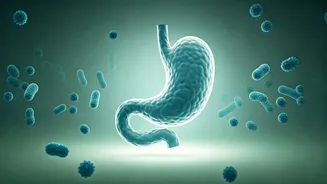
The most significant benefit of slow eating lies in the brain-gut connection. It takes approximately 20 minutes for your stomach to send signals to your brain that you're full. [2, 4] When you eat quickly, you can easily consume more calories than you need before this signal arrives, leading to overeating and discomfort. [7] Eating slowly gives this intricate hormonal system time to work. [8] It boosts the production of satiety hormones like PYY and GLP-1, which tell your brain you've had enough, and suppresses ghrelin, the hormone that signals hunger. [4, 23]
Beyond Weight Management
While slow eating is a powerful tool for weight management—studies show slow eaters are significantly less likely to be obese—the benefits don't stop there. [9, 22] Thorough chewing, a natural result of eating slowly, is the first step of digestion. [6] It breaks food down into smaller, more manageable pieces, reducing stress on your digestive system and helping to prevent issues like bloating, indigestion, and acid reflux. [5, 17] This improved digestion also means your body can absorb more nutrients from the food you eat. [5] Furthermore, taking time with your meals can reduce stress and increase enjoyment, making each meal a more satisfying and calming experience. [6]
How to Put It into Practice
Adopting a slow-eating habit can feel challenging, but small changes make a big difference. Start by setting aside a dedicated 20-30 minutes for your meals, free from distractions like TV or your phone. [12, 23] Try putting your utensils down between bites to create a natural pause. [1] Sip water throughout your meal, which also aids digestion and helps you feel full. [12] Focus on chewing each bite thoroughly—some experts suggest 15 to 30 chews depending on the food. [12, 15] Another simple trick is to try eating with your non-dominant hand or even chopsticks to naturally slow yourself down. [7, 15]
Making the Habit Stick
Like any new habit, consistency is key. Don't aim for perfection overnight. Start by practicing with just one meal a day. [10] If you eat with others, try to match the pace of the slowest eater at the table. [1] Be patient with yourself; it can take about a month of continuous effort to retrain your eating speed. [4] Remember that the goal is not to add another stressful rule to your life, but to cultivate a more mindful, enjoyable, and healthy approach to eating that can offer lifelong benefits.