






Beyond the ‘North Indian’ Monolith
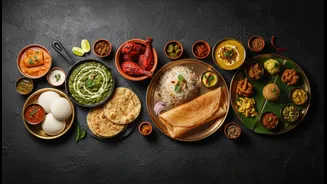
For decades, restaurant menus in major Indian cities felt remarkably similar, dominated by a greatest-hits list of dishes like butter chicken, paneer tikka, and biryani. While these classics remain cherished, they represent only a fraction of India's
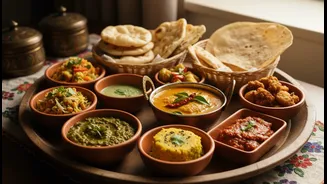
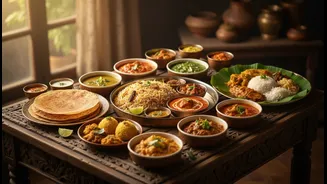
vast culinary landscape. Today, a significant shift is happening. The broad, often simplistic, categories of 'North Indian' or 'South Indian' are giving way to a more nuanced exploration of hyper-regional cuisines. This movement celebrates the distinct culinary traditions of smaller regions, specific communities, and even individual villages, bringing what was once exclusively home-cooked food into the spotlight of modern restaurants.
Culinary Archaeologists at Work
A new generation of Indian chefs are acting as culinary archaeologists, travelling across the country to unearth and document recipes at risk of being forgotten. These chefs are delving into historical texts, engaging with home cooks, and visiting royal kitchens that have been dormant for centuries to revive dishes and techniques from bygone eras. This revival is not just about nostalgia; it’s about preserving cultural identity. Pop-up events and special tasting menus curated by these culinary historians are reintroducing diners to dishes with deep stories, from the fiery curries of Goa to the subtle, steamed delicacies of Bengal. Each rediscovered recipe is treated like a time capsule, carrying the stories of communities and traditions.
The Ingredient Is the New Hero
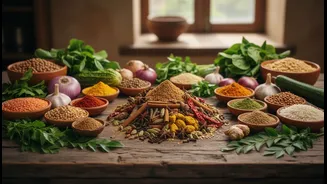
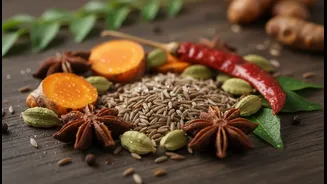
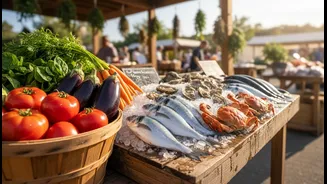
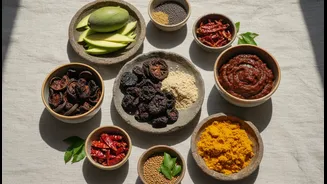
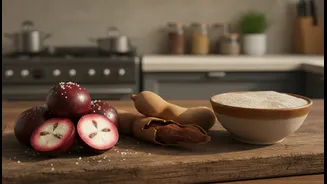
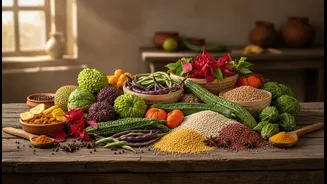
This culinary renaissance is also marked by a profound respect for the ingredient itself. Chefs are moving away from a standardised pantry and are instead championing indigenous and hyper-local produce. This includes reviving ancient grains like millets, foraging for unique local greens, and showcasing ingredients that were once disappearing from daily use. From the Gondhoraj lemon of West Bengal and Manipur's black rice to the tangy kokum from the Konkan coast, these native ingredients are now the stars of the menu. This focus on seasonality and local sourcing not only creates more sustainable kitchen practices but also introduces diners to a spectrum of flavours that are authentically Indian yet entirely new to many.
Global Techniques, Indian Soul
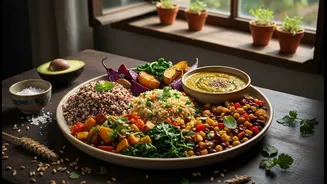
The innovation doesn't stop at ingredients. Many chefs are now applying modern and global culinary techniques to traditional Indian flavours, creating a genre often called 'Modern Indian'. This isn't fusion in the sense of diluting flavours, but rather using methods like sous-vide, fermentation, or artistic plating to elevate and reinterpret classic dishes. For example, a familiar street food snack might be deconstructed and presented with fine-dining precision, or a traditional curry might be enhanced with a technique borrowed from French cuisine. This approach respects the soul of the dish while presenting it in a new and exciting context, proving that tradition and innovation can coexist beautifully on the same plate.
A New, Curious Generation of Diners
This entire movement is supported by an increasingly adventurous Indian diner. A new generation of consumers, more well-travelled, digitally connected, and curious, is actively seeking out meals that tell a story. They are moving beyond just familiar comfort food and are eager to explore the nuances of their own country's culinary heritage. Social media platforms play a huge role, as visually stunning and unique dishes from regional pop-ups or innovative restaurants quickly capture the public's imagination, driving discovery and demand. This appetite for authenticity and new experiences is giving restaurants the confidence to move beyond safe, commercial menus and embrace true diversity.