


The Age of the Monsoon Trophy
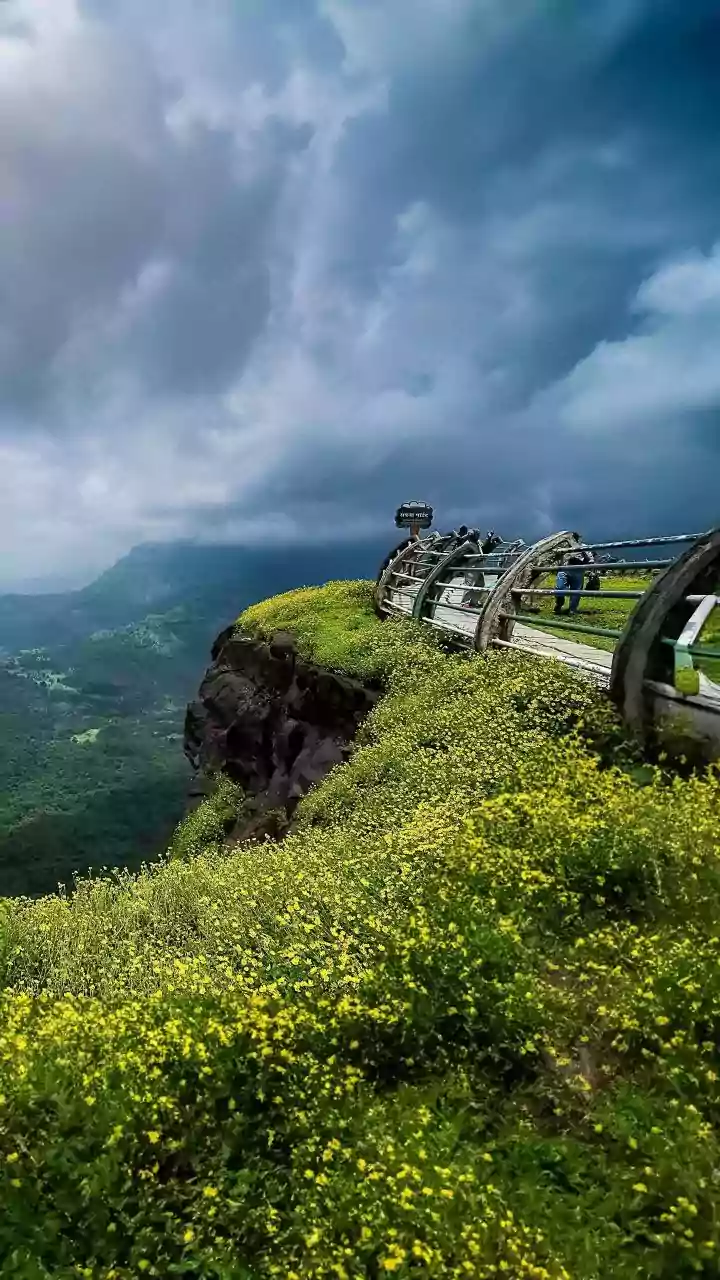
For years, monsoon travel in India was a competitive sport disguised as leisure. The goal was to collect trophies—not physical ones, but digital proof of your adventurous spirit. It was about the photo of your bike parked precariously on a misty cliff
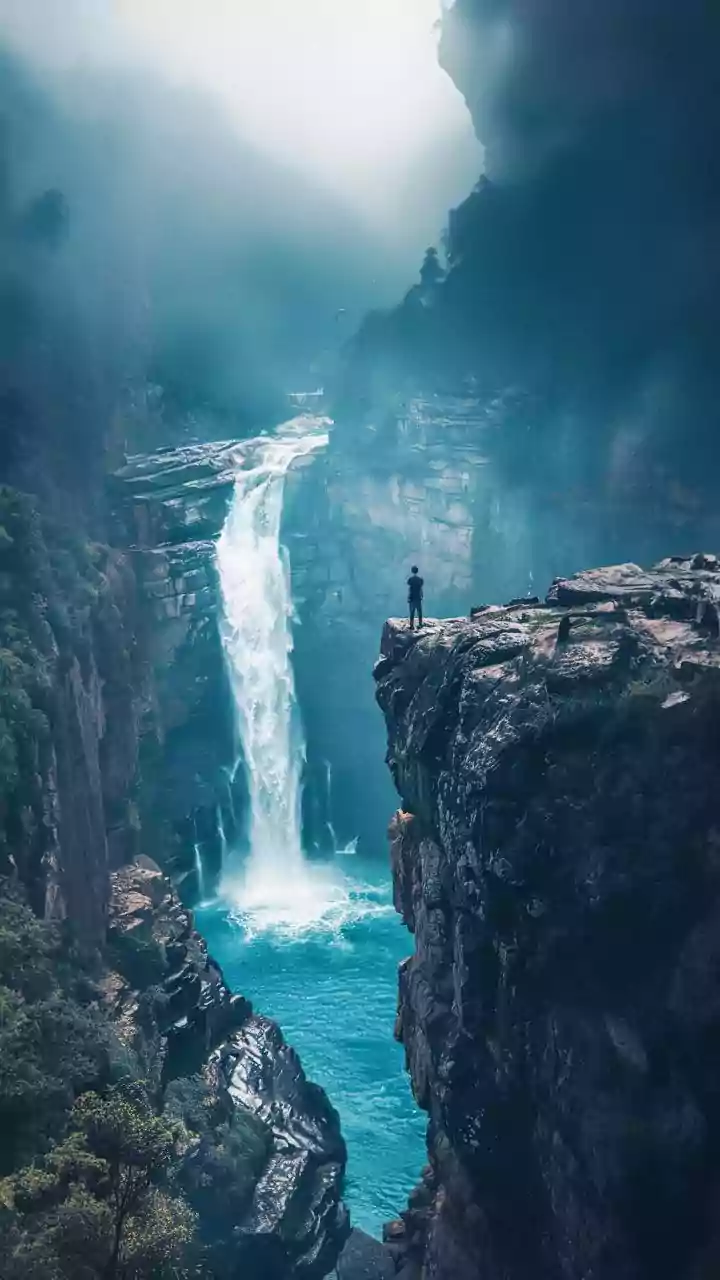
edge in the Ghats, the video of you standing perilously close to a roaring waterfall in Coorg, or the selfie with a steaming cup of chai as sheets of rain lashed down in Mussoorie. The currency was bragging rights. Who drove through the worst downpour? Who found the most 'untouched' spot (that was already geotagged a thousand times)? Social media feeds became a curated gallery of calculated risks and picturesque hardships. The implicit message was: 'I went, I saw, I conquered the monsoon.' This approach was about performance, a public declaration of one's ability to extract beauty from chaos and danger.
When Instagram Clashed With Reality
Then, reality began to push back. The very platforms that glorified this travel style also started revealing its ugly consequences. The 'hidden gem' waterfall became the site of a weekend traffic jam stretching for kilometres. The quaint roads of Lonavala and Mahabaleshwar turned into parking lots. More alarmingly, the chase for dramatic content started to look dangerously naive. News reports and viral videos of landslides in Himachal Pradesh and Uttarakhand, flash floods sweeping away vehicles, and tourists stranded for days became uncomfortably frequent. The romanticised image of battling the elements was replaced by the stark reality of overtourism straining fragile ecosystems and locals bearing the brunt of choked infrastructure. The 'brag' started to feel tone-deaf when set against images of rescue operations and environmental degradation. The curated perfection of Instagram could no longer hide the chaotic, and often tragic, reality.
From Conquest to Connection
This collision of digital fantasy and harsh reality has catalysed a profound shift in mindset. A new generation of travellers, and even veterans of the old school, are moving from a mindset of conquest to one of connection. The focus is slowly but surely shifting from what a destination can do for your social media feed to what you can do for the destination—or, at the very least, how you can minimise your negative impact. The conversation has evolved. Now, it's about checking weather advisories, respecting warnings from local authorities, and understanding that a mountain stream can become a deadly torrent in minutes. It's about choosing homestays that directly benefit the local community, packing reusable water bottles to reduce plastic waste, and accepting that sometimes the most responsible decision is to cancel a trip or stay put.
The New Currency of Travel
So what does a 'successful' monsoon trip look like now? The definition has expanded and matured. It's no longer just about the destination, but the intention. The new bragging right isn't a risky photo, but a story of genuine connection. It might be about spending a quiet afternoon reading a book in a homestay while the rain patters outside, learning a local recipe from your host, or discovering a small, family-run cafe away from the main tourist drag. The ultimate flex is no longer about proving how adventurous you are, but how mindful you can be. It’s about the joy of the journey itself—the conversations, the unplanned detours, the quiet moments of reflection. Sharing a picture of a book and a rainy window might not get as many 'likes' as a death-defying waterfall shot, but it tells a more honest and, increasingly, a more respected story. It says you travelled not to take, but to experience.