
The Power in Your Breath
When you feel stressed or exhausted, your body often enters a 'fight-or-flight' state. This can lead to shallow, rapid breathing from the chest, which only increases feelings of anxiety. Mindful breathing techniques help activate the parasympathetic nervous
system, also known as the 'rest-and-digest' response. This simple shift can slow your heart rate, lower blood pressure, and reduce levels of the stress hormone cortisol, promoting a sense of calm. Scientific research shows that even a few minutes of conscious breathing can improve your mood, boost focus, and decrease anxiety.
Setting Up for Success
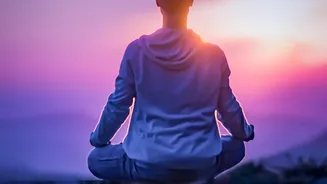
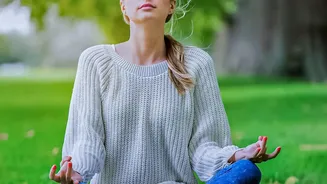
You don’t need any special equipment or a silent retreat to begin. All you need is a few minutes and a willingness to try. Find a comfortable position, either sitting upright in a chair with your feet on the floor or lying on your back. Allow your back to be straight but not stiff. Rest your hands in a relaxed position. You can close your eyes if it feels comfortable, or simply soften your gaze by looking downwards. The goal is to be comfortable and minimise distractions for just five minutes.
Practice One: Diaphragmatic 'Belly' Breathing
Many of us shallow-breathe from our chests, but deeper breathing comes from the diaphragm, the muscle below your lungs. To practice this, place one hand on your chest and the other on your stomach. Inhale slowly through your nose for a count of four, focusing on filling your belly with air like a balloon. You should feel the hand on your stomach rise, while the hand on your chest remains relatively still. Then, exhale slowly through your mouth, feeling your belly fall. This technique is incredibly grounding and helps ensure you are taking full, relaxing breaths.
Practice Two: Box Breathing
Also known as square breathing, this technique is used by athletes and even Navy SEALs to stay calm and focused under pressure. Its simplicity makes it easy to remember and practice anywhere. The pattern follows four equal parts, like the sides of a box. Inhale through your nose for a slow count of four. Hold your breath for a count of four. Exhale through your mouth for a count of four. Hold the exhale for a count of four. Repeat this cycle for a few minutes to feel your nervous system reset.
Practice Three: The 4-7-8 Relaxer
Developed by Dr. Andrew Weil, the 4-7-8 breathing technique is especially helpful for reducing anxiety and promoting sleep. To start, place the tip of your tongue against the tissue just behind your top front teeth. Exhale completely through your mouth, making a 'whoosh' sound. Close your mouth and inhale quietly through your nose for a count of four. Hold your breath for a count of seven. Exhale completely through your mouth with another 'whoosh' sound for a count of eight. This completes one breath. Repeat the cycle three more times.
Making it a Daily Habit
The key to seeing long-term benefits is consistency. Five minutes a day is more effective than one long session per week. Try 'habit stacking' by linking your breathing practice to something you already do daily. For example, practice for five minutes right after you wake up, before your morning cup of tea or coffee, during your lunch break, or just before you go to sleep. If you find your mind wandering during the practice, that’s completely normal. Gently acknowledge the thought and guide your attention back to the sensation of your breath.