


As temperatures drop, the craving for warm, hearty meals grows. But comfort food doesn't have to mean unhealthy. We explore seven traditional Indian dishes, backed by nutrition experts, that deliver on warmth, flavour, and wholesome goodness.
1. Bajra Khichdi
A classic
one-pot meal, khichdi is the ultimate comfort food. Dietitians often recommend swapping rice with bajra (pearl millet) during winter. Bajra is a warming grain that's packed with nutrients. It's a rich source of iron, magnesium, and phosphorus, which are essential for maintaining energy levels and overall health during colder months. This gluten-free grain is also high in fibre, which aids digestion and promotes a feeling of fullness, helping with weight management. The combination of bajra and moong dal creates a protein-rich meal that helps regulate blood sugar levels, making it an excellent choice for a nourishing and satisfying winter dinner.
2. Sarson ka Saag
No Indian winter is complete without this Punjabi delicacy. Made from mustard greens, spinach, and often bathua, Sarson ka Saag is a nutritional powerhouse. Dietitians highlight its high content of vitamins A, C, and K. These antioxidants help combat oxidative stress and boost the immune system, which is crucial for fending off seasonal illnesses. The dish is also an excellent source of dietary fibre, which promotes good gut health and smooth digestion. Low in fat and calories, it supports heart health by helping to lower cholesterol. Paired with makki ki roti, it becomes a well-rounded, wholesome meal.
3. Moong Dal Cheela
A light, savoury pancake made from moong dal (split green gram), this dish is both comforting and incredibly healthy. Moong dal is celebrated by nutrition experts for being an excellent source of plant-based protein and for being easy to digest. A diet rich in moong dal can aid in weight management, as the combination of protein and fibre keeps you feeling full and satisfied for longer. It is also packed with essential nutrients like potassium, magnesium, iron, and B vitamins that support heart health, boost immunity, and promote healthy skin.
4. Panjiri
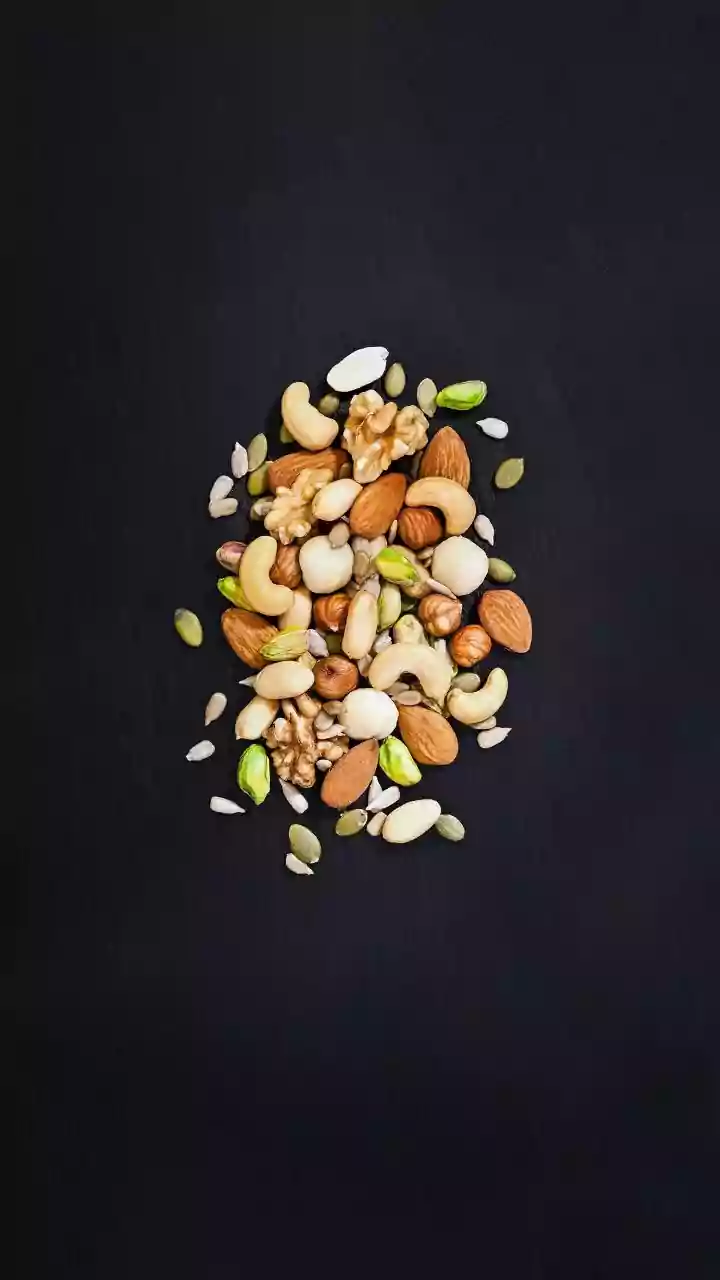
This traditional Punjabi sweet is more than just a dessert; it's a nutrient-dense supplement perfect for winter. Typically made from whole wheat flour, ghee, nuts, seeds, and jaggery, panjiri is designed to provide warmth and energy. Dietitians note its ability to boost immunity, thanks to the vitamins and minerals from ghee and nuts. The high fibre content from whole wheat flour and nuts aids digestion and helps prevent constipation. Often given to new mothers for recovery, its combination of healthy fats, protein, and complex carbohydrates makes it a powerful energy booster for anyone during the sluggish winter months.
5. Gond ke Laddoo
These energy dense sweet balls are a winter staple in many Indian homes for good reason. The star ingredient, gond (edible gum), is known for its warming properties and is believed to strengthen bones and lubricate joints, offering relief from winter aches. When combined with ghee, whole wheat flour, nuts, and jaggery, these laddoos become a powerhouse of nutrition. They provide sustained slow release energy making them an excellent snack to combat winter fatigue. Furthermore gond acts as a prebiotic which supports gut health and aids digestion.
6. Healthy Gajar ka Halwa
Gajar ka halwa is a beloved winter dessert, and with a few tweaks, it can be a wholesome treat. Carrots, the main ingredient, are rich in beta carotene (a form of Vitamin A), which is great for vision and immunity. To make it healthier than dietitians suggest replacing refined sugar with jaggery or palm jaggery. Jaggery is a natural sweetener that provides small amounts of minerals like iron. Cooking the carrots in milk adds calcium and protein. By using a moderate amount of ghee you incorporate healthy fats that help the body absorb the fat soluble vitamins from the carrots. Topping it with nuts adds a crunch of protein and healthy fats.
7. Vegetable Pulao
A fragrant and colourful vegetable pulao is a simple one pot meal that is both comforting and balanced. Using seasonal winter vegetables like peas carrots beans ensures you get a variety of vitamins minerals and fibre much as this dish provides sustained energy from the rice and is a great way to increase your vegetable intake much as the gentle spices used in pulao such as cloves and cinnamon have warming properties and can aid digestion much as served with a side of raita (yoghurt dip) it becomes a complete meal with an added dose of protein and probiotics for gut health.