




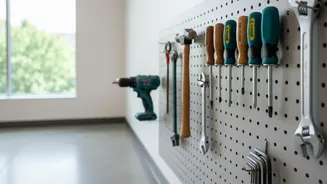

What is a Community Tool Bank?
Think of it as a library, but for tools instead of books. A community tool bank, or tool library, is a shared collection of equipment that residents of a building or neighbourhood can borrow. Instead of every household owning a ladder, a drill, and a plumbing
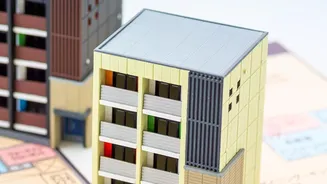
snake that are rarely used, the community collectively owns or manages a single set. This simple concept of collaborative consumption is a perfect fit for high-density apartment complexes where space is a premium and community living is part of the package. It operates on the principle that access is more important than ownership for items you only need occasionally.
The Obvious Wins: Saving Space and Money
The most immediate benefits are financial and practical. Many power tools and specialised pieces of equipment are expensive and are often used for a single project before gathering dust in a closet. A tool bank eliminates this waste, allowing residents to access high-quality tools for a nominal fee or even for free. This saves individuals hundreds or even thousands of rupees. Equally important in modern apartments is the space saving. Bulky items like step ladders, vacuum cleaners, or high-pressure washers don't have to compete for precious storage space in every single flat. A central, shared inventory frees up valuable real estate inside your home.
More Than Tools: Building Community Bonds
Beyond the practical advantages, a tool library can become a vibrant hub of community interaction. When a neighbour borrows a tool, it often starts a conversation. These interactions build relationships and strengthen the social fabric of the community. Furthermore, these spaces can host workshops on basic repairs, DIY skills, or home maintenance, empowering residents with new knowledge. This fosters a culture of self-reliance and mutual support, turning neighbours into a collaborative network. This sense of shared responsibility and engagement is a cornerstone of a thriving residential community.
Making It Work: The Logistics of Sharing
A successful tool bank needs a clear system. The first step is finding a secure, accessible location like a designated room in the clubhouse or a secure storage shed. Management can be handled by the Residents' Welfare Association (RWA) or a dedicated volunteer committee. For tracking, a simple logbook can work, but many communities now use apps or shared spreadsheets (like Google Sheets) to manage check-outs, returns, and inventory. Establishing clear rules is crucial: define borrowing periods, outline procedures for reporting damage, and decide on any fees for maintenance or deposits. Some communities may build a small fee into the monthly maintenance to cover upkeep and replacement of tools.
What Should Your Tool Bank Include?
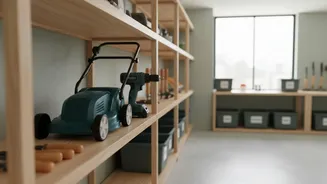
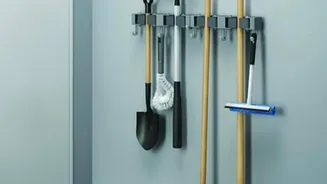
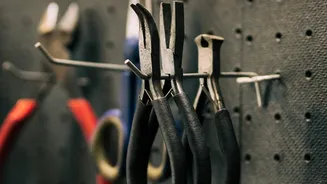
The initial inventory doesn't need to be exhaustive. It can start with donations from residents who have duplicate or unused tools. A good starter kit would include the basics that many people need but few own. Think of a reliable power drill with a full set of bits, a sturdy stepladder, a set of wrenches and screwdrivers, a hammer, pliers, and perhaps a high-pressure washer for cleaning balconies and vehicles. As the library grows, it could expand to include gardening tools if the community has green spaces, or even specialised equipment like a tile saw for renovations.
How to Start a Tool Bank in Your Community
Starting a tool library is a manageable community project. First, talk to your neighbours and the RWA to gauge interest. Form a small committee to lead the initiative. The next steps involve drafting a basic set of rules and deciding on a management system. You can then launch a drive for tool donations or propose using a small portion of the society's funds for an initial purchase. Promote the launch through the community's communication channels, like WhatsApp groups or notice boards. Start small, prove the concept's value, and the library will likely grow organically as more residents see its benefits firsthand.