



The Monsoon's Call to Adventure
The adventure in question? Monsoon trekking. For generations, people in rural and hilly regions have navigated these wet, wild landscapes. But now, it has evolved into a mainstream recreational trend. Unlike dry-season treks, which are about summit views
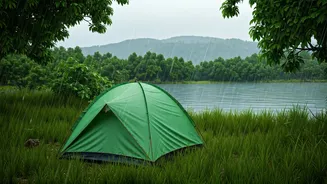
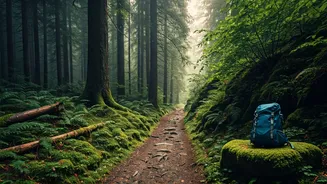
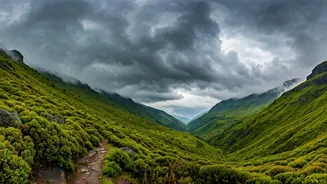
and clear skies, a monsoon trek is an immersive sensory experience. It's about walking through low-hanging clouds, witnessing waterfalls at their thunderous peak, and seeing landscapes explode into a thousand shades of green. The air is thick with the petrichor, the scent of wet earth, and the sounds of the forest are amplified by the rain. It’s not just a walk; it’s a full-body dialogue with the season.
Why Is It Trending Now?
Several factors are fuelling this green rush. Social media plays a huge role; feeds are filled with stunning images of trekkers standing before roaring waterfalls in the Sahyadris or enveloped by mist in Coorg. These visuals have replaced the fear of getting drenched with a powerful sense of FOMO (fear of missing out). Furthermore, the post-pandemic era has fostered a deep-seated craving for open spaces and authentic nature-based experiences. City dwellers, tired of being cooped up, are seeking out these accessible yet thrilling escapes. There's also a growing appreciation for hyperlocal tourism—exploring the beauty that lies just a few hours from home, which monsoon treks perfectly offer.
Where the Rain Beckons
While the Western Ghats are the epicentre of this trend, the magic isn't confined to one region. In Maharashtra, treks to Lohagad Fort, Rajmachi, and Harishchandragad offer a blend of history and dramatic scenery. In Karnataka, the trails around Kodagu (Coorg) and Agumbe become ethereal, earning the latter its nickname, 'The Cherrapunji of the South'. Further north, parts of the lower Himalayas in Himachal Pradesh and Uttarakhand offer gentler trails through pine forests and rhododendron groves that come alive in the rain. Even the Aravalli Range in Rajasthan sheds its arid image for a fleeting, lush green look, providing unique trekking opportunities near Udaipur and Mount Abu.
Gearing Up for the Green
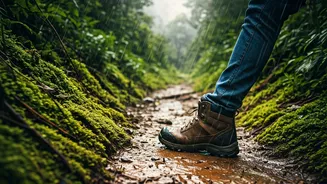
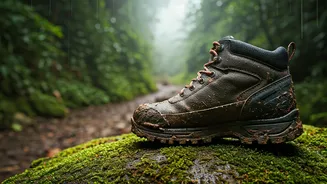
A good monsoon trek is as much about preparation as it is about spirit. The right gear is non-negotiable. Forget cotton; opt for quick-drying synthetic fabrics that won’t get heavy and cold when wet. A reliable waterproof jacket is your best friend. Most importantly, invest in a pair of trekking shoes with deep grooves for excellent grip on slippery, muddy trails. Pack everything inside your backpack in waterproof dry bags or, at a minimum, plastic bags. A basic first-aid kit, insect repellent, and some high-energy snacks are essential. For difficult or unfamiliar trails, hiring a local guide is not just recommended, it's a critical safety measure. They know the terrain, the weather patterns, and the safest routes.
Tread Lightly and Safely
The beauty of a monsoon trek comes with inherent risks. Trails can become treacherous, streams can swell into impassable rivers in minutes, and visibility can drop suddenly. Always check the weather forecast before you leave. Inform someone of your itinerary and expected return time. Be wary of slippery rocks near waterfalls and avoid trekking during heavy downpours or thunderstorms. Responsible trekking also means leaving no trace. The fragile ecosystem is at its most vibrant; it's our duty to protect it. Carry all your trash back with you and stick to the designated trails to avoid causing erosion.