





Myth: The 30-Minute 'Anabolic Window' is a Hard Rule
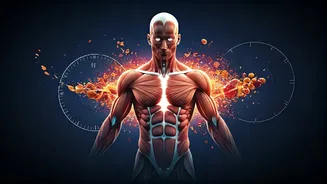
The most persistent myth in fitness nutrition is the 30-minute anabolic window — a supposedly magical, short period after exercise where your body is primed for muscle growth. [5] The story goes that if you don't consume protein immediately, your workout
is less effective. This belief was born from early research and amplified by supplement marketing. [12, 18] However, modern science shows this window is much larger than we thought. Research indicates that muscle protein synthesis (the process of repairing and building muscle) remains elevated for 24 to 48 hours after a workout. [5] This means the body is receptive to protein for a much longer duration. While consuming protein around your workout is beneficial, a meta-analysis in the Journal of the International Society of Sports Nutrition found that the specific timing had little effect on muscle growth when total daily protein intake was accounted for. [12, 14] Think of the 'window' as a barn door, not a tiny peephole; it's open for several hours, not just minutes. [13, 18]
Myth: You Can Only Absorb 30 Grams of Protein at Once
Another common belief is that the body can only absorb about 25-30 grams of protein in one meal, and any excess is wasted. This idea stems from early studies showing that around 20-25 grams of protein maximally stimulated muscle-protein synthesis (MPS) at that moment. [2] However, 'absorption' and 'utilisation for muscle building' are two different things. Your body is incredibly efficient and doesn't just waste nutrients. Based on the definition of absorption — the passage of nutrients from the gut into circulation — the amount of protein that can be absorbed is virtually unlimited. [4] While it's true that there might be a limit to how much protein can be used to spark MPS in a single, short-term burst, excess amino acids are not simply discarded. [2, 6] They can be used for other vital bodily functions, or the body can simply take longer to digest and absorb them, creating a sustained release of amino acids for later use. [6] The key takeaway from recent research is that total daily protein intake is the most critical factor. [7, 10]
Myth: You Must Have Protein Right Before Bed
The idea of consuming a slow-digesting protein like casein before sleep to prevent muscle breakdown overnight is popular, especially among bodybuilders. The theory is that it provides a steady stream of amino acids to your muscles while you sleep, promoting an 'anabolic' state. There is some science to support this; a pre-sleep protein meal can increase overnight muscle protein synthesis. However, whether this translates to significant long-term gains over and above just hitting your daily protein target is still debated. For most people, it's not a make-or-break habit. The benefits are likely more pronounced for elite athletes or individuals on a strict, high-level training regimen. If your total daily protein intake is sufficient and spread reasonably throughout the day, a specific pre-bed shake isn't essential for progress. It falls into the category of 'can be helpful,' but not 'absolutely necessary.'
Fact: Total Intake and Distribution are King
So if these rigid timing rules are myths, what actually matters? The overwhelming scientific consensus points to two main factors: total daily protein intake and sensible distribution. [14] For individuals looking to build muscle, the recommendation is typically around 1.6 to 2.2 grams of protein per kilogram of body weight per day. [16] Hitting this overall goal is far more important than stressing about specific timing. [1, 9] The second-most important factor is spreading this intake out across the day. Instead of one or two huge protein meals and then nothing, aiming for 3-5 meals or snacks containing a good dose of protein (e.g., 20-40g) is considered effective. [13] This approach ensures your muscles have a consistent supply of amino acids for repair and growth throughout the day. This doesn't require a stopwatch, just a mindful approach to including a quality protein source at each of your main meals.