
More Than Just Yoga
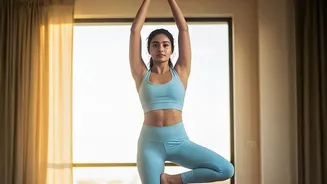
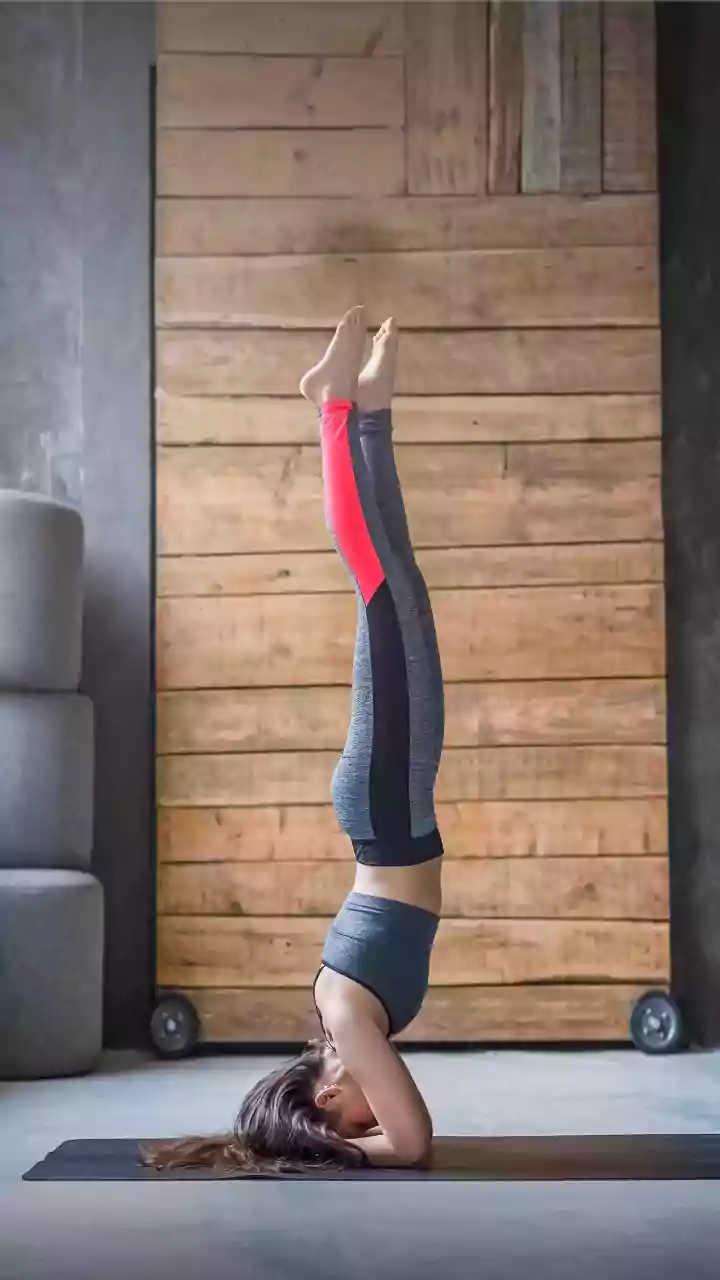
While yoga has become a global wellness staple, India's younger generation is digging deeper into the nation's physical culture. They are rediscovering and popularising a host of traditional practices that have been waiting in the wings. This isn't about
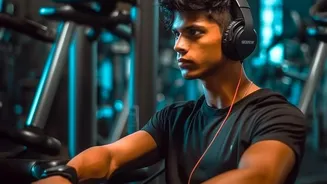
replacing the gym; it's about augmenting it. The goal is a hybrid approach, where a session of lifting weights might be complemented by training in an ancient martial art the next day. This shift reflects a broader desire for functional strength, mental discipline, and a meaningful connection to Indian heritage.
The Rise of the Warrior Arts
At the forefront of this revival is Kalaripayattu, a martial art from Kerala often cited as one of the oldest in the world. Its dynamic, flowing movements, which include kicks, jumps, and weapon training, offer a comprehensive full-body workout that builds strength, flexibility, and agility all at once. Practitioners report not only improved physical fitness but also enhanced mental focus and stress reduction. The appeal for Gen Z lies in its holistic nature; it’s a discipline that trains the mind as much as the body, offering a profound sense of cultural connection alongside physical benefits.
Swinging the Gada: Ancient Strength for Modern Times
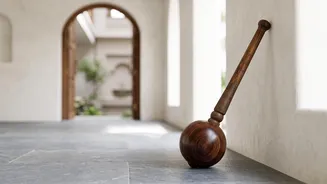
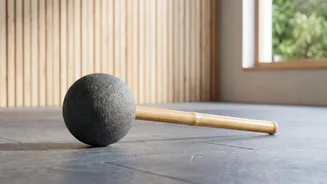
Another practice gaining traction is Gada, or mace training. Historically wielded by ancient Indian warriors and wrestlers, the Gada is a simple but formidable tool: a heavy sphere attached to a long handle. Swinging the Gada is a powerful exercise for developing grip strength, a stable core, and powerful shoulders. Unlike isolated gym exercises, Gada movements are multi-planar and engage the entire body in a coordinated flow. Fitness influencers and modern trainers are now popularising the mace, framing it as an effective tool for building real-world, functional power that machines often can't replicate.
The Digital Akhada and Cultural Pride
So, why is this happening now? A major catalyst is social media. Instagram Reels and YouTube channels have become digital 'akhadas' where trainers and enthusiasts showcase these art forms to a massive audience, demystifying them and making them accessible. For a generation navigating a globalised world, these practices also offer a tangible link to their cultural identity. Government initiatives like the Khelo India programme, which includes traditional sports like Mallakhamb and Kalaripayattu, have also boosted their visibility and legitimacy on a national stage.
The Best of Both Worlds
The key to this trend is integration, not replacement. A young fitness enthusiast's week might include two days of strength training at a conventional gym, a day dedicated to running, and two days of Kalaripayattu or Gada practice. This hybrid model allows them to build a broad base of physical attributes—power from lifting, endurance from cardio, and the unique combination of flexibility, coordination, and mental fortitude from traditional disciplines. This approach reflects a mature understanding of fitness, viewing it as a personal journey that values overall well-being—physical, mental, and cultural—over narrow aesthetic goals.