





Your Digital Umbrella: Essential Apps
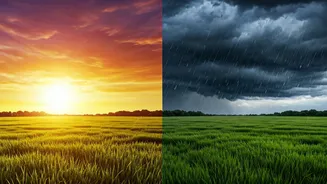
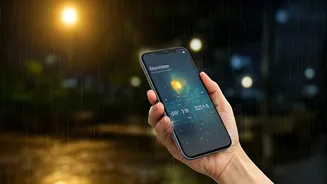
Technology is your first line of defence against unexpected downpours and traffic chaos. For weather forecasts, apps like AccuWeather, known for its minute-by-minute precipitation updates, and The Weather Channel are reliable choices. [24] WeatherBug
is also a strong option, particularly for its real-time lightning alerts, which are crucial during monsoon storms. [21] For official government updates, the 'Mausam' app by the India Meteorological Department (IMD) provides forecasts and warnings directly from the source. [26] When it comes to navigating waterlogged streets, traffic apps are indispensable. Google Maps provides real-time traffic data, but specialised apps like Weather on the Way are designed for drivers, showing route-specific weather conditions to help you avoid storms on your commute. [25] Staying informed about developing weather patterns can make the difference between a smooth journey and being stranded.
Fortify Your Home Against the Elements
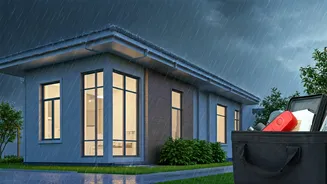
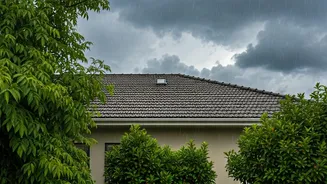
Before the heaviest rains arrive, a home check-up is essential. Inspect your walls and roof for any cracks and apply a waterproof sealant to prevent seepage and long-term structural damage. [5, 10] Ensure your terrace and balcony drains, as well as outdoor gutters, are clear of leaves and debris to prevent water from overflowing into your home. [2] Inside, protect your belongings from moisture damage. Wooden furniture can swell in high humidity, so it's wise to move it a few inches away from damp walls and apply a protective coat of varnish. [7, 14] Place absorbent doormats at entrances to keep muddy water from being tracked inside. [10] It's also a good practice to elevate electrical appliances and extension cords off the floor to protect them from potential water entry. [2]
Prioritise Health and Hygiene
The monsoon season often brings a spike in illnesses. Mosquito-borne diseases like dengue and malaria are common, as stagnant water provides a perfect breeding ground for mosquitoes. [3] Use mosquito repellents, wear long-sleeved clothing, and ensure there's no standing water in or around your home in coolers, plant trays, or discarded containers. [4, 6] Water-borne diseases are another major concern. Always drink boiled or purified water and be wary of street food, which can be easily contaminated. [8, 12, 13] High humidity can also lead to fungal skin infections, so it's important to keep your skin dry and change out of wet clothes as soon as possible. [4, 9] Boost your immunity by eating a healthy diet rich in Vitamin C, getting enough rest, and exercising regularly. [3, 6]
Create a Monsoon Emergency Kit
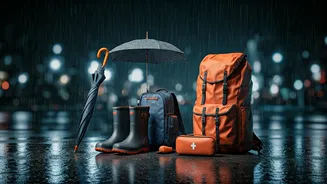
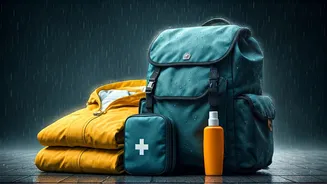
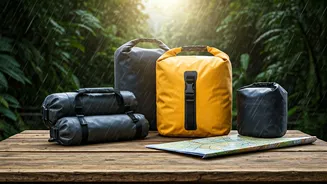
Being prepared for power cuts or getting temporarily stuck due to flooding is a smart move. Assemble a simple emergency kit that is easily accessible. This should include a flashlight with extra batteries, a power bank for your mobile phone, and a well-stocked first-aid kit. [11] Your medical kit should contain basics like bandages, antiseptic solution, pain relievers, and oral rehydration salts (ORS). [4, 11] Keeping a few non-perishable snacks and bottled water on hand is also a good idea. Finally, save a list of emergency contact numbers—including local disaster management services, your doctor, and the nearest hospital—on your phone and also as a physical copy in your kit. [11]