


The Great Accompaniment Debate
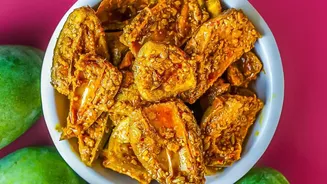
The choice between curd (dahi) and pickle (achaar) isn't just about taste; it’s about culinary balance. Achar, with its spicy and sour notes, is designed to liven things up. It can cut through richness and add a much-needed punch to simpler preparations.
Curd, on the other hand, is the soothing counterpart. Its cooling properties can temper heat, and its creamy texture complements the soft consistency of khichdi, making the meal feel even more comforting and easier to digest. The 'right' choice often depends on the type of khichdi you're making and what your palate craves.
When to Choose Curd
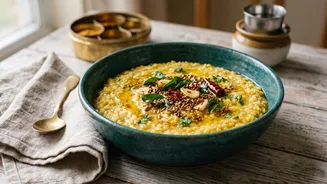
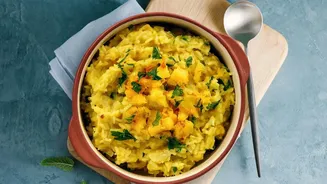
A simple, unadorned Moong Dal Khichdi is the perfect canvas for plain curd or a lightly seasoned raita. This type of khichdi, often hailed as a detox meal in Ayurveda, is light on the stomach and subtly flavoured. Adding curd enhances its gentle nature, providing probiotics that support gut health. The pairing works because it maintains the meal's comforting and restorative qualities. A spicy pickle might overwhelm the delicate balance of a plain khichdi. However, Ayurvedic principles sometimes advise against combining lentils and yogurt, especially for those recovering from illness, suggesting this pairing is best for those with robust digestion.
When Pickle is the Perfect Partner
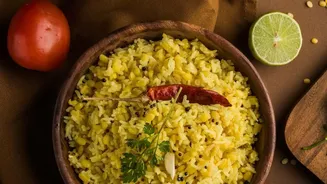
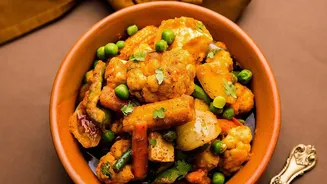
Spicier, more robust khichdi variations cry out for the sharp, complex flavours of a good pickle. Consider a Masala Khichdi, loaded with vegetables and aromatic spices. Here, a tangy mango or lime pickle doesn't just complement the dish—it elevates it. The pickle's assertive taste can stand up to the spices in the khichdi, creating a vibrant explosion of flavour. Similarly, rustic versions made with grains like bajra (pearl millet), popular in Rajasthan, have an earthy flavour that is beautifully enhanced by a sharp, spicy pickle. The saying 'khichdi ke chaar yaar'—ghee, papad, dahi, achaar (khichdi's four friends)—acknowledges pickle as a fundamental component of the experience.
Regional Pairings Beyond the Basics
Across India, regional traditions offer their own unique answers. In Gujarat, Vaghareli Khichdi—a flavourful version tempered with spices—is almost always served with kadhi, a tangy and slightly sweet yogurt-based soup. This pairing combines the best of both worlds: the cooling nature of curd presented in a flavourful, soupy form. In Bengal, the beloved Bhoger Khichuri, a festive dish made with roasted moong dal and fragrant gobindobhog rice, is rarely served with just curd or pickle. Instead, it comes with an array of accompaniments like fried eggplant (begun bhaja), crispy fried potatoes (aloo bhaja), and a mixed vegetable medley called labra, creating a symphony of textures and tastes.
Don't Forget the Other Friends
While curd and pickle are the main contenders, no discussion of khichdi accompaniments is complete without mentioning the other essentials. A generous spoonful of ghee is non-negotiable for most, adding richness and aroma. Crispy, crunchy papad offers a delightful textural contrast to the soft khichdi. And simple sides like a fresh kachumber salad, fried potatoes, or even an omelette can turn a simple bowl of khichdi into a complete and satisfying meal. These elements work together to round out the dish, ensuring every bite is interesting.