






The Psychology of Invisible Money
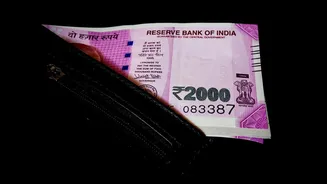
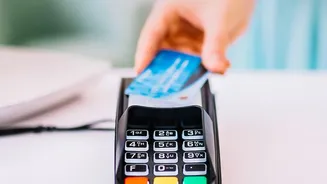
First, understand the opponent. Research shows that digital payments feel less real than handing over physical cash. This 'pain-free' experience reduces the natural hesitation that comes with spending, making you more prone to impulse buys. A study even
found that 74% of users reported spending more after adopting UPI because they didn't 'feel' the money leaving their account. The constant stream of ₹20 for chai, ₹100 for a quick snack, or ₹300 for a food order doesn't trigger the same mental alarm as breaking a ₹500 note. Acknowledging this psychological trick is the first step toward consciously managing your digital spends instead of letting them manage you.
Create a Dedicated 'Spending' Account
One of the most effective strategies is to create intentional friction. Open a secondary, low-maintenance bank account and link it to your most-used UPI app. At the beginning of each week or month, transfer a fixed discretionary budget—say, ₹5,000—from your main salary account into this one. Use this account exclusively for all non-essential wants: coffee, lunches out, entertainment, and online shopping. Once the balance runs out, your fun money is gone until the next top-up. This digital version of the 'envelope system' creates a hard stop, preventing your daily spends from quietly eating into your savings or essential bill payments.
Use UPI Lite for Daily Micro-Spends
Instead of cluttering your main bank statement with dozens of tiny transactions, leverage UPI Lite. This feature, available on most major UPI apps, acts as an on-device wallet. You can load a balance (up to ₹5,000) and make small payments (up to ₹1,000 per transaction) without entering a PIN. This not only makes transactions faster but also contains all your micro-spends within the wallet, giving you a clean, consolidated view of where your small cash is going. It keeps your primary bank statement tidy and makes it easier to review your larger, more significant expenses.
Automate Tracking with Budgeting Apps
You don't have to track every rupee manually. Several budgeting apps are designed for the Indian market and can automatically track your spending. Apps like Jupiter Money, FinArt, Fi Money, and INDmoney can sync with your bank accounts or read transaction SMSes to categorise your spending automatically. They present your financial habits in easy-to-read charts, showing you exactly how much you're spending on food, transport, and shopping each month. Seeing a visual breakdown can be a powerful wake-up call, highlighting patterns you might not have noticed otherwise.
Conduct a Weekly Spending Review
Your UPI app's transaction history is a powerful, built-in budgeting tool. Set aside 15 minutes every Sunday to scroll through the past week's payments. Most apps like Google Pay and PhonePe already categorise your spends. Ask yourself: Where did most of my money go? Were these purchases needs or wants? This simple ritual builds financial awareness. It turns unconscious spending into a conscious review process, helping you identify triggers for impulse buying and areas where you can cut back without feeling deprived.
Implement a 'Cooling-Off' Period
For non-urgent online purchases, fight the impulse with a mandatory waiting period. When you see something you want to buy, add it to your cart but don't check out. Wait 24 or 48 hours. This 'cooling-off' period allows the initial emotional urge to fade, letting you re-evaluate the purchase with a clearer mind. More often than not, you'll realise you don't need the item as badly as you thought. You can also use this time to compare prices or find alternatives. To add another layer of friction, remove your saved card and UPI details from shopping apps, forcing you to enter them manually for each purchase.