


What Exactly Are Compression Bags?
At its core, a compression bag is a deceptively simple tool designed for one purpose: to remove excess air from soft, bulky items. Unlike regular packing cubes, which primarily help with organization, compression bags are all about maximizing space. They
are typically plastic or durable fabric pouches that you fill with clothing, seal, and then compress to force out the trapped air. This process makes bulky items like sweaters, jackets, and towels significantly more compact, allowing you to fit more into your luggage. They are particularly popular with travellers aiming to stick to a single carry-on bag, especially on budget airlines with strict size limits.
How Do They Work?
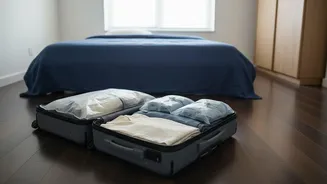
There are two main types of travel compression bags. The first, and most common for on-the-go use, is the roll-up bag. After filling it with clothes, you seal the top and then tightly roll the bag from the bottom up. This action pushes air out through a one-way valve system, flattening the contents. The second type is a vacuum-sealed bag, which requires a small, often portable, pump to suck the air out. While these offer maximum compression, they are sometimes considered better for long-term storage than for a multi-stop trip where you need to repack often. A popular hybrid is the compression packing cube, which uses a second zipper to squeeze the cube's contents, offering both organization and moderate compression without a pump.
The Big Question: Do They Halve Your Volume?
The claim that compression bags can slash volume by half is ambitious but not entirely unfounded. For very soft, air-filled items like puffer jackets, thick wool sweaters, and pillows, a volume reduction of 50% or even slightly more is achievable. Some tests have shown space savings of up to 60%. However, for everyday clothing like t-shirts, jeans, and cotton fabrics, a more realistic expectation is a 20-30% reduction in bulk. While perhaps not always cutting volume by a full 50%, the space saved is still significant. It can be the difference between easily zipping your carry-on shut or having to sit on it, and it often frees up enough room for an extra pair of shoes or souvenirs on the way home.
The Major Benefits for Carry-On Travel
For light travellers, the advantages are compelling. The most obvious benefit is the ability to fit more clothing into a small carry-on, helping to avoid checked bag fees. This is a game-changer for those travelling across different climates who might need to pack a mix of light and bulky gear. Beyond just fitting more, compression bags also provide excellent organization. You can group outfits by day or clothing type, making it easier to find what you need without unpacking your entire suitcase. They are also great for quarantining dirty laundry on the return journey, keeping it separate and compact.
The Downsides You Must Consider
Compression bags are not a perfect solution, and it’s important to understand the trade-offs. The primary drawback is wrinkles. Squeezing air out of clothes inevitably creases them, so these bags are not ideal for business shirts, linen, or other easily wrinkled fabrics. The second critical point is weight. Compression bags save volume, not weight. It can be very easy to pack so efficiently that your carry-on exceeds the airline's weight limit, resulting in unexpected fees at the gate. Always weigh your bag after packing. Finally, repacking can be a hassle, as you have to unseal, retrieve an item, and then re-compress the bag, which can be inconvenient for items you need to access frequently.
Pro Tips for Using Them Effectively
To get the most out of your compression bags, use them strategically. Reserve them for your bulkiest, most wrinkle-resistant items like jackets, sweaters, fleece, socks, and underwear. For more delicate items, consider using regular packing cubes. When packing, either fold or roll your clothes neatly to fill the bag evenly before sealing and compressing. Don't overstuff the bags, as this can strain the zippers and seals. Finally, think about your packing strategy like a game of Tetris: place the compressed, brick-like bags at the bottom of your suitcase to create a stable base, then fill in the gaps with other items.