


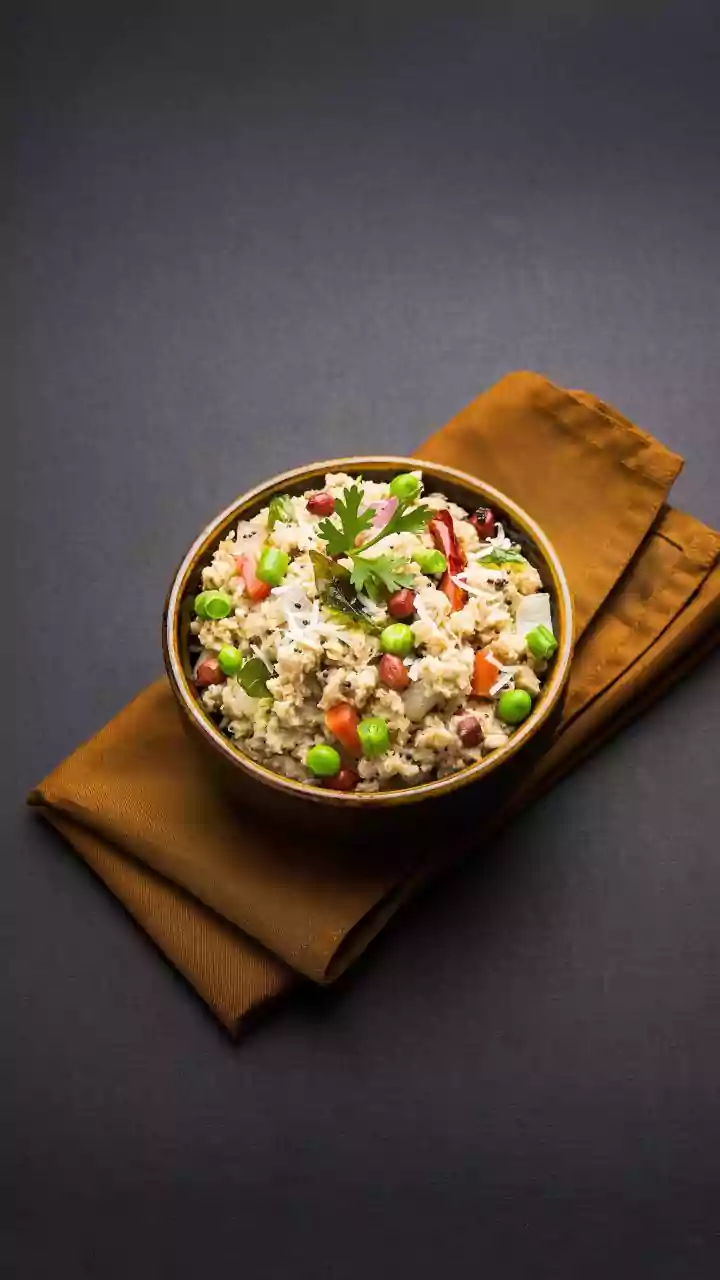




Craving a rich, satisfying bowl of soup but want to skip the heavy cream and butter? The secret to a hearty, creamy texture might already be in your pantry. Meet quinoa, the ancient seed ready to transform your lighter soups into filling meals.
The Nutritional Powerhouse in Your Pot
Before
it even begins to thicken a broth, quinoa loads your soup with impressive nutritional benefits. Unlike many grains, quinoa is a complete protein, meaning it contains all nine essential amino acids. A single cooked cup offers about 8 grams of protein and 5 grams of fiber. This powerful combination of protein and fiber is the key to what makes a meal truly satisfying, helping you feel full and nourished long after you have finished your bowl. By adding quinoa, you are not just adding substance; you are turning a simple vegetable soup into a balanced, protein-rich meal that can stand on its own.
How Quinoa Creates Creaminess
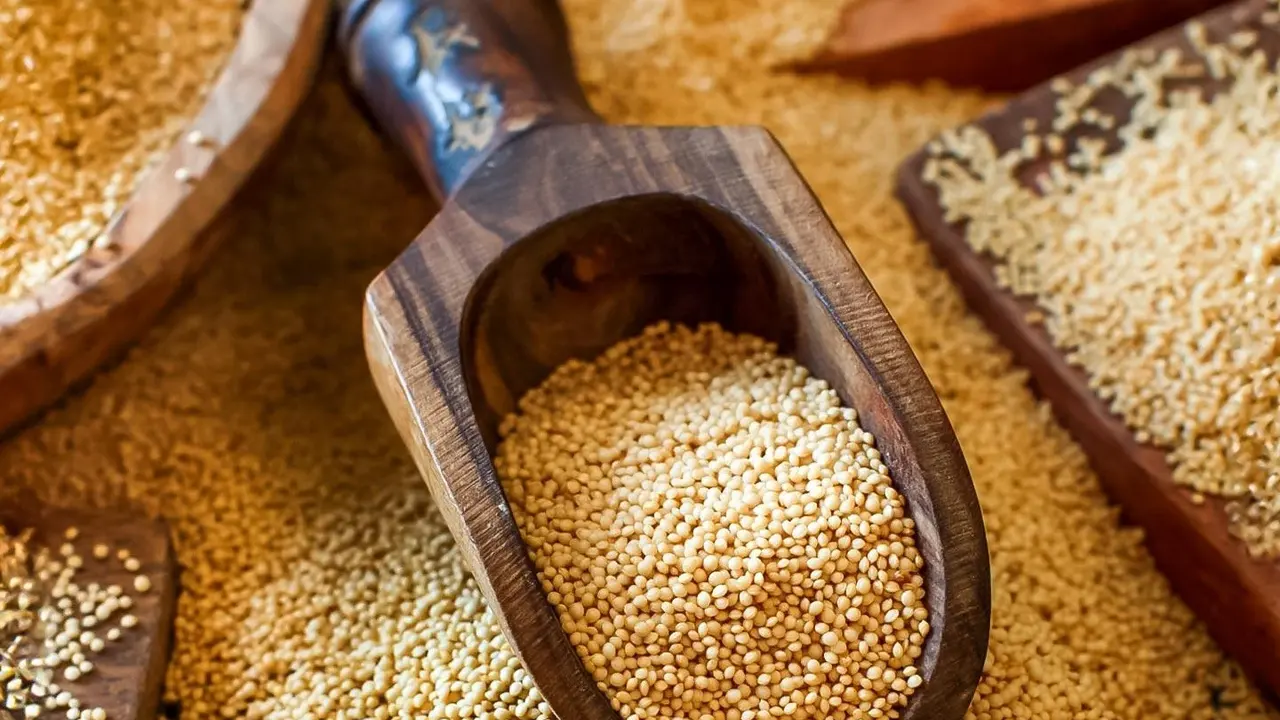
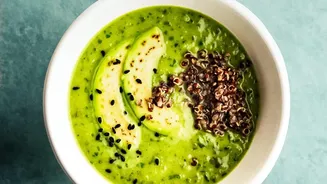
The magic of using quinoa as a thickener lies in its starch. As uncooked quinoa simmers in your soup, it absorbs the liquid and releases starches, which naturally thicken the broth. This process creates a heartier consistency without the need for high-fat dairy. For a truly creamy, smooth texture, you can purée the soup after the quinoa has cooked completely. By blending some or all of the soup, the cooked quinoa breaks down and emulsifies with the liquid, resulting in a velvety finish similar to what you would expect from potatoes or cream. This technique works wonderfully in vegetable purées, such as butternut squash or tomato soup, lending a rich body that is entirely plant-based.
Mastering the Technique for Perfect Texture
How you add quinoa to your soup depends on the texture you want to achieve. For a thicker, stew-like consistency where the quinoa is integrated into the broth, add rinsed, uncooked quinoa directly to the pot. A good rule of thumb is to use about a quarter-cup of dry quinoa for every four cups of broth, letting it simmer for at least 15-20 minutes until tender. It is crucial to rinse quinoa under cool water before cooking to remove its natural coating, called saponin, which can impart a bitter or soapy taste. If you prefer distinct, fluffy grains with a slight chew, it is best to cook the quinoa separately and add it to individual bowls just before serving. This prevents the grains from becoming mushy, especially if you plan on storing leftovers, as quinoa will continue to absorb liquid over time.
Ideal Soups and Flavor Pairings
Quinoa’s subtle, nutty flavor makes it incredibly versatile. It shines in earthy and savory soups. Think of a robust black bean soup, a Southwestern-style chicken and vegetable soup, or an Italian-inspired tomato and herb broth. It is a fantastic gluten-free substitute for pasta in a classic minestrone or for barley in a mushroom soup, adding a similar heft and texture. Quinoa pairs beautifully with hearty vegetables like carrots, celery, and dark leafy greens such as spinach or kale. For an extra layer of flavor, try toasting the rinsed quinoa in a dry pot for a few minutes before adding your liquid; this small step enhances its natural nuttiness and adds depth to the entire dish.