



A Feast Beyond the Fast
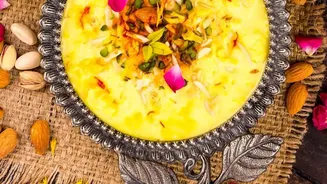
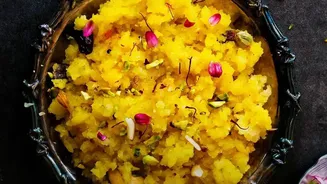
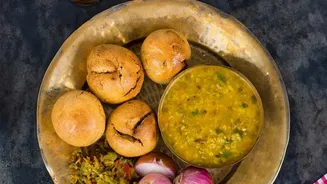
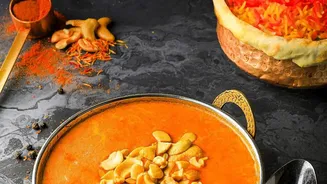
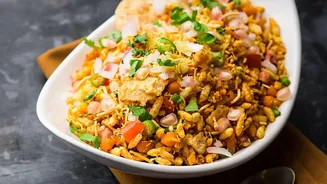
Navratri's culinary landscape has transformed dramatically. While fasting, or 'vrat', remains central for many, the food itself has evolved from simple home-cooked meals to a gourmet experience. Restaurants now roll out extensive 'vrat-friendly' menus,
offering everything from innovative sabudana and kuttu flour dishes to elaborate thalis that respect traditional dietary rules. Dishes like farali dosa, samak rice pulao, and makhana kheer are becoming staples in these curated menus. This shift caters to a generation that seeks to honour tradition without sacrificing culinary exploration. Home chefs and cloud kitchens have also entered the fray, delivering specialized Navratri meal boxes that make observing the fast convenient for busy urban households.
Styling the Sacred Space
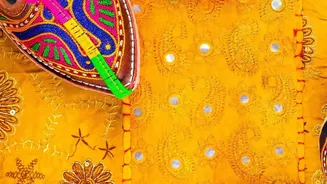
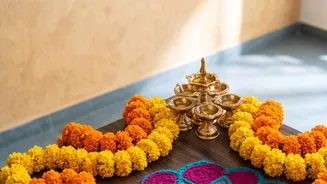
The festive spirit is increasingly reflected in home aesthetics, with Navratri decor becoming a significant trend. Beyond the traditional cleaning and setting up a simple pooja corner, there's a new emphasis on creating an immersive festive atmosphere. A popular trend is aligning home decor with the nine specific colours designated for each day of Navratri, using textiles like cushion covers, table runners, and throws to refresh the space daily. There's also a growing movement towards eco-friendly and sustainable decorations, such as clay diyas, bamboo lamps, and floral arrangements made with locally sourced marigolds and jasmine. The goal is to create a home that is not just guest-ready but is a personalized sanctuary of celebration, blending modern style with timeless devotional elements like brass accessories and warm lighting.
Journeys of Joy and Tradition
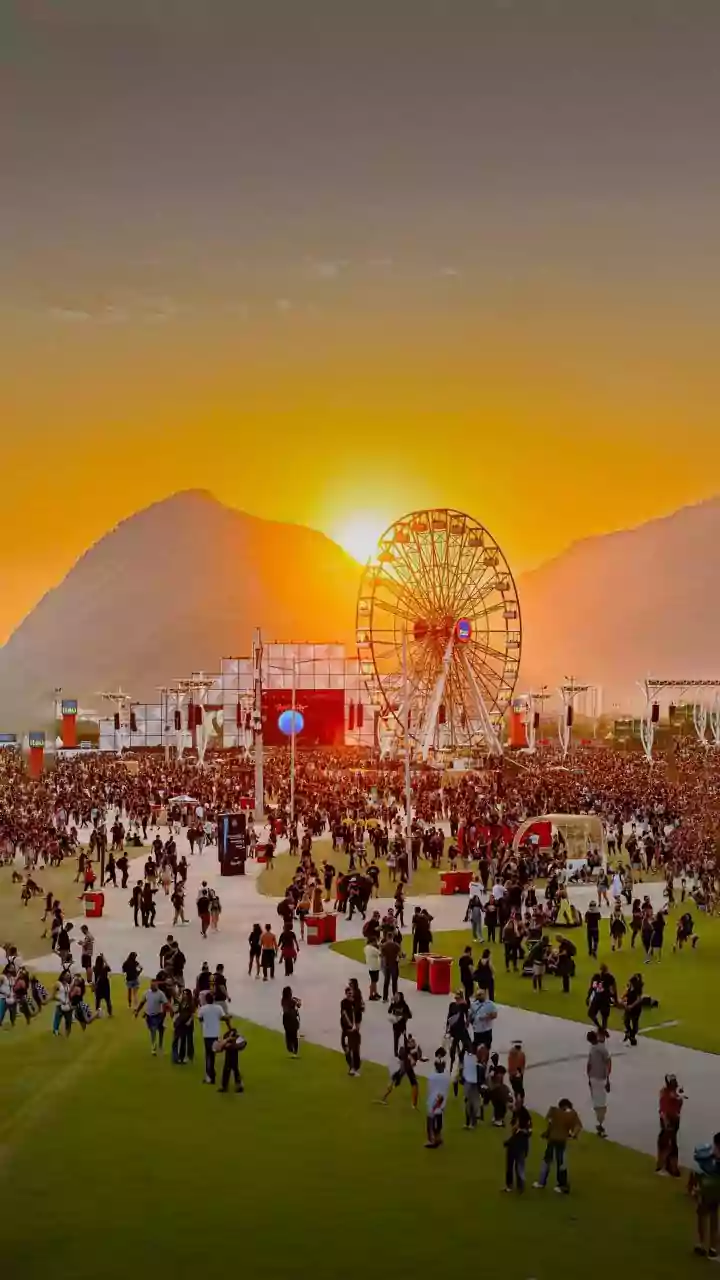
Navratri is no longer just a festival celebrated at home; it's a reason to travel. A form of cultural tourism has emerged, with people journeying to experience iconic regional celebrations. Gujarat, particularly Ahmedabad and Vadodara, is the epicenter for those wanting to immerse themselves in grand Garba and Dandiya Raas nights, a tradition now recognized by UNESCO. Simultaneously, the same festival period, celebrated as Durga Puja in West Bengal, draws travellers to Kolkata to witness the spectacular art of pandal-making. Beyond these major hubs, destinations like Mysore for its royal Dasara procession and even cities like Mumbai and Delhi offer a diverse mix of community events and cultural programs. This trend signifies a desire to connect with the festival's roots in an experiential way, turning a religious observance into a memorable travel opportunity.
The Modern Festive Economy
This evolution of Navratri is powered by a deeper cultural and economic shift. The festival has become a major driver for various sectors, including retail, hospitality, and food and beverage. The emphasis on new clothes, home decor, and dining out creates a significant surge in consumer spending. Modern celebrations are a blend of devotion and personal expression, often shared on social media, which in turn fuels the desire for new experiences. This fusion of tradition with modern lifestyle choices reflects a society that is finding new ways to connect with its heritage. Whether through a special meal, a beautifully decorated home, or a trip to a city known for its festive fervour, Indians are redefining what it means to celebrate Navratri today.