


Essential Flours and Grains
During Janmashtami, many devotees observe a fast (vrat) where regular grains like wheat and rice are avoided. Instead, special flours are used to prepare a variety of dishes. Stock up on buckwheat flour (kuttu ka atta), water chestnut flour (singhare
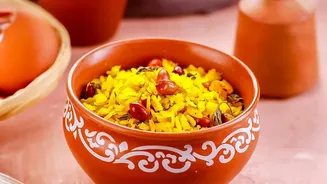
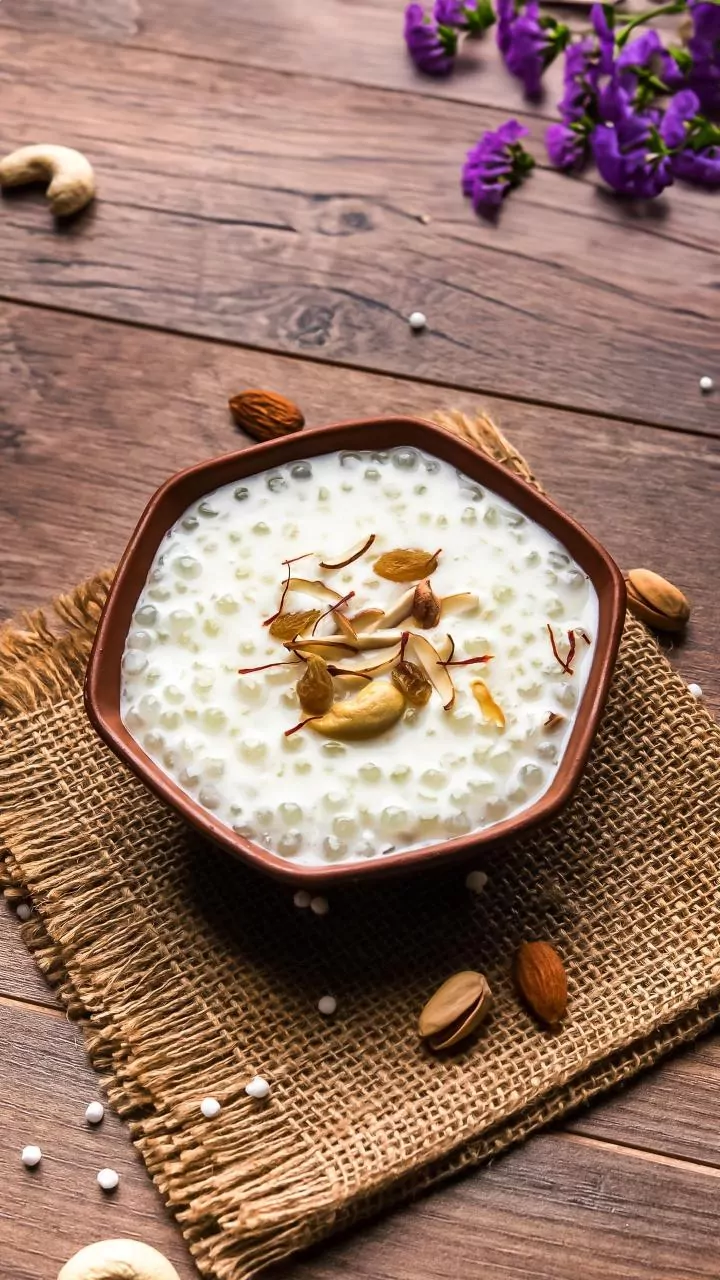
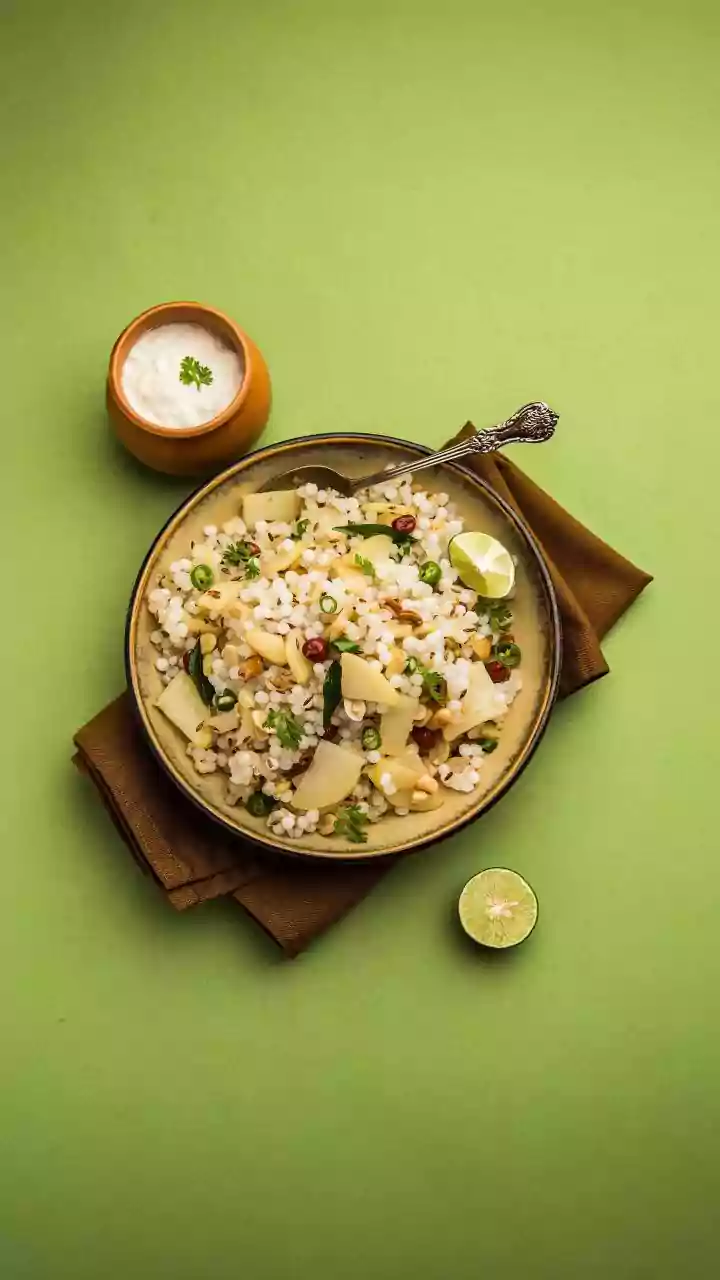
ka atta), and amaranth flour (rajgira ka atta). These are perfect for making puris, parathas, and cheelas. Tapioca pearls (sabudana) are another must-have for preparing the beloved Sabudana Khichdi, a light and popular fasting dish. Barnyard millet (samak rice) is also a great alternative to regular rice for pulao or kheer. Having these grains on hand will ensure you can create a wide range of satisfying and traditional vrat meals.
Dairy: The Heart of the Feast
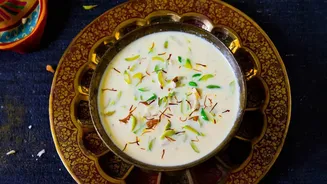
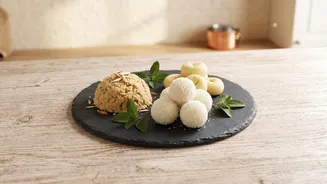
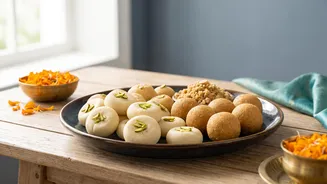
Lord Krishna's fondness for milk, butter, and other dairy products is legendary, making them central to Janmashtami celebrations. Ensure you have an ample supply of full-cream milk, which forms the base for countless sweets like Kheer and Peda. Fresh yoghurt (dahi) is essential, not only for serving alongside meals but also as a key ingredient in Panchamrit, the sacred five-ingredient offering. Ghee is indispensable for frying puris and roasting ingredients, imparting a rich, nutty aroma to dishes like Dhaniya Panjiri. Don't forget to procure some khoya (mawa) or milk powder to make rich, creamy sweets like pedas and barfis. And of course, fresh white butter is needed for making Makhan Mishri, Lord Krishna's favourite simple offering.
Sweeteners and Nuts for Prasad
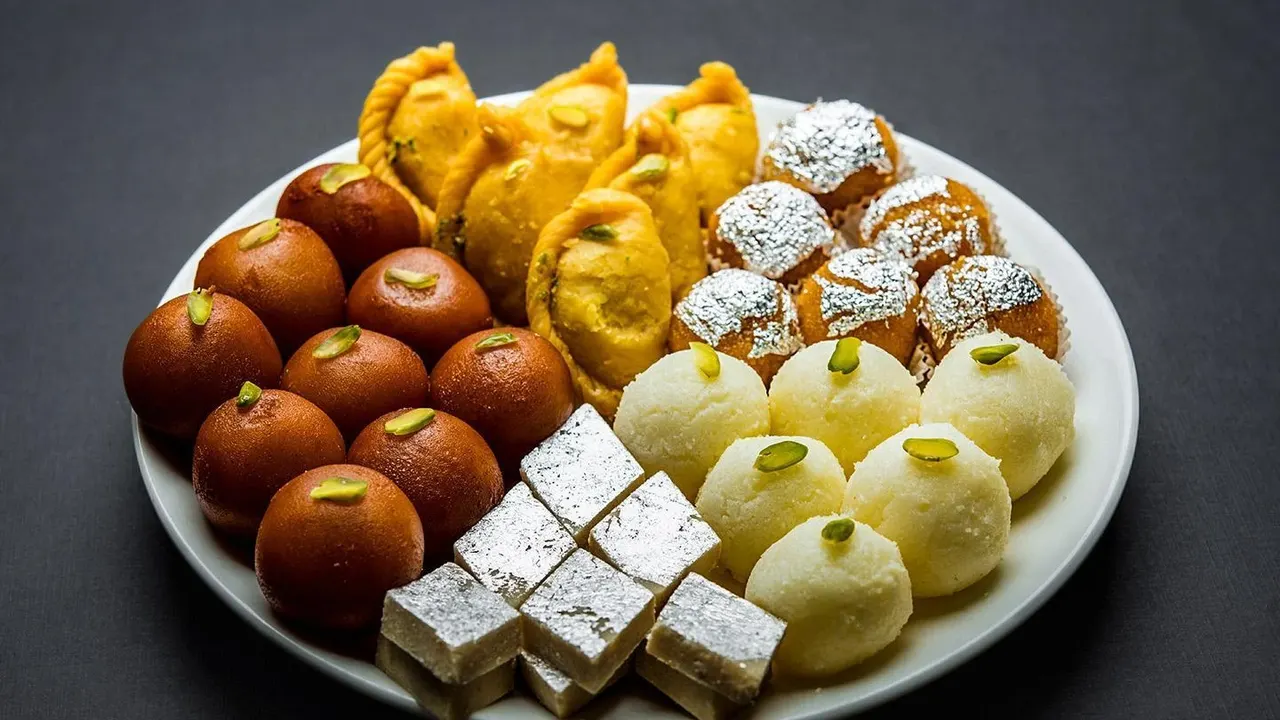
Sweets are an integral part of the 'bhog' (offering) made to Lord Krishna. Your pantry should be well-stocked with various sweeteners. While sugar is common, many traditional recipes also use jaggery (gur) for a more rustic flavour. Rock sugar (mishri) is specifically used for Makhan Mishri. A variety of nuts and dried fruits are also essential for adding richness and texture to prasad. Almonds, cashews, pistachios, and raisins are widely used in Panjiri and Kheer. Fox nuts (makhana) are particularly versatile; they can be roasted for a simple snack, added to kheer, or used to make the decadent Makhana Paag.
Spices for Fasting Foods
Fasting cuisine has its own set of permitted spices that add flavour without being overpowering. The most important of these is rock salt (sendha namak), which is used in place of regular table salt in all vrat preparations. Other key spices to have include cumin seeds (jeera), black pepper powder (kali mirch), green cardamom (elaichi) for flavouring sweets, and dried mango powder (amchoor). Fresh ginger and green chillies are also typically used to spice up savoury dishes like Sabudana Khichdi and vrat-friendly potato curries. It is a core tenet of sattvic cooking to avoid onion and garlic entirely in all Janmashtami preparations.
Fruits and Vegetables for Balance
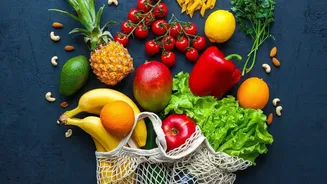
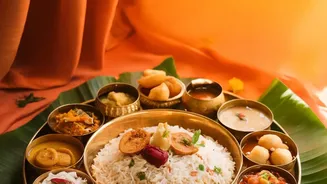
Fresh fruits are a significant part of both the offerings and the fasting diet. Bananas, apples, and pomegranates are popular choices. A bowl of mixed fruits not only adds colour and freshness to your vrat thali but also provides essential nutrients. For vegetables, the options are specific to fasting traditions. Potatoes are a staple, used in everything from simple stir-fries to puris. Sweet potatoes (shakarkandi), yams (jimikand), colocasia (arbi), and raw bananas are also commonly used. These vegetables provide sustained energy and can be prepared in various delicious ways, from simple boiled chaats to more elaborate vegetable dishes.